她的眉眼 依稀还能看出小时候的样子
“(I still could see what she was like as a kid.)”
THE DIALOGUE REEL
我与她再次相见
“(I saw her again.)”
她的眉眼 依稀还能看出 小时候 的样子
“(I still could see what she was like as a kid.)”
但我却觉得
“(But I felt she had changed.)”
“She looks familiar, but deep down, time has changed everything.”
In Chinese literary aesthetics, 'meiyan' (brows and eyes) represent the core essence of a person's countenance and emotional expression across time.
LEARNING CHUNKS & PARTICLES
can still vaguely discern / faintly recognize
A literary yet common spoken phrasing used when noticing subtle traces of the past in someone or something.
how [someone] looked in childhood
Used when comparing an adult's current appearance or mannerisms to their childhood self.
VOCABULARY & EXPRESSIONS
Parallel Spoken Cinema Scenes (语义近邻切片)
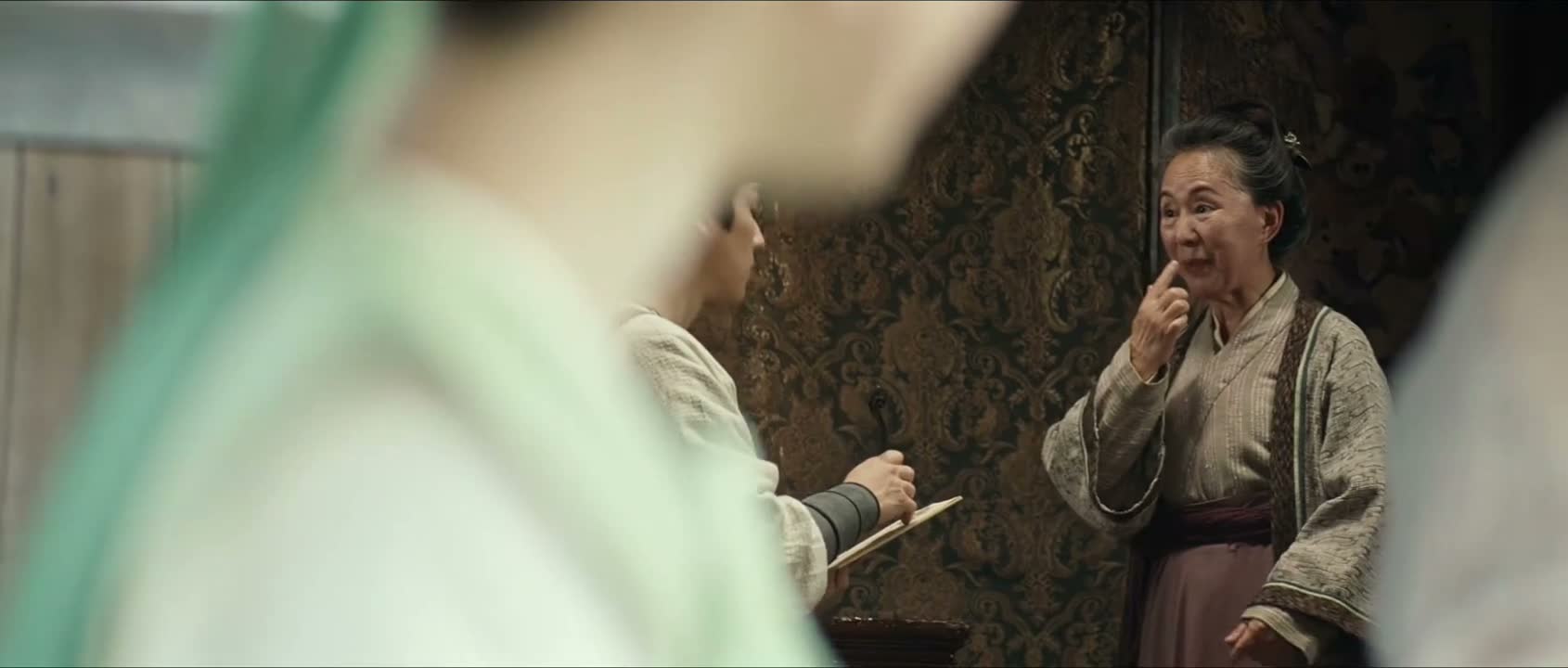
“- She had delicate features and an oval face. - My wife bought this for me.”

“Mei, yes, Mei, suddenly rushed out”

“Mei can't stay in the palace anymore.”

“Behind those shifty eyes, you're so loyal?”

“Her brows are still tight”

“I watched the two of you fall for each other.”