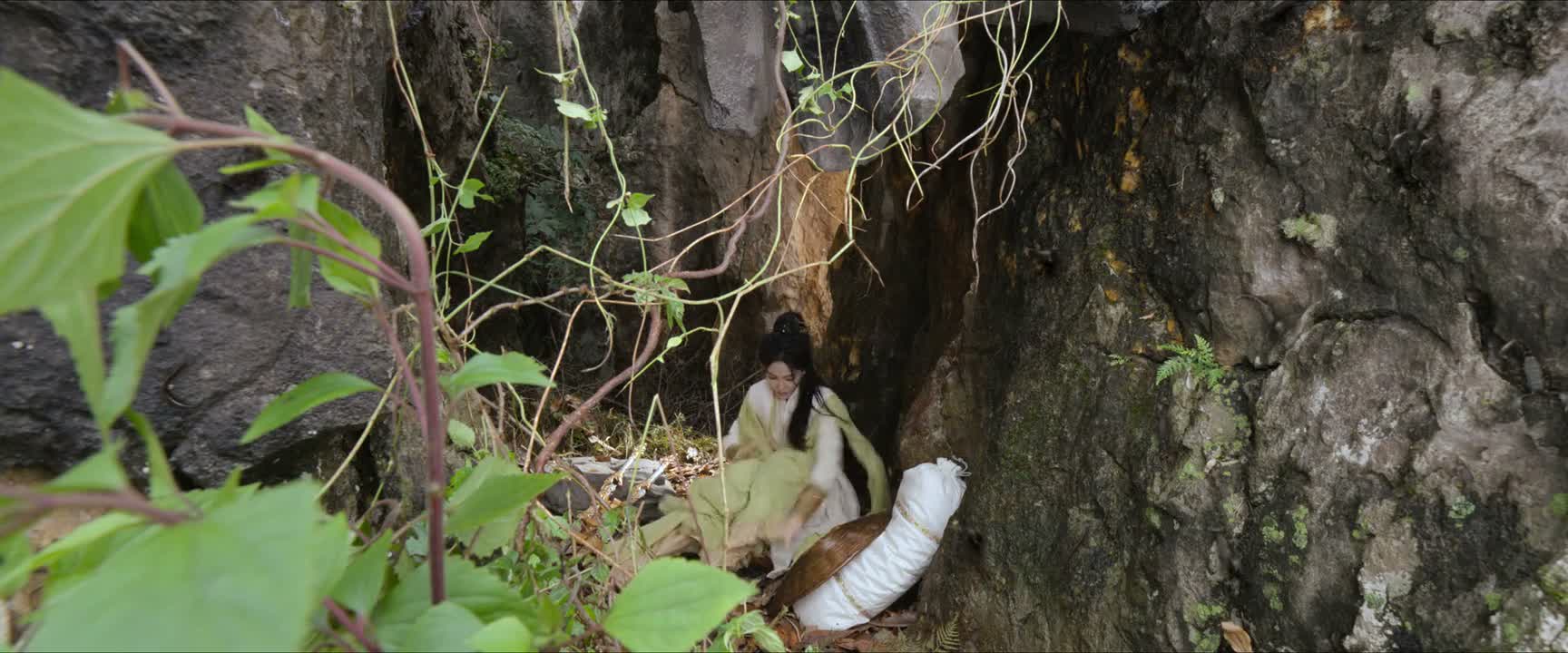
《The First Jasmine》 S1·E16 (14:57)
HSK 2
bié bié guò lái ā yé yǒu kuì yú wǒ ā niáng
别 别过来 阿爷有愧于我阿娘
“Go away. (My father felt guilty towards my mom,)”
《The First Jasmine》
S1·E16
TIMECODE: 14:57
·
1080P MASTER AUDIO
THE DIALOGUE REEL
bié bié guò lái ā yé yǒu kuì yú wǒ ā niáng
CURRENT FOCUS
别 别过来 阿爷 有愧于 我阿娘
“Go away. (My father felt guilty towards my mom,)”
[+1] FOLLOW-UP TURN
shāo yī jīng xià biàn shī le shén zhì
“so with just a little scare, he lost his wits.”
Subtitles synced to millisecond timecode
Browse Show Clips →
Scene:
Crisis & Conflict
Function:
WARNING
Tone:
URGENT
Emotion:
ANXIETY
WHAT THEY REALLY MEAN (PRAGMATIC SUBTEXT)
“Stop right there! Don't push him any further, because his guilt toward my mother has already pushed him to the edge.”
💡 Cultural Insight: Moral Guilt (愧) in Familial Relationships
In Chinese ethics, failing one's marital or moral duties produces 'kui' (inner shame/guilt), which is believed to severely afflict one's mental and physical well-being when triggered.
INTENT TAGS:
#warning
#restraint
#alarm
#urgency
🧩
2 CHUNKS · 0 PARTICLES
LEARNING CHUNKS & PARTICLES
别过来
SPOKEN CHUNK
stay back / don't come over
A direct imperative used to stop someone from advancing physically or escalating a confrontation.
有愧于
SPOKEN CHUNK
to feel guilty toward / to have wronged
A semi-formal compound used to indicate a deep-seated moral failing or debt of conscience toward someone.
🏮
2 EXPR · 0 GRAMMAR
VOCABULARY & EXPRESSIONS
COLLOQUIAL EXPRESSIONS:
CROSS-CINEMA CORPUS BOARD · PARALLEL SCENES
EXPLORE BY SEMANTIC SIMILARITY
Parallel Spoken Cinema Scenes (语义近邻切片)
《The First Jasmine》 S1·E16 (14:57) · Authentic Cinema Dialogue Corpus