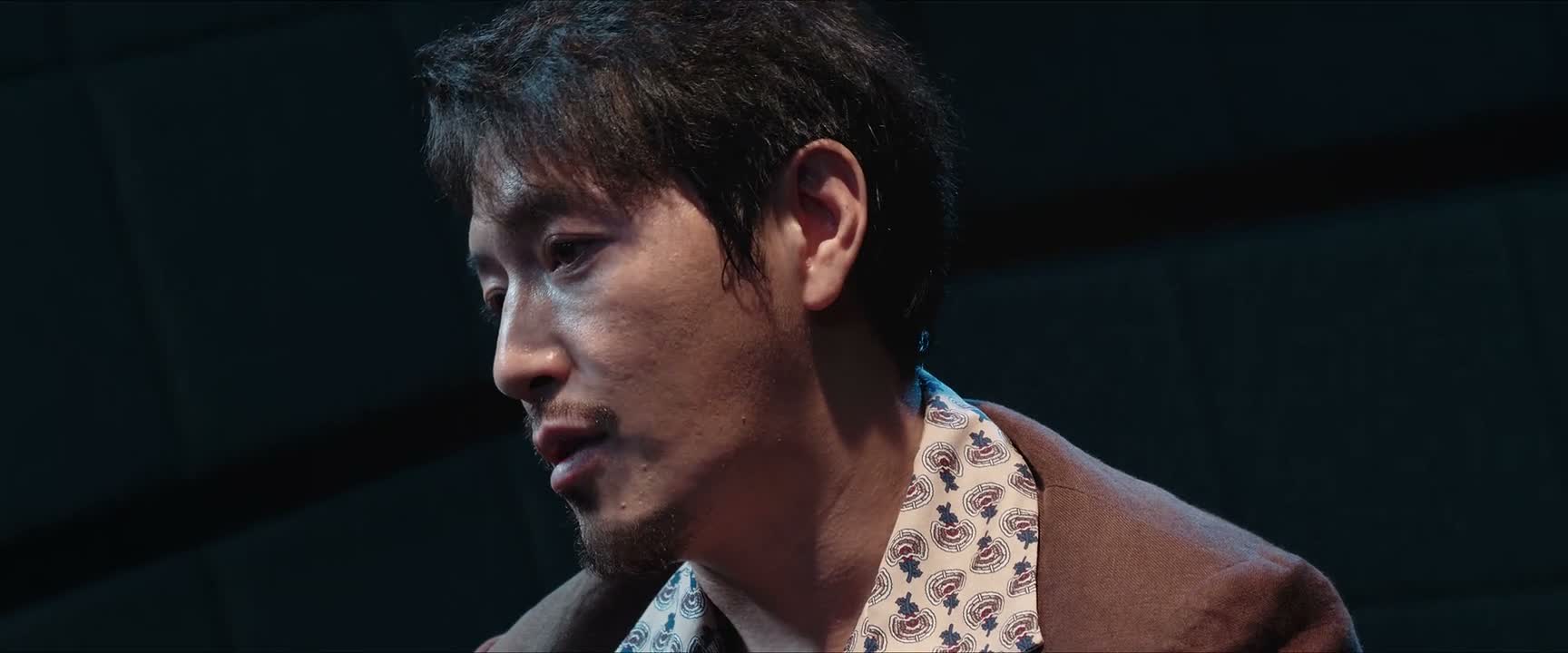
那如何得知是左撇子呢
“Then how do we know he's left-handed?”
THE DIALOGUE REEL
所以我推断 此人身高应高于五尺七寸 但不足六尺
“So, I deduce that the person is likely taller than five-foot-seven, but not quite six feet.”
那 如何得知 是 左撇子 呢
“Then how do we know he's left-handed?”
“That's thanks to Fu Ling, who identified the fabric as red silk gauze.”
Direct spoken expression in this communicative setting.
In Chinese detective narratives (both historical and modern), characters frequently break down crime scene details systematically to build up mutual respect and dramatic intrigue.
LEARNING CHUNKS & PARTICLES
how did one find out; how can one know
A semi-formal phrasing used in discussions or mysteries to ask how a specific deduction or fact was discovered.
left-handed person; southpaw
Everyday spoken Chinese term for someone who uses their left hand dominantly.
Softens the interrogative sentence, marking a gentle and inquisitive follow-up question.
VOCABULARY & EXPRESSIONS
Parallel Spoken Cinema Scenes (语义近邻切片)

“And they are likely left-handed.”

“How do you know unless you try?”
“What does this have to do with my left hand?”

“See if I got my dad's cooking skills.”

“How do you know all this?”

“your eyes unconsciously looked to the upper left.”