MC
MandarinClips Cinema Corpus
《The Lead》 S1·E26 (34:11) HSK 4
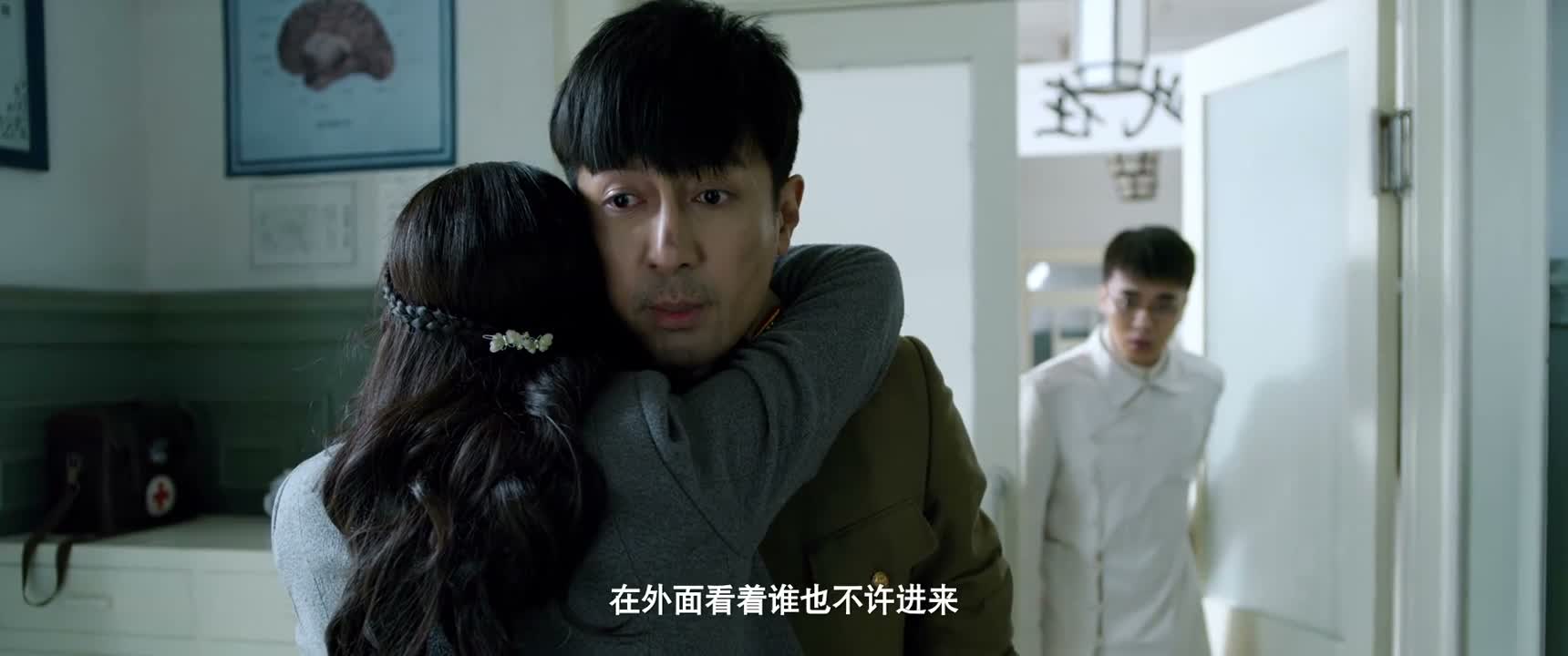
nǐ bǎ mén kǒu nà huò kàn zhù bù gǎn jiào jìn lái

你把门口那货看住 不敢叫进来

“Keep an eye on that guy at the door. Don't let him in.”

《The Lead》 S1·E26
TIMECODE: 34:11 · 1080P MASTER AUDIO

THE DIALOGUE REEL

1+1+1 SPOKEN CONTINUITY
[-1] PREVIOUS TURN nà dāng rán

那当然

“Of course not.”

nǐ bǎ mén kǒu nà huò kàn zhù bù gǎn jiào jìn lái CURRENT FOCUS

你把门口 那货 看住 不敢叫进来

“Keep an eye on that guy at the door. Don't let him in.”

[+1] FOLLOW-UP TURN shuí ya nà ma

谁呀 那嘛

“Who? That guy.”

Subtitles synced to millisecond timecode Browse Show Clips →
Scene: Daily Life
Function: GIVING INSTRUCTIONS
Tone: CAUTIONARY
Emotion: VIGILANCE
WHAT THEY REALLY MEAN (PRAGMATIC SUBTEXT)

Direct spoken expression in this communicative setting.

💡 Cultural Insight: Dialectal Prohibitive Form

In Shaanxi and related Northwestern dialects, '不敢' is frequently used to mean 'do not' or 'make sure you do not', which differs from standard Mandarin where it usually denotes a lack of personal courage.

INTENT TAGS: #instruction #warning #surveillance #exclusion
🧩

LEARNING CHUNKS & PARTICLES

3 CHUNKS · 0 PARTICLES
那货 SPOKEN CHUNK

that guy; that fellow

A colloquial, often derogatory or dismissive term used in dialectal Mandarin to refer to a third person.

看住 SPOKEN CHUNK

to keep an eye on; to watch closely

A resultative complement phrase used when telling someone to guard or monitor someone or something so they cannot escape or trespass.

不敢 SPOKEN CHUNK

must not; don't dare to

In Northwestern dialects, this phrase functions as an imperative prohibition equivalent to standard '不要' or '千万别'.

🏮

VOCABULARY & EXPRESSIONS

3 EXPR · 0 GRAMMAR
CROSS-CINEMA CORPUS BOARD · PARALLEL SCENES

Parallel Spoken Cinema Scenes (语义近邻切片)

EXPLORE BY SEMANTIC SIMILARITY
《The Lead》 S1·E26 (34:11) · Authentic Cinema Dialogue Corpus