就我还诗人 我哪配啊
“Me, a poet? I don't deserve that.”
THE DIALOGUE REEL
你真的是一个诗人 浪漫的诗人 别闹了
“you really are a poet. A romantic poet. Stop joking.”
就我还诗人 我 哪配啊
“Me, a poet? I don't deserve that.”
但是话说回来
“But then again,”
“Don't flatter me so much, I am far too ordinary for such a grand label.”
In Chinese communicative culture, accepting extreme compliments directly can be seen as arrogant; using self-deprecation maintains social balance and shows humility.
LEARNING CHUNKS & PARTICLES
hardly deserve / not worthy of at all
A colloquial and humble rhetorical device used to deny high status or flattering compliments.
how could someone like me even...
A spoken formula expressing incredulity at being associated with a certain label or achievement.
Softens the rhetorical question into an exclamatory self-mocking sigh.
VOCABULARY & EXPRESSIONS
Parallel Spoken Cinema Scenes (语义近邻切片)
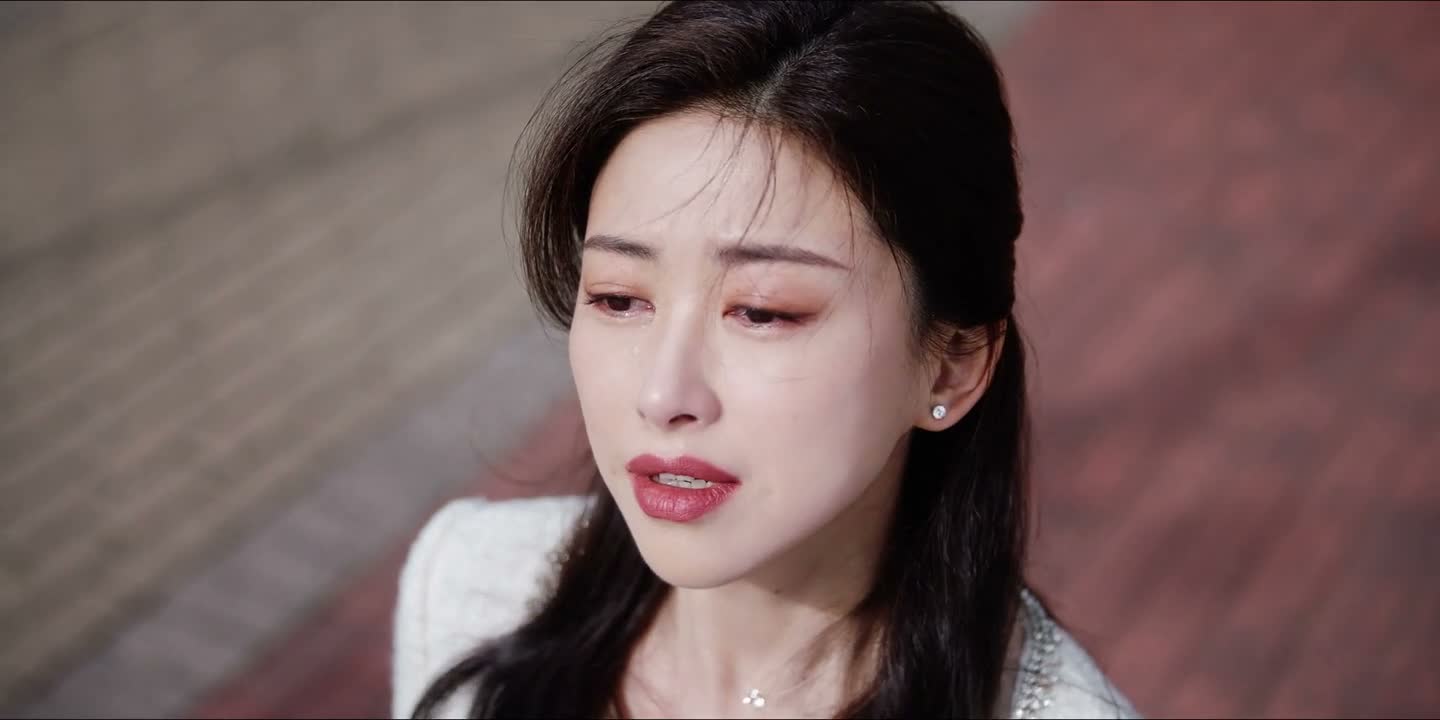
“but wasn't I doing the same?”

“So what if I did?”

“made me realize I don't deserve it at all.”

“And me? I can only write what they want me to write.”

“I mean I don't deserve her.”

“I really don't.”