MC
MandarinClips Cinema Corpus
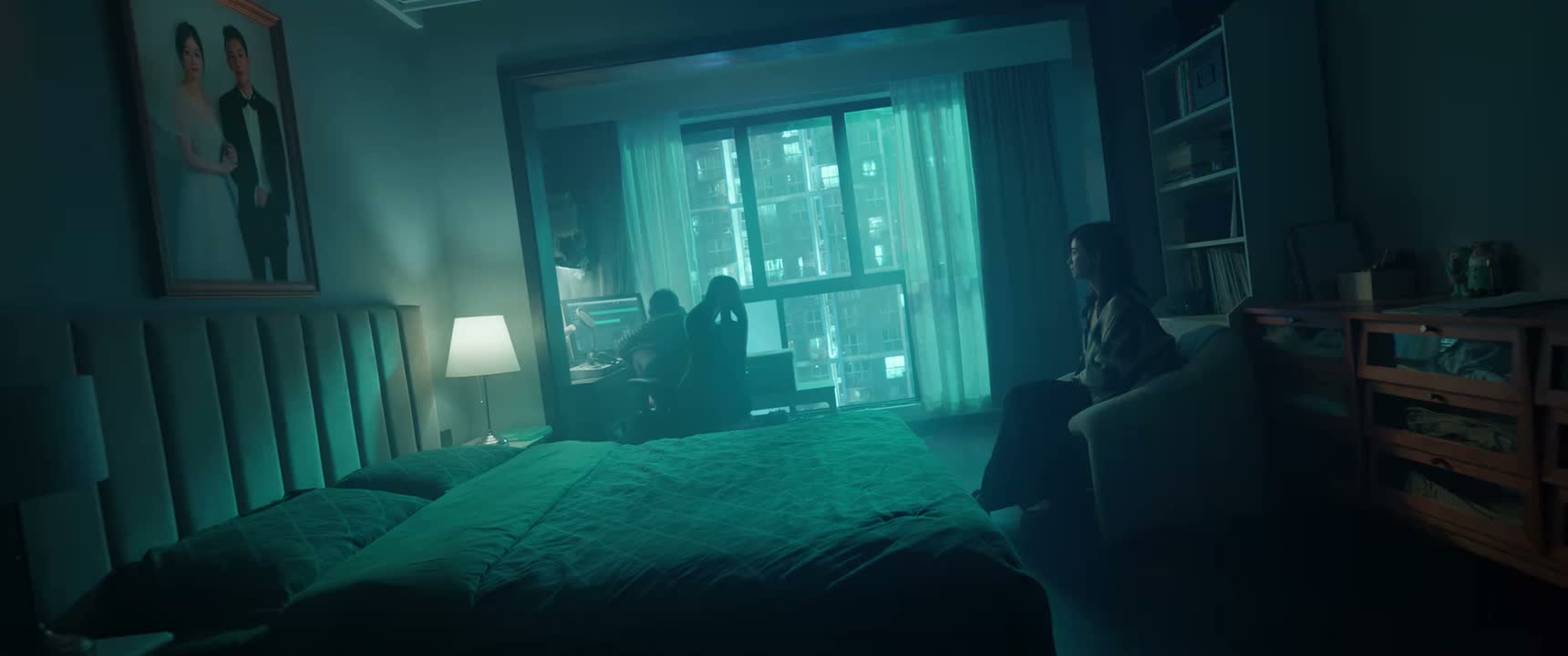
《Veil of Shadows》 S1·E19 (03:05) HSK 5
dōu lǎo fū lǎo qī le zěn dì rú cǐ kè qì ?

都老夫老妻了 怎地如此客气?

“You're not some young couple anymore. Why are you thanking him?”

《Veil of Shadows》 S1·E19
TIMECODE: 03:05 · 1080P MASTER AUDIO

THE DIALOGUE REEL

1+1+1 SPOKEN CONTINUITY
[-1] PREVIOUS TURN xiè xiè

谢谢

“Thank you.”

dōu lǎo fū lǎo qī le zěn dì rú cǐ kè qì ? CURRENT FOCUS

都 老夫老妻 了 怎地如此 客气 ?

“You're not some young couple anymore. Why are you thanking him?”

[+1] FOLLOW-UP TURN xiān lí kāi zhè lǐ zài shuō

先离开这里再说

“Let's get out of here first.”

Subtitles synced to millisecond timecode Browse Show Clips →
Scene: Social & Dating
Function: REJECTING FORMALITY
Tone: WARM
Emotion: AFFECTION
WHAT THEY REALLY MEAN (PRAGMATIC SUBTEXT)
“Don't thank me like an outsider; we are one and the same.”
💡 Cultural Insight: Ke Qi (Politeness Creating Distance)

In Chinese relationships, being excessively polite ('keqi') toward close family or partners can feel alienating, as true intimacy transcends formal courtesies.

INTENT TAGS: #intimacy #rejecting_politeness #closeness #reassurance
🧩

LEARNING CHUNKS & PARTICLES

2 CHUNKS · 1 PARTICLES
老夫老妻 SPOKEN CHUNK

an old married couple; long-term partners

Refers to long-standing partners who have deep mutual understanding, often used to dismiss unnecessary formality.

怎地如此客气 SPOKEN CHUNK

why are you being so polite?

A slightly stylized or colloquial way to brush off excessive thanks from an intimate companion.

Modal Particle「了」 (le) CHANGE OF STATE

Marks an existing state or situation, reinforcing that they have already reached the status of an old couple.
🏮

VOCABULARY & EXPRESSIONS

2 EXPR · 0 GRAMMAR
CROSS-CINEMA CORPUS BOARD · PARALLEL SCENES

Parallel Spoken Cinema Scenes (语义近邻切片)

EXPLORE BY SEMANTIC SIMILARITY
《Veil of Shadows》 S1·E19 (03:05) · Authentic Cinema Dialogue Corpus