老夫老妻
lǎo fū lǎo qīCommon spoken expression used by native Chinese speakers in daily life.
[Scene: 家庭日常]
(5 clips)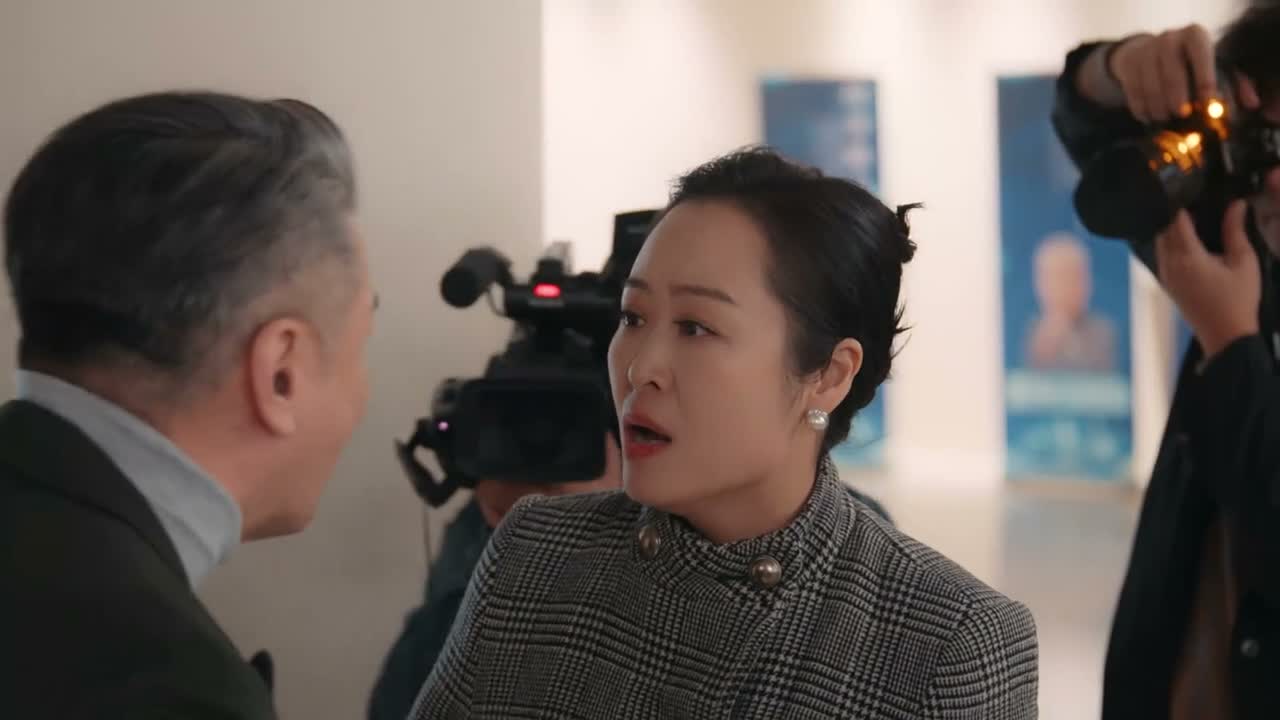 00:02
(你以为少男少女吗) ── Previous context
“- Do you think we're teenagers? - Don't I have that right? We've been married for years.”
 00:02
(忙得谁也顾不上谁了) ── Previous context
“Your mother-in-law and I have been married for so many years.”
 00:03
(我罪该万死 我想离) ── Previous context
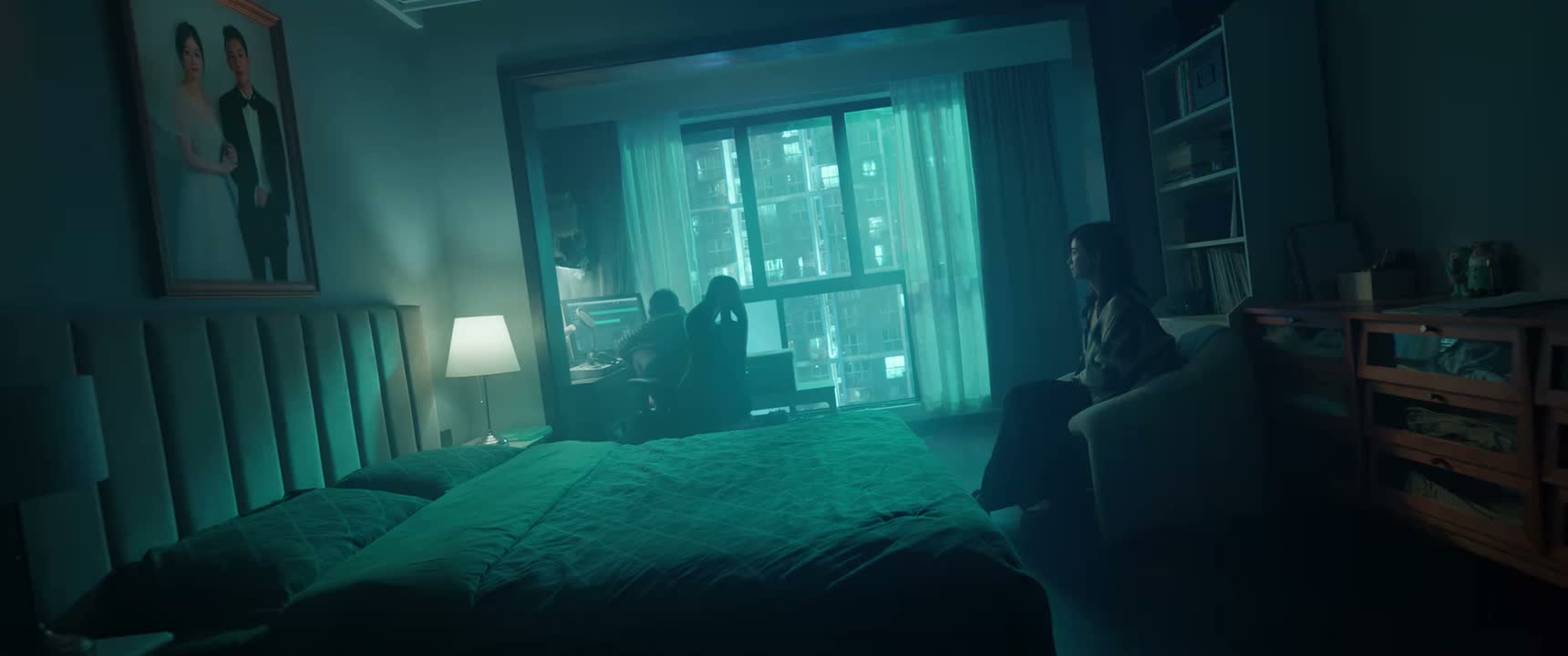
“We're an old couple. Is that necessary? No, you didn't have to.”
 00:02
 00:03
(写情书呢) ── Previous context
“We've been together for so long. No need to write love letters again.”
[Scene: 社交聚会]
(3 clips) 00:02
(反而你 我觉得你这个恋爱 谈得太普通了) ── Previous context
“You've become like an old married couple without going through the honeymoon period.”
 00:03
(谢谢) ── Previous context
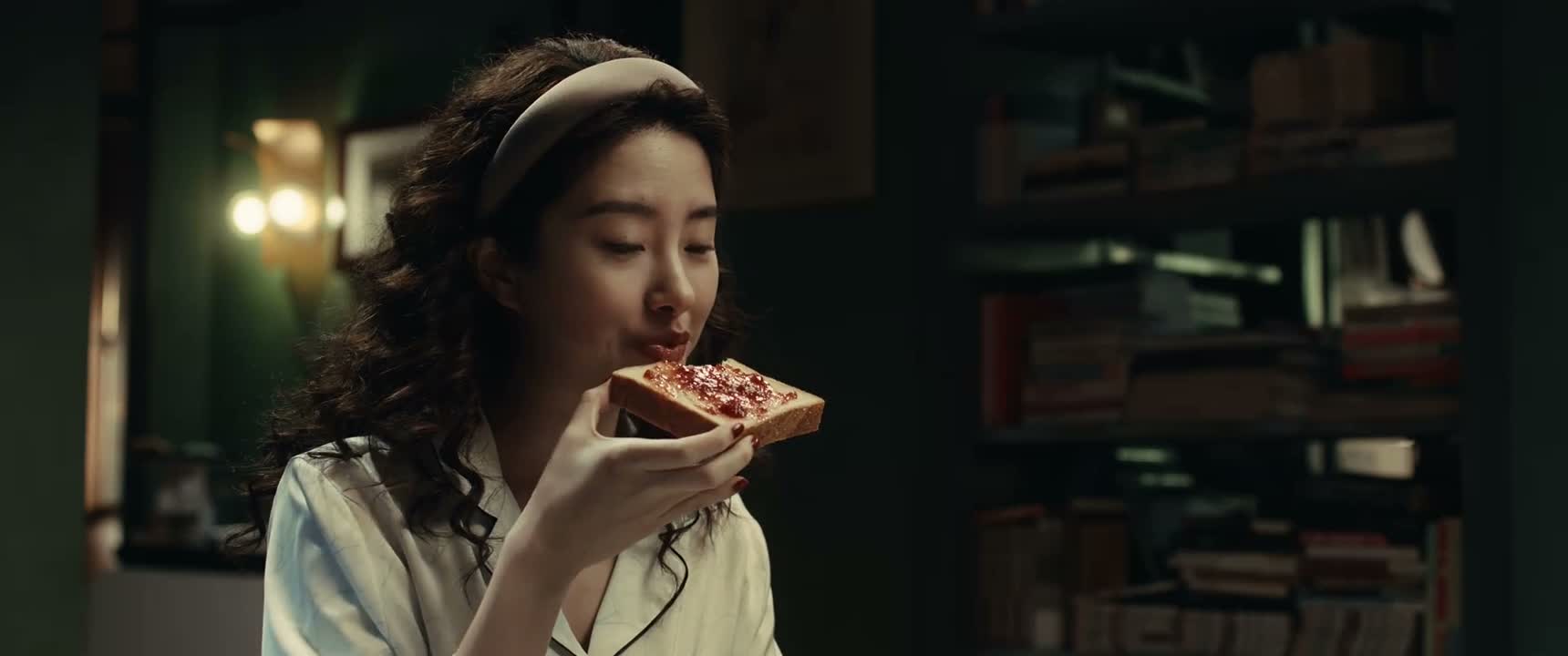
“You're not some young couple anymore. Why are you thanking him?”
 00:02
📌 人家
→Nuance: 意图相同,强调夫妻相伴多年
📌 老朋友
→Nuance: 意图一致,对象由夫妻变为朋友
📌 不用这么客气
→Nuance: 意图一致,对象由夫妻变为朋友
📌 来
→Nuance: 同指夫妻相伴,语境表述相近
📌 跟以前一样
→Nuance: 同向近义词根配对: [我们 ↔ 咱们]
📌 干吗
→Nuance: 意图相同,指老夫妻不用客套
📌 干吗
→Nuance: 意图完全一致,口语表达同义互换
📌 客气
→Nuance: 意图相同,表达更客气委婉
📌 客气
→Nuance: 意图完全一致,口语表达同义互换
📌 结婚之后
→Nuance: 同向近义词根配对: [我们 ↔ 咱们]