养娃哪能用书养呢 你说 这娃这么小
“Who raises a kid by the book? Come on. The baby's so little,”
THE DIALOGUE REEL
到时候都离不了了
“He'll get dependent on it.”
养娃 哪能用书养呢 你说 这娃这么小
“Who raises a kid by the book? Come on. The baby's so little,”
你想离开他干啥
“why would you want to leave him?”
“Stop obsessing over parenting books and listen to practical experience; a baby this small needs real care, not theories.”
In contemporary Chinese families, older generations often criticize young parents for blindly following books or Western scientific parenting rather than traditional family wisdom.
LEARNING CHUNKS & PARTICLES
raising a child; parenting
A very common colloquial, affectionate, or down-to-earth term for bringing up children.
how can (it be possible that...)
Used rhetorically to express strong doubt or rejection of a premise.
Softens the rhetorical question while underscoring the speaker's incredulity.
VOCABULARY & EXPRESSIONS
Parallel Spoken Cinema Scenes (语义近邻切片)

“Other kids can, but not yours.”

“I can raise you by myself,”
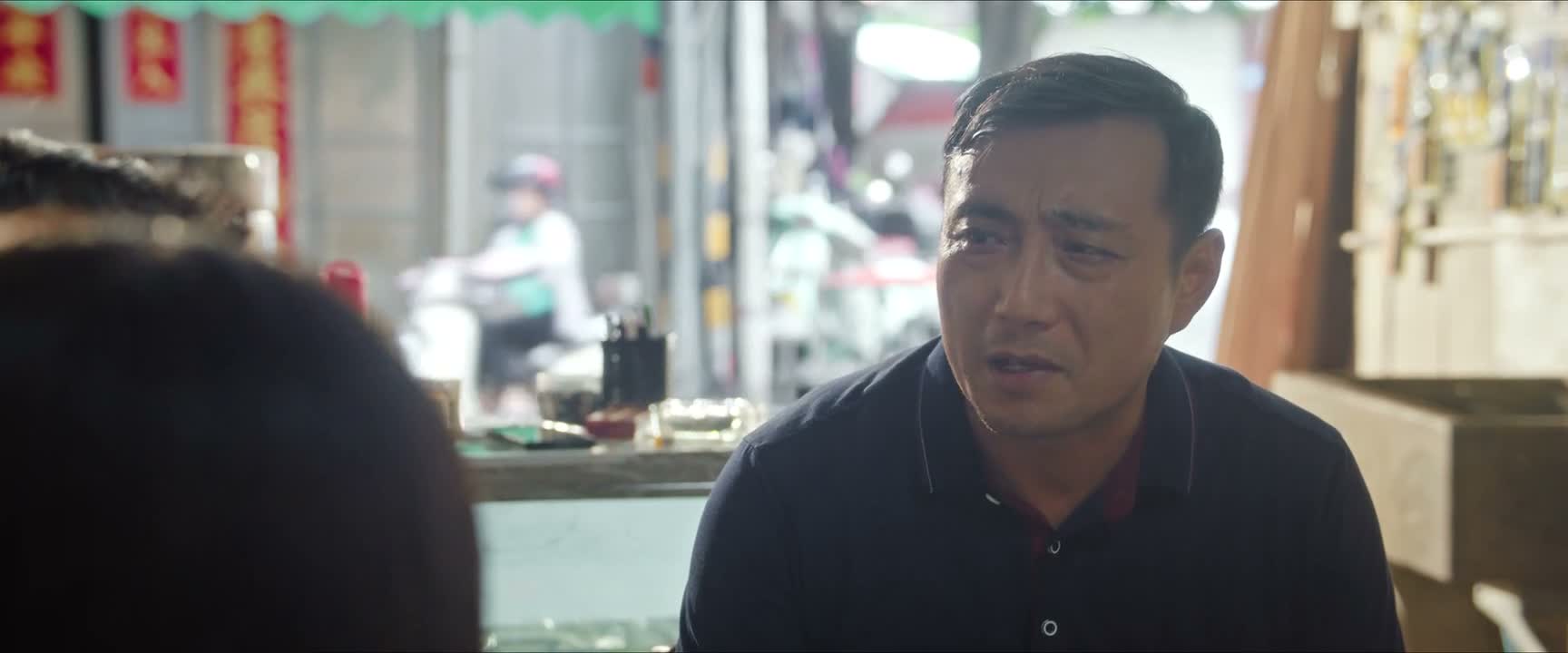
“The older he gets, the harder he is to raise.”
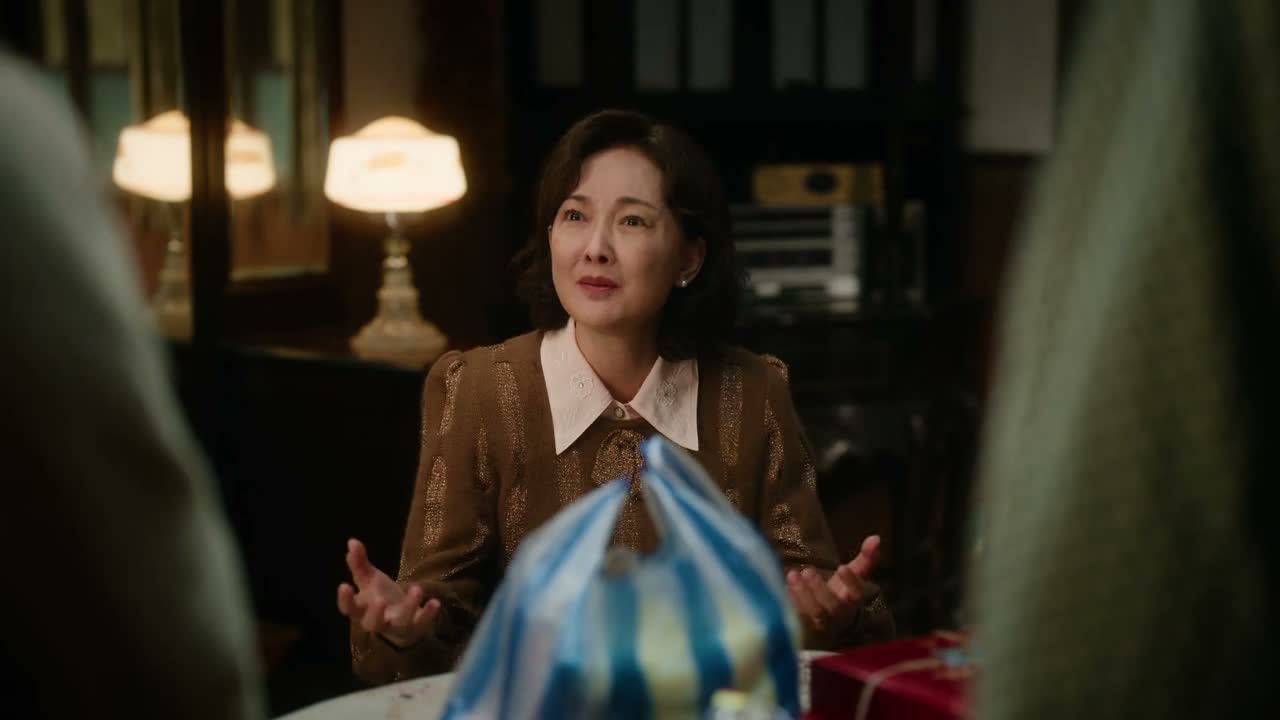
“How will you raise children?”

“Her kid is young, so she's exhausted.”

“That's no way to teach a child.”