《Archives: The Nanyang Mystery》 S1·E6 (33:56)
HSK 2
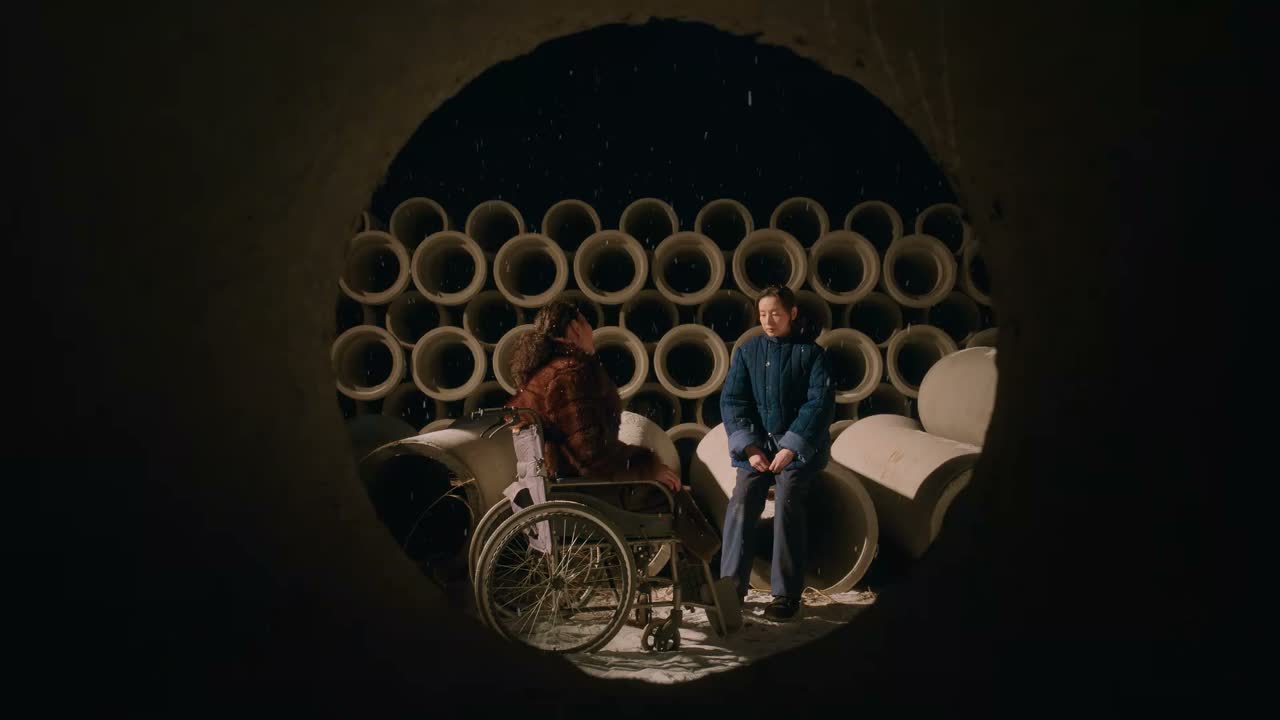
wǒ zài yě bù néng zǒu lù le
我再也不能走路了
“I can never walk again.”
《Archives: The Nanyang Mystery》
S1·E6
TIMECODE: 33:56
·
1080P MASTER AUDIO
THE DIALOGUE REEL
[-1] PREVIOUS TURN
nǐ zuì dǒng zhè yàng de zī wèi ba
“You know this feeling best, right?”
wǒ zài yě bù néng zǒu lù le
CURRENT FOCUS
我 再也不能 走路了
“I can never walk again.”
[+1] FOLLOW-UP TURN
zài yě bù néng qù zhí xíng rèn wù
“And I can never go on missions again.”
Subtitles synced to millisecond timecode
Browse Show Clips →
Scene:
Crisis & Conflict
Function:
EXPRESSING DESPAIR
Tone:
DEVASTATED
Emotion:
GRIEF
WHAT THEY REALLY MEAN (PRAGMATIC SUBTEXT)
Direct spoken expression in this communicative setting.
💡 Cultural Insight: Loss of Agency in Duty
In mission-driven contexts, losing physical capability means being severed from one's life purpose and duty, which carries heavy tragic weight in Chinese narratives.
INTENT TAGS:
#lamenting
#admitting_defeat
#expressing_helplessness
#grieving
🧩
2 CHUNKS · 1 PARTICLES
LEARNING CHUNKS & PARTICLES
再也不能
SPOKEN CHUNK
can no longer; will never again be able to
Used to express an irreversible loss of capacity or privilege.
走路
SPOKEN CHUNK
to walk
Standard everyday verb for walking or ambulating on foot.
Modal Particle「了」 (le)
CHANGE OF STATE
Marks a change of state, underscoring the irreversible shift from being able to walk to being paralyzed.
🏮
1 EXPR · 0 GRAMMAR
VOCABULARY & EXPRESSIONS
COLLOQUIAL EXPRESSIONS:
CROSS-CINEMA CORPUS BOARD · PARALLEL SCENES
EXPLORE BY SEMANTIC SIMILARITY
Parallel Spoken Cinema Scenes (语义近邻切片)
《Archives: The Nanyang Mystery》 S1·E6 (33:56) · Authentic Cinema Dialogue Corpus