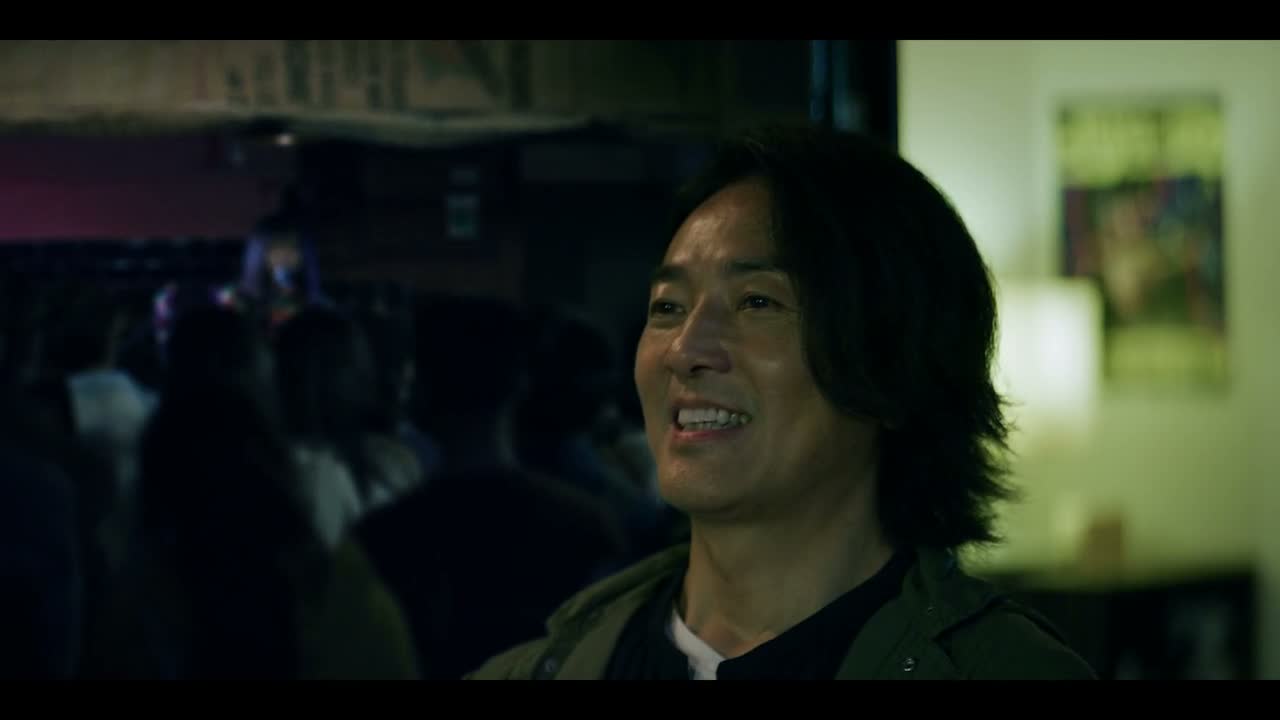
《Go Ahead》 S1·E2 (10:25)
HSK 1
chī fàn le ma
吃饭了吗
“Did you have dinner?”
《Go Ahead》
S1·E2
TIMECODE: 10:25
·
1080P MASTER AUDIO
THE DIALOGUE REEL
[-1] PREVIOUS TURN
líng xiāo
凌霄
“Ling Xiao?”
chī fàn le ma
CURRENT FOCUS
吃饭了吗
“Did you have dinner?”
[+1] FOLLOW-UP TURN
wǒ men jīn tiān chī zhà zhū pái wǒ bà zuò de zhà zhū pái kě hǎo chī le
我们今天吃炸猪排 我爸做的炸猪排 可好吃了
“Today we will have deep-fried spare ribs. My dad's deep-fried spare ribs taste really nice.”
Subtitles synced to millisecond timecode
Browse Show Clips →
Scene:
Social & Dating
Function:
GREETING
Tone:
FRIENDLY
Emotion:
WARMTH
WHAT THEY REALLY MEAN (PRAGMATIC SUBTEXT)
“Hey there! How are you doing? Come hang out with us.”
💡 Cultural Insight: Chi Le Ma (Phatic Dining Greeting)
Asking if someone has eaten is a quintessential Chinese greeting rooted in communal care, functioning as phatic communication rather than a purely factual inquiry.
INTENT TAGS:
#greeting
#rapport_building
#icebreaking
#caring
🧩
1 CHUNKS · 1 PARTICLES
LEARNING CHUNKS & PARTICLES
吃饭了吗
SPOKEN CHUNK
have you eaten yet?
A classic everyday Chinese greeting used to establish rapport, functionally similar to 'how are you?'
Modal Particle「吗」 (ma)
CHANGE OF STATE
Transforms the statement into a simple yes-no question.
🏮
1 EXPR · 0 GRAMMAR
VOCABULARY & EXPRESSIONS
COLLOQUIAL EXPRESSIONS:
CROSS-CINEMA CORPUS BOARD · PARALLEL SCENES
EXPLORE BY SEMANTIC SIMILARITY
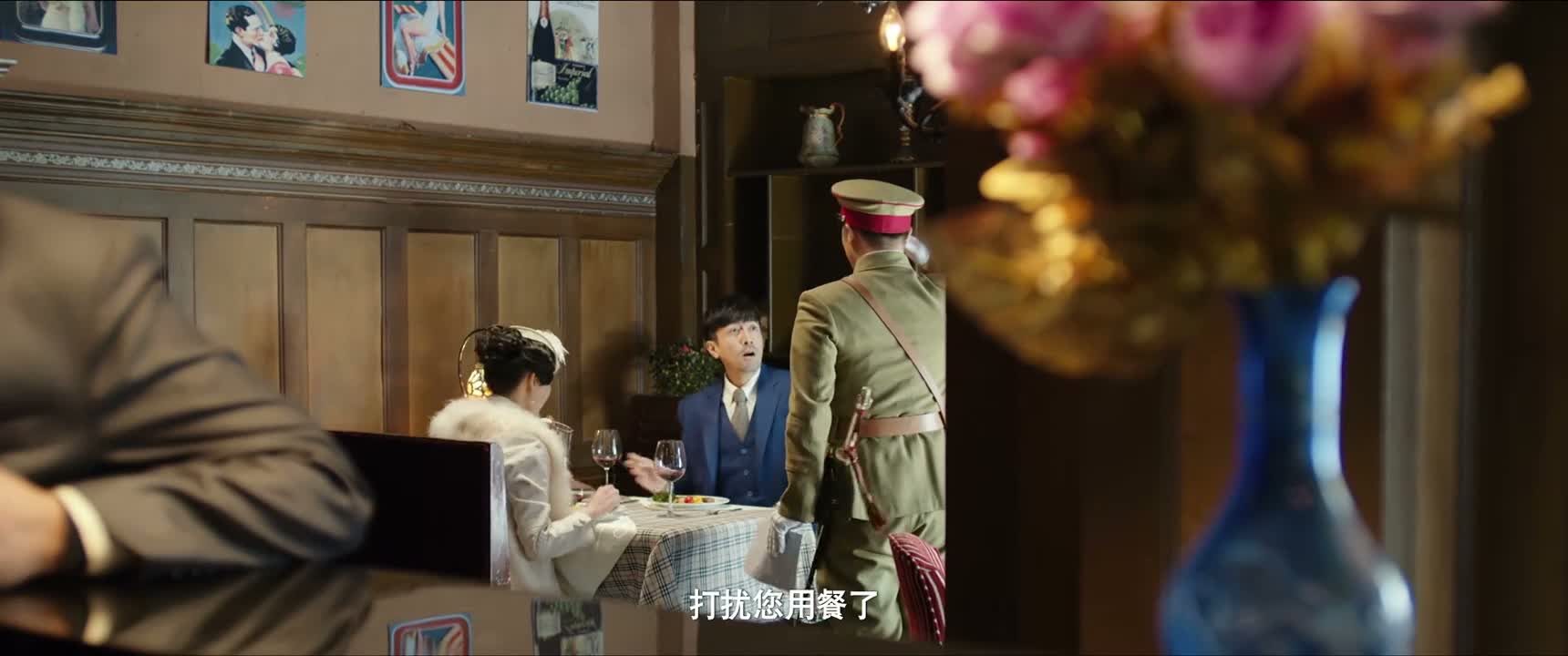
Parallel Spoken Cinema Scenes (语义近邻切片)
《Go Ahead》 S1·E2 (10:25) · Authentic Cinema Dialogue Corpus