MC
MandarinClips Cinema Corpus
《Go Ahead》 S1·E2 (24:07) HSK 2
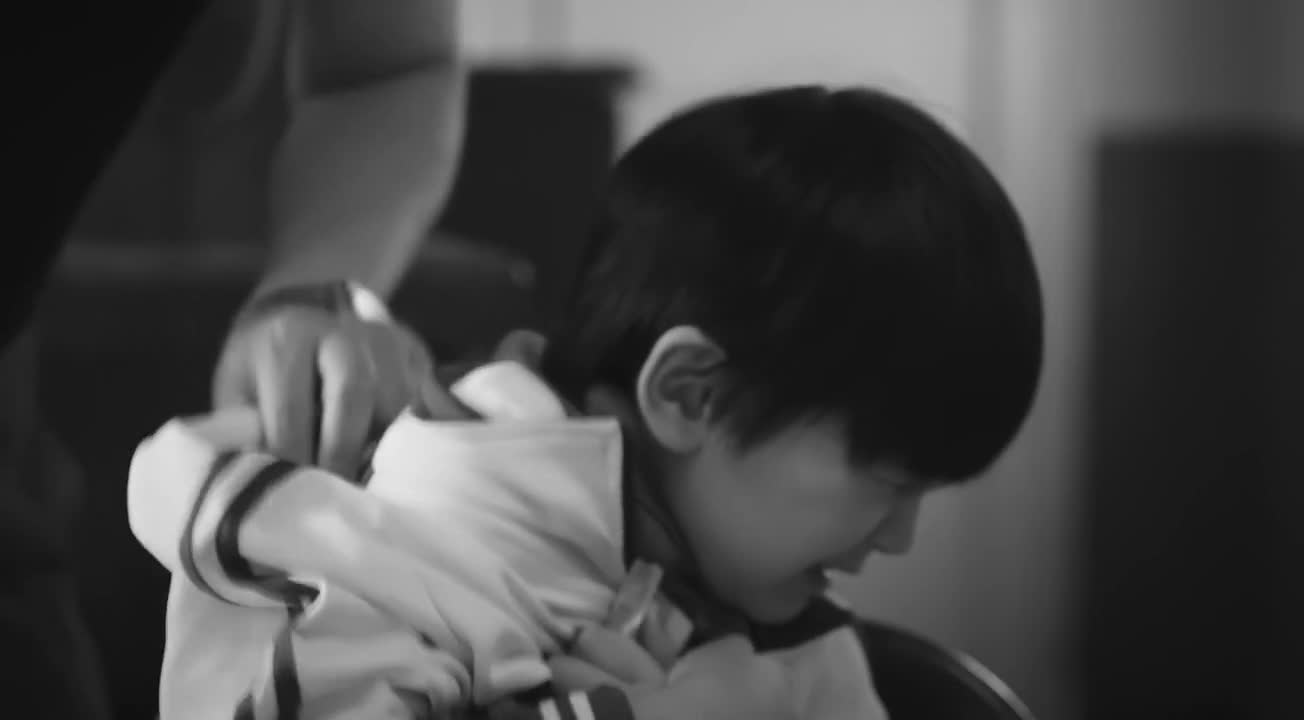
nǐ shén jīng bìng a nǐ dǎ hái zi

你神经病啊你打孩子

“Are you crazy? Why do you beat him?”

《Go Ahead》 S1·E2
TIMECODE: 24:07 · 1080P MASTER AUDIO

THE DIALOGUE REEL

1+1+1 SPOKEN CONTINUITY
[-1] PREVIOUS TURN nǐ gěi bù gěi nǐ nǐ gěi bù gěi nǐ

“Give it to me or not! Give it to me or not!”

nǐ shén jīng bìng a nǐ dǎ hái zi CURRENT FOCUS

你 神经病啊 你 打孩子

“Are you crazy? Why do you beat him?”

[+1] FOLLOW-UP TURN wǒ shì shén jīng bìng gāi bèi hé táo yē sǐ de shì wǒ

“I am crazy. The one who was choked to death by the walnut should have been me.”

Subtitles synced to millisecond timecode Browse Show Clips →
Scene: Crisis & Conflict
Function: CONDEMNING VIOLENCE
Tone: ACCUSATORY
Emotion: ANGER
WHAT THEY REALLY MEAN (PRAGMATIC SUBTEXT)

Direct spoken expression in this communicative setting.

💡 Cultural Insight: Parental Discipline Boundaries

While physical discipline was traditionally tolerated within Chinese households, excessive or violent punishment often triggers intense intra-family backlash and confrontation.

INTENT TAGS: #condemning #protecting_child #outrage #reproach
🧩

LEARNING CHUNKS & PARTICLES

2 CHUNKS · 1 PARTICLES
神经病 SPOKEN CHUNK

crazy; out of one's mind

Common spoken insult used to express extreme disbelief and anger at someone's irrational actions.

打孩子 SPOKEN CHUNK

to hit a child; physical discipline

Refers to corporal punishment or abusive hitting of a minor.

Modal Particle「啊」 (a) CHANGE OF STATE

Heightens emotional intensity and urgency in a rhetorical, confrontational question.
🏮

VOCABULARY & EXPRESSIONS

2 EXPR · 0 GRAMMAR
CROSS-CINEMA CORPUS BOARD · PARALLEL SCENES

Parallel Spoken Cinema Scenes (语义近邻切片)

EXPLORE BY SEMANTIC SIMILARITY
《Go Ahead》 S1·E2 (24:07) · Authentic Cinema Dialogue Corpus