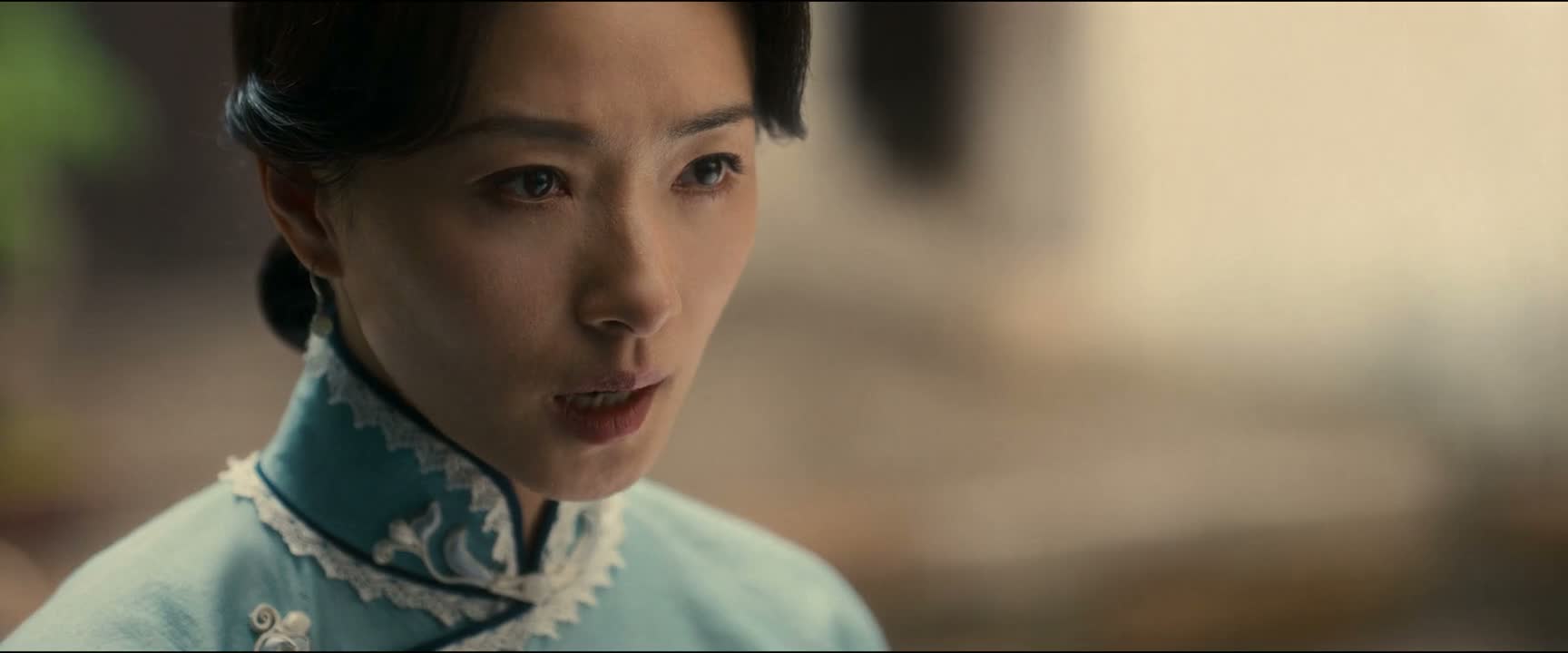
《Go Ahead》 S1·E2 (12:01)
HSK 4
sǐ le jiù shì méi yǒu le
死了就是没有了
“It means they are gone.”
《Go Ahead》
S1·E2
TIMECODE: 12:01
·
1080P MASTER AUDIO
THE DIALOGUE REEL
[-1] PREVIOUS TURN
tā men sǐ le
他们死了
“They are dead.”
sǐ le jiù shì méi yǒu le
CURRENT FOCUS
死了就是没有了
“It means they are gone.”
[+1] FOLLOW-UP TURN
nà méi yǒu le shì qù nǎ lǐ ne
“Then where are they if they are gone?”
Subtitles synced to millisecond timecode
Browse Show Clips →
Scene:
Family & Home
Function:
EXPLAINING CONCEPT
Tone:
MATTER-OF-FACT
Emotion:
SADNESS
WHAT THEY REALLY MEAN (PRAGMATIC SUBTEXT)
Direct spoken expression in this communicative setting.
💡 Cultural Insight: Taboo and Simplification of Death
Traditional Chinese culture often avoids elaborate discussions of death with children, substituting direct descriptions with minimalist ideas like 'being gone' (没有了).
INTENT TAGS:
#clarifying
#simplifying
#informing
#comforting
🧩
1 CHUNKS · 1 PARTICLES
LEARNING CHUNKS & PARTICLES
没有了
SPOKEN CHUNK
gone / ceased to exist
In spoken Chinese, '没有了' is often used euphemistically with children to explain permanent absence or loss.
Modal Particle「了」 (le)
CHANGE OF STATE
Marks the change of state from existence into complete absence.
🏮
1 EXPR · 0 GRAMMAR
VOCABULARY & EXPRESSIONS
COLLOQUIAL EXPRESSIONS:
CROSS-CINEMA CORPUS BOARD · PARALLEL SCENES
EXPLORE BY SEMANTIC SIMILARITY
Parallel Spoken Cinema Scenes (语义近邻切片)

《Go Ahead》 S1·E2 (12:01) · Authentic Cinema Dialogue Corpus