那没有了是去哪里呢
“Then where are they if they are gone?”
THE DIALOGUE REEL
那 没有了 是 去哪里呢
“Then where are they if they are gone?”
没有了就是没有了
“They are just gone.”
Direct spoken expression in this communicative setting.
In Chinese culture, direct mentions of death are often considered taboo, leading people to use euphemistic expressions like 'no longer around' when explaining loss to children.
LEARNING CHUNKS & PARTICLES
gone; no longer exists
A gentle, colloquial euphemism often used to explain death or complete absence, especially to or by children.
where to go
Standard conversational phrasing to ask about a destination or location.
Softens the interrogative tone and signals mild curiosity or reflective questioning.
VOCABULARY & EXPRESSIONS
Parallel Spoken Cinema Scenes (语义近邻切片)

“But he didn't tell me the exact location.”

“I wonder where the consulate people are now.”

“So basically, you just didn't go anywhere.”

“I don't know where I'd have drifted.”
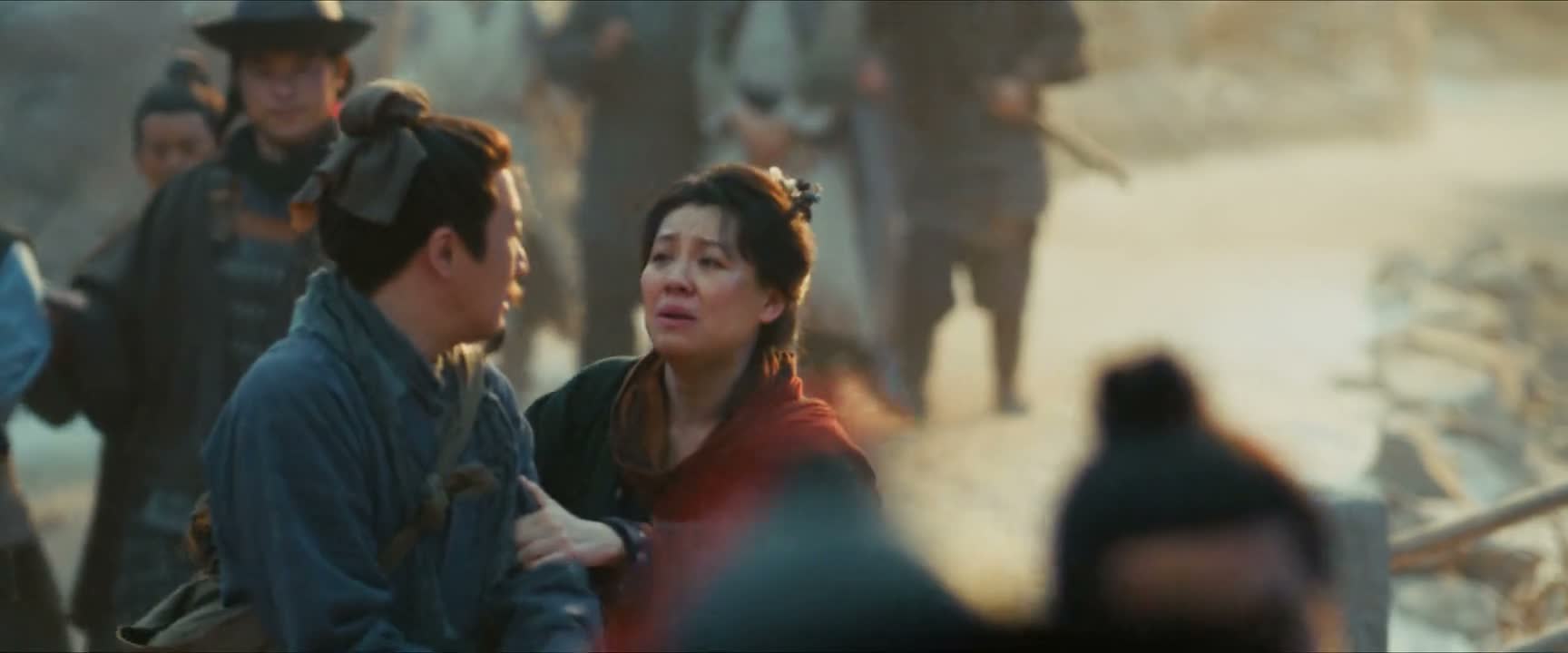
“I don't know where she is now.”

“Where's my child? I'm sorry!”

“But I didn't know where he went either.”

“I don't know where I put it.”

“What? Where did he go?”
“Where was that?”