MC
MandarinClips Cinema Corpus
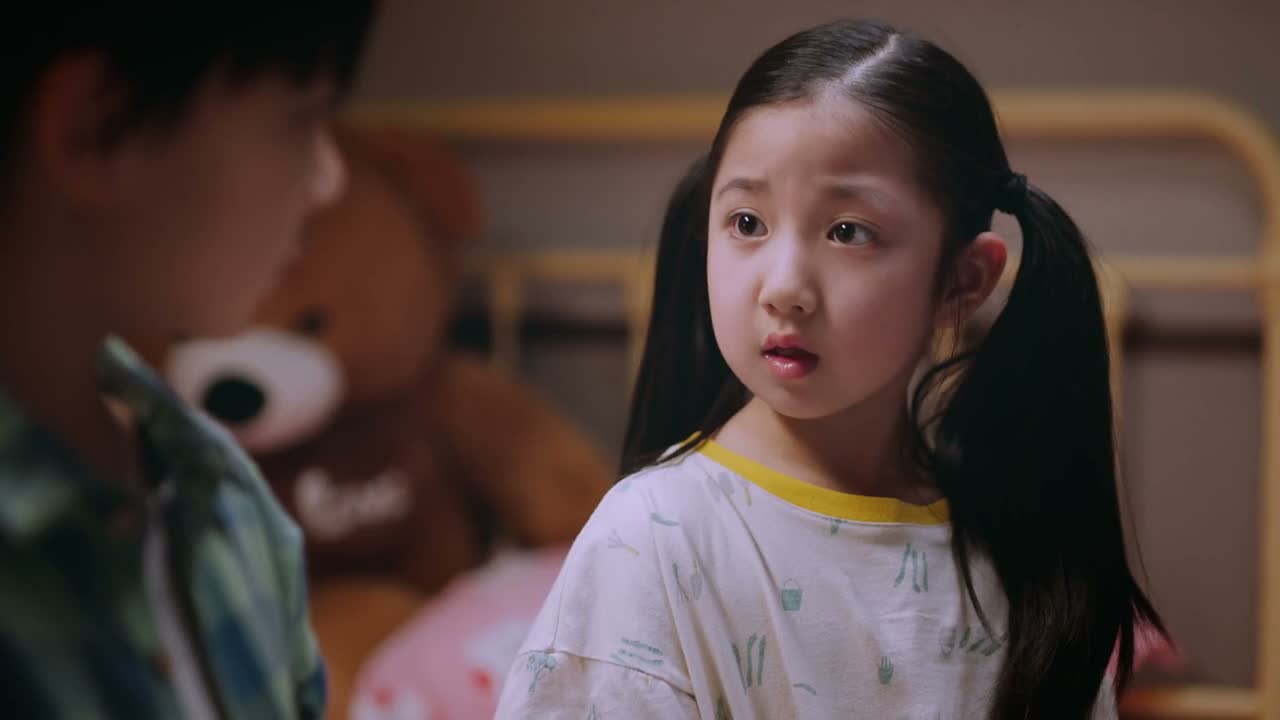
《Vanished Name》 S1·E19 (34:17) HSK 1
wǒ de hái zi shàng nǎ ér qù le duì bù qǐ duì bù qǐ

我的孩子上哪儿去了 对不起 对不起

“Where's my child? I'm sorry!”

《Vanished Name》 S1·E19
TIMECODE: 34:17 · 1080P MASTER AUDIO

THE DIALOGUE REEL

1+1+1 SPOKEN CONTINUITY
[-1] PREVIOUS TURN zhēn de ma

真的吗

“Really?”

wǒ de hái zi shàng nǎ ér qù le duì bù qǐ duì bù qǐ CURRENT FOCUS

我的孩子 上哪儿去了 对不起 对不起

“Where's my child? I'm sorry!”

[+1] FOLLOW-UP TURN nǐ men yī yuàn zěn me kān hù bìng rén de hù shì zhǎng zěn me le

“This is how you care for your patients? Head, what's wrong?”

Subtitles synced to millisecond timecode Browse Show Clips →
Scene: Medical & Health
Function: DISTRESSED INQUIRY
Tone: FRANTIC
Emotion: PANIC
WHAT THEY REALLY MEAN (PRAGMATIC SUBTEXT)

Direct spoken expression in this communicative setting.

💡 Cultural Insight: Parental Vigilance in Medical Spaces

Chinese hospital environments require constant family caregiving; losing sight of an ill child triggers profound maternal guilt and crisis.

INTENT TAGS: #panic #searching #apology #emergency
🧩

LEARNING CHUNKS & PARTICLES

2 CHUNKS · 1 PARTICLES
上哪儿去了 SPOKEN CHUNK

where did ... go?

Colloquial northern pattern used to ask where someone or something has vanished to, often carrying urgency.

对不起 SPOKEN CHUNK

I'm sorry / excuse me

Repeated apologies when disturbing others or losing emotional control in public spaces.

Modal Particle「了」 (le) CHANGE OF STATE

Signifies a completed action or change of state, highlighting that the child has already gone missing.
🏮

VOCABULARY & EXPRESSIONS

3 EXPR · 0 GRAMMAR
CROSS-CINEMA CORPUS BOARD · PARALLEL SCENES

Parallel Spoken Cinema Scenes (语义近邻切片)

EXPLORE BY SEMANTIC SIMILARITY
《Vanished Name》 S1·E19 (34:17) · Authentic Cinema Dialogue Corpus