MC
MandarinClips Cinema Corpus
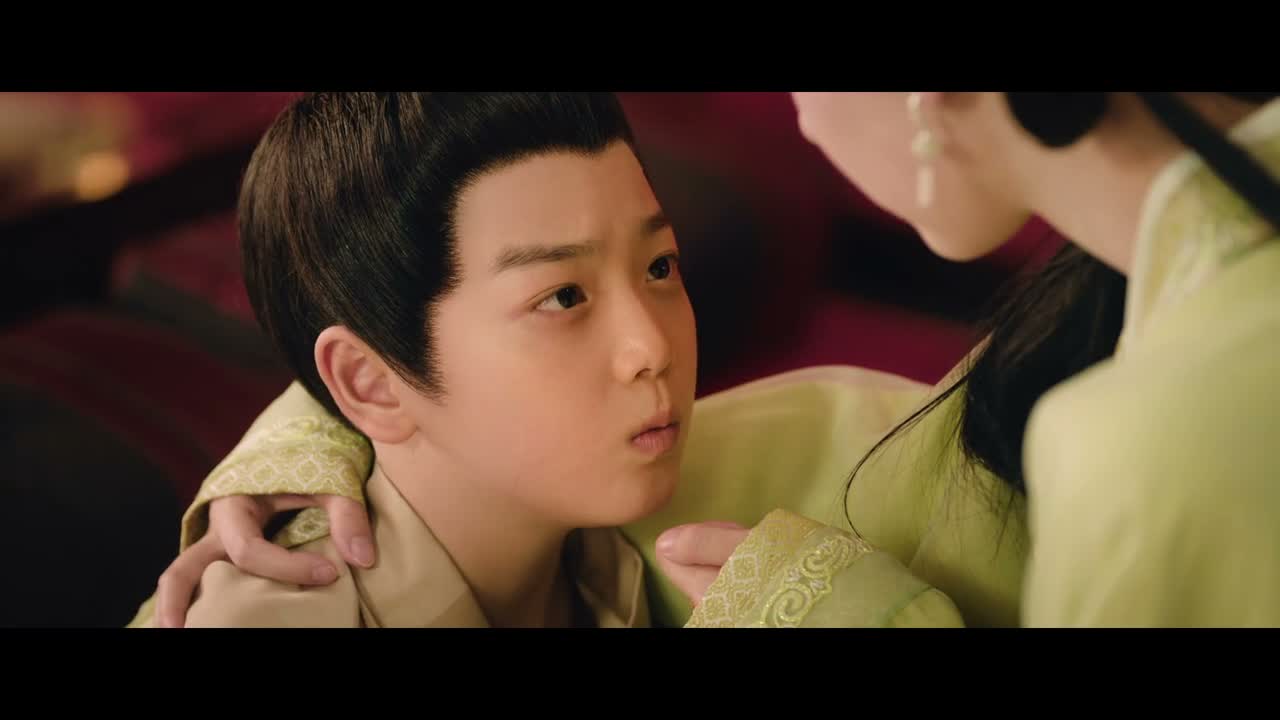
《Go Ahead》 S1·E2 (04:10) HSK 3
wǒ jiù shì gāng shuì wǔ jiào lái de

我就是刚睡午觉来的

“I took a nap just now.”

《Go Ahead》 S1·E2
TIMECODE: 04:10 · 1080P MASTER AUDIO

THE DIALOGUE REEL

1+1+1 SPOKEN CONTINUITY
[-1] PREVIOUS TURN chén tíng a ń nǐ bù shū fú a wǒ méi yǒu

陈婷啊 嗯 你不舒服啊 我没有

“Chen Ting. Yes? You are not feeling well? I'm fine.”

wǒ jiù shì gāng shuì wǔ jiào lái de CURRENT FOCUS

我 就是 刚睡午觉 来的

“I took a nap just now.”

[+1] FOLLOW-UP TURN nǐ kàn nǐ men lái le wǒ yě bù zhī dào yě méi zhǔn bèi shén me dōng xī

你看你们来了我也不知道 也没准备什么东西

“You see, I didn't expect your visit and get anything ready for you.”

Subtitles synced to millisecond timecode Browse Show Clips →
Scene: Daily Life
Function: EXPLAINING SITUATION
Tone: CASUAL AND SELF-EXCUSING
Emotion: EMBARRASSMENT
WHAT THEY REALLY MEAN (PRAGMATIC SUBTEXT)
“Don't worry, I am not sick; I just look groggy because you caught me right after my nap.”
💡 Cultural Insight: Wujiao (Afternoon Nap Routine)

Taking an afternoon nap (睡午觉) is a culturally universal routine in China, often used as a socially acceptable excuse for drowsiness or temporary unpreparedness.

INTENT TAGS: #excusing_oneself #reassurance #accounting_for_appearance #hospitality_politeness
🧩

LEARNING CHUNKS & PARTICLES

2 CHUNKS · 1 PARTICLES
睡午觉 SPOKEN CHUNK

to take an afternoon nap

A very standard Chinese daily habit and collocation for afternoon siestas.

刚……来的 SPOKEN CHUNK

just did something / fresh from doing something

A spoken structure used to account for one's current state based on a very recent activity.

Modal Particle「的」 (de) CHANGE OF STATE

Completes the explanatory marker indicating the reason for the speaker's present state.
🏮

VOCABULARY & EXPRESSIONS

2 EXPR · 0 GRAMMAR
CROSS-CINEMA CORPUS BOARD · PARALLEL SCENES

Parallel Spoken Cinema Scenes (语义近邻切片)

EXPLORE BY SEMANTIC SIMILARITY
《Go Ahead》 S1·E2 (04:10) · Authentic Cinema Dialogue Corpus