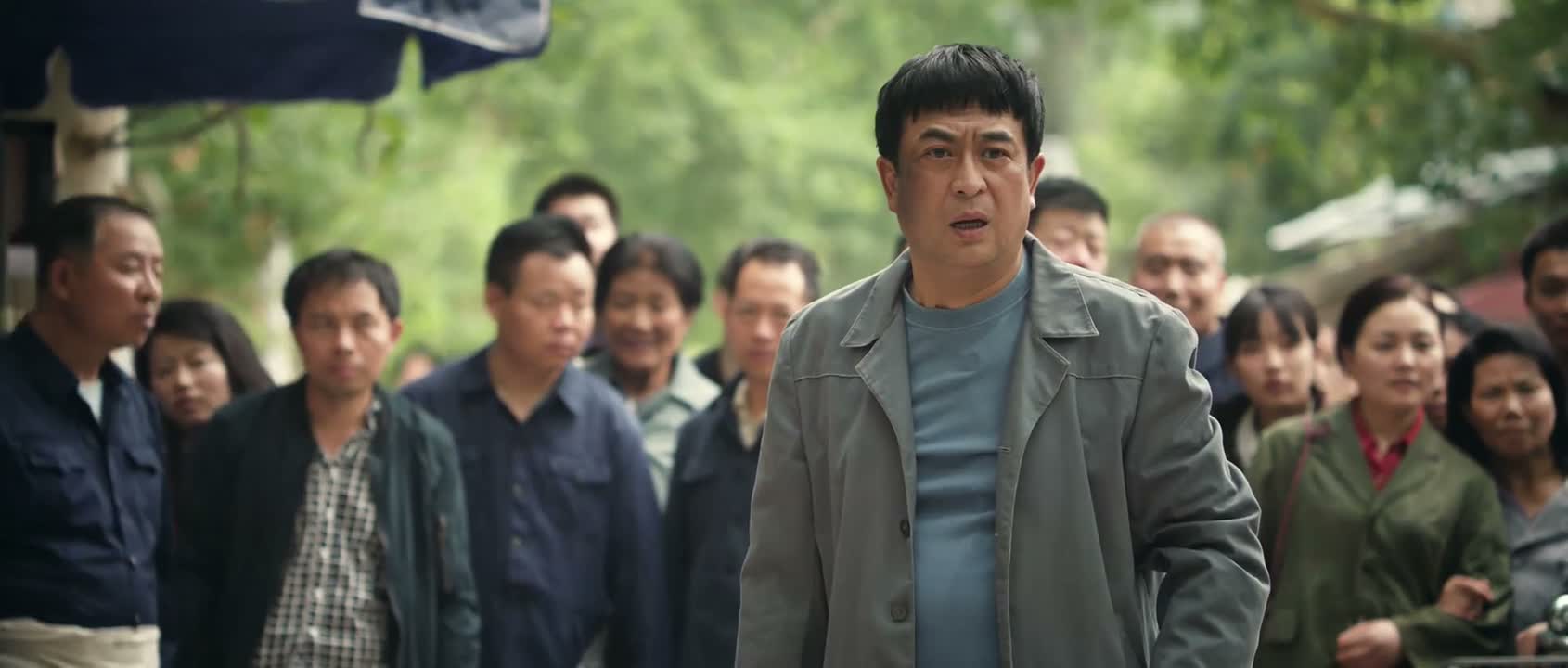
《Go Ahead》 S1·E2 (19:58)
HSK 3
zěn me le yòu
怎么了又
“What's up?”
《Go Ahead》
S1·E2
TIMECODE: 19:58
·
1080P MASTER AUDIO
THE DIALOGUE REEL
[-1] PREVIOUS TURN
tīng jiàn méi yǒu
听见没有
“got it?”
zěn me le yòu
CURRENT FOCUS
怎么了 又
“What's up?”
[+1] FOLLOW-UP TURN
nǐ zěn me yòu yǎo rén a xiǎo jiān nǐ sōng kāi nǐ sōng kāi
你怎么又咬人啊小尖 你松开 你松开
“Why do you bite him again, Jianjian? Let him go! Let him go!”
Subtitles synced to millisecond timecode
Browse Show Clips →
Scene:
Family & Home
Function:
EXPRESSING ANNOYANCE
Tone:
EXASPERATED
Emotion:
ANNOYANCE
WHAT THEY REALLY MEAN (PRAGMATIC SUBTEXT)
Direct spoken expression in this communicative setting.
💡 Cultural Insight: Postposition of Adverbs in Colloquial Chinese
In fast-paced spoken Chinese, moving words like '又' (again) to the very end reflects emotional urgency and colloquial spontaneity.
INTENT TAGS:
#exasperation
#inquiry
#parenting
#irritation
🧩
1 CHUNKS · 1 PARTICLES
LEARNING CHUNKS & PARTICLES
怎么了又
SPOKEN CHUNK
what is it this time / what happened again
A colloquial inversion of '又怎么了', placed at the end to give extra punch to the speaker's annoyance at repeated disruptions.
Modal Particle「了」 (le)
CHANGE OF STATE
Indicates a newly emerged change of state or situation requiring immediate attention.
🏮
1 EXPR · 0 GRAMMAR
VOCABULARY & EXPRESSIONS
COLLOQUIAL EXPRESSIONS:
CROSS-CINEMA CORPUS BOARD · PARALLEL SCENES
EXPLORE BY SEMANTIC SIMILARITY
Parallel Spoken Cinema Scenes (语义近邻切片)
《Go Ahead》 S1·E2 (19:58) · Authentic Cinema Dialogue Corpus