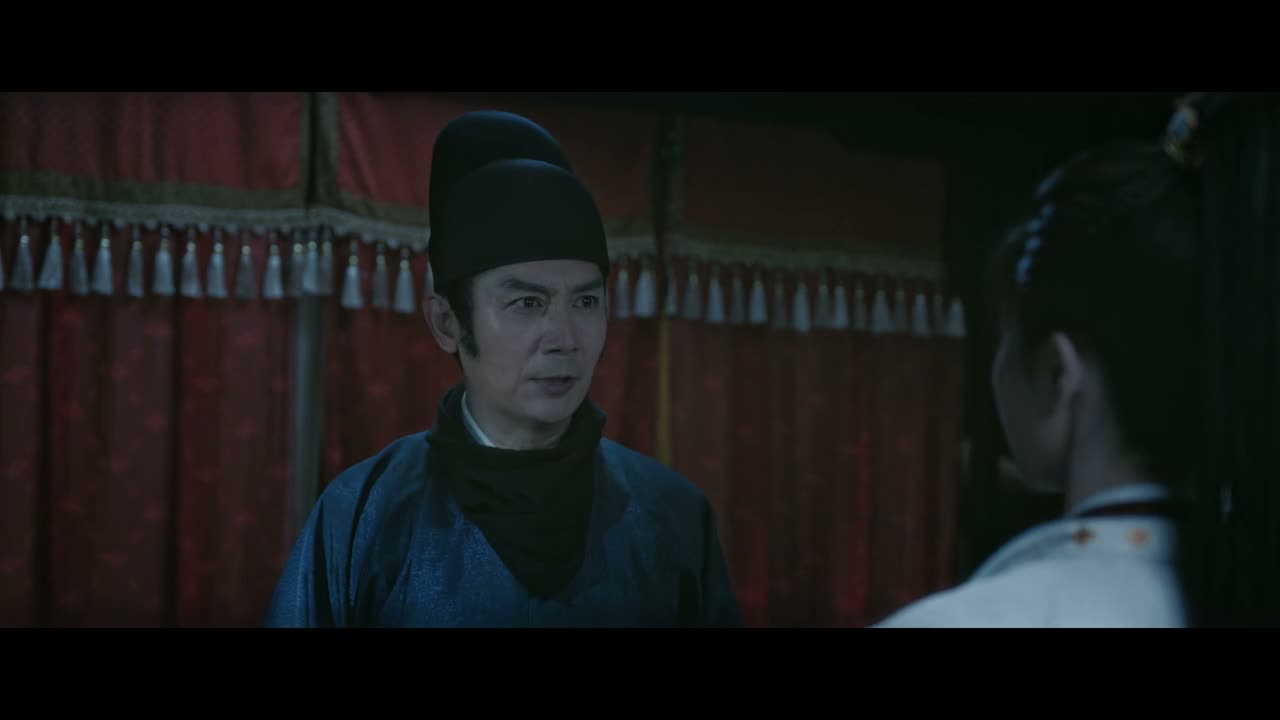
你不杀伯仁 伯仁却因你而死
“you didn't kill anyone, but they died because of you.”
THE DIALOGUE REEL
表弟
“Cousin,”
你不杀伯仁 伯仁却 因你而死
“you didn't kill anyone, but they died because of you.”
这到底是怎么回事啊 你说的这个船上很安全
“What on earth is going on here? You said this ship was very safe!”
“You may claim innocence, but your reckless actions cost an innocent life and you cannot escape responsibility.”
Originating from the Jin Dynasty historical figure Zhou Yi (courtesy name Boren), this cultural idiom illustrates moral culpability where failing to prevent harm makes one ethically responsible even without direct malice.
LEARNING CHUNKS & PARTICLES
I did not kill Boren, yet Boren died because of me (bearing indirect responsibility for a tragedy).
A famous classical idiom used when someone's unintended action or passivity leads directly to another person's ruin or death.
died because of you
Used to point out direct causality or blame regarding someone's demise.
VOCABULARY & EXPRESSIONS
Parallel Spoken Cinema Scenes (语义近邻切片)
“nor can I bear to kill you.”

“Uncle Qiu would rather die than turn back.”

“The one who killed Uncle Chang”

“Kill them all. Spare no one.”

“Bai Shu, he'll get you killed!”

“He'll get you killed, Bai Shu!”