《Archives: The Nanyang Mystery》 S1·E8 (23:14)
HSK 6
sān děng cāng dé yǒu duō shǎo tàn yuán bèi shā
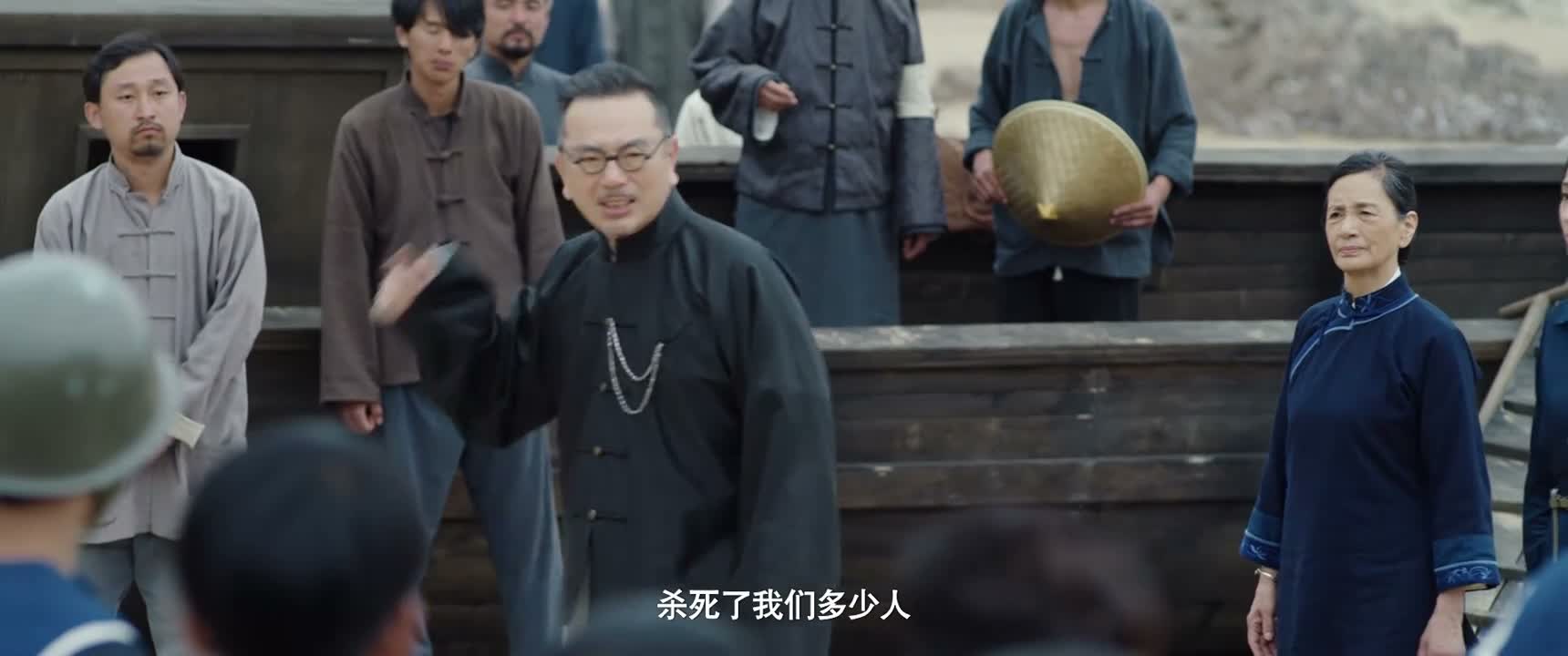
三等舱得有多少探员被杀
“How many more agents were killed in third class?”
《Archives: The Nanyang Mystery》
S1·E8
TIMECODE: 23:14
·
1080P MASTER AUDIO
THE DIALOGUE REEL
[-1] PREVIOUS TURN
guāng tóu děng cāng hé èr děng cāng jiù bèi shā le shí sì gè tàn yuán
光头等舱和二等舱 就被杀了十四个探员
“Fourteen agents were killed in first and second class alone.”
sān děng cāng dé yǒu duō shǎo tàn yuán bèi shā
CURRENT FOCUS
三等舱 得有多少 探员被杀
“How many more agents were killed in third class?”
[+1] FOLLOW-UP TURN
xiōng shǒu wèi shén me yào zhè me zuò
凶手为什么要这么做
“Why would the murderers do this?”
Subtitles synced to millisecond timecode
Browse Show Clips →
Scene:
Legal & Police
Function:
SPECULATING
Tone:
GRIM
Emotion:
SHOCK
WHAT THEY REALLY MEAN (PRAGMATIC SUBTEXT)
“If first and second class were this bad, third class must be a complete slaughterhouse.”
💡 Cultural Insight: Tiered Cabins in Period Drama
In Republican-era or early modern Chinese transit dramas, passenger cabins strictly reflect social stratification, with third class representing overcrowding and high vulnerability.
INTENT TAGS:
#speculation
#estimating
#dread
#inquiry
🧩
2 CHUNKS · 0 PARTICLES
LEARNING CHUNKS & PARTICLES
得有
SPOKEN CHUNK
must amount to; probably at least
Use '得有' (děi yǒu) in spoken Mandarin to express an emphatic estimation of a surprisingly large quantity.
三等舱
SPOKEN CHUNK
third-class cabin; steerage
A standard nautical travel term used for the lowest fare tier on a passenger ship.
🏮
1 EXPR · 0 GRAMMAR
VOCABULARY & EXPRESSIONS
COLLOQUIAL EXPRESSIONS:
CROSS-CINEMA CORPUS BOARD · PARALLEL SCENES
EXPLORE BY SEMANTIC SIMILARITY
Parallel Spoken Cinema Scenes (语义近邻切片)
《Archives: The Nanyang Mystery》 S1·E8 (23:14) · Authentic Cinema Dialogue Corpus