《Go Ahead》 S1·E32 (13:20)
HSK 4
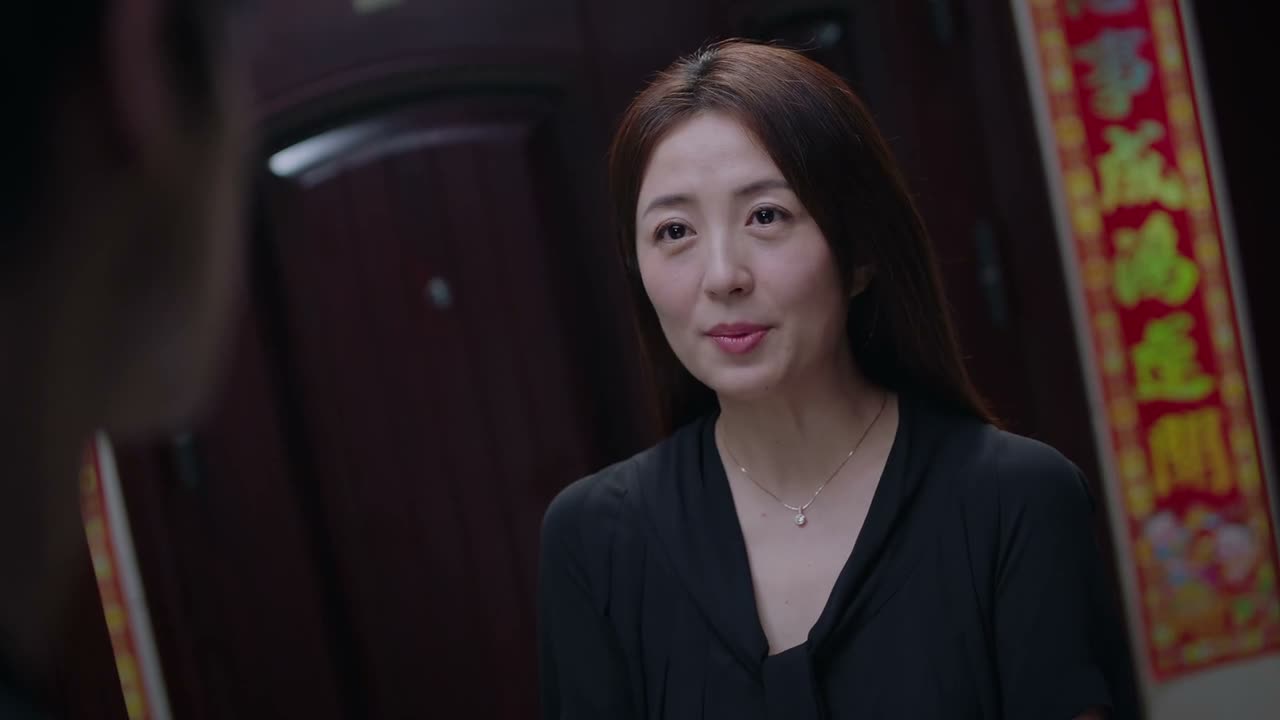
nǐ bù guǎn wǒ hé mèi mèi le ma
你不管我和妹妹了吗
“Do you want to abandon me and your sister?”
《Go Ahead》
S1·E32
TIMECODE: 13:20
·
1080P MASTER AUDIO
THE DIALOGUE REEL
[-1] PREVIOUS TURN
líng xiāo
凌霄
“Ling Xiao.”
nǐ bù guǎn wǒ hé mèi mèi le ma
CURRENT FOCUS
你不管 我和妹妹了吗
“Do you want to abandon me and your sister?”
[+1] FOLLOW-UP TURN
líng xiāo
凌霄
“Ling Xiao.”
Subtitles synced to millisecond timecode
Browse Show Clips →
Scene:
Crisis & Conflict
Function:
PLEADING AND GUILT TRIPPING
Tone:
PLEADING
Emotion:
ANXIETY
WHAT THEY REALLY MEAN (PRAGMATIC SUBTEXT)
“Please don't walk out of our lives and abandon us.”
💡 Cultural Insight: Sibling Dependency in Blended Families
In Chinese family dramas, elder brothers often carry the pseudo-parental responsibility of protecting younger siblings, making separation feel like parental abandonment.
INTENT TAGS:
#pleading
#guilt_tripping
#fear_of_abandonment
#confrontation
🧩
1 CHUNKS · 2 PARTICLES
LEARNING CHUNKS & PARTICLES
不管
SPOKEN CHUNK
to not care for; to neglect; to abandon
Crucial verb chunk when discussing family duties, emotional care, or parental/sibling neglect.
Modal Particle「了」 (le)
CHANGE OF STATE
Indicates a change of state, highlighting the shift from being cared for to being abandoned.
Modal Particle「吗」 (ma)
CHANGE OF STATE
Forms an emotionally charged interrogative sentence seeking clarification or denial.
🏮
1 EXPR · 0 GRAMMAR
VOCABULARY & EXPRESSIONS
COLLOQUIAL EXPRESSIONS:
CROSS-CINEMA CORPUS BOARD · PARALLEL SCENES
EXPLORE BY SEMANTIC SIMILARITY
Parallel Spoken Cinema Scenes (语义近邻切片)
《Go Ahead》 S1·E32 (13:20) · Authentic Cinema Dialogue Corpus