MC
MandarinClips Cinema Corpus
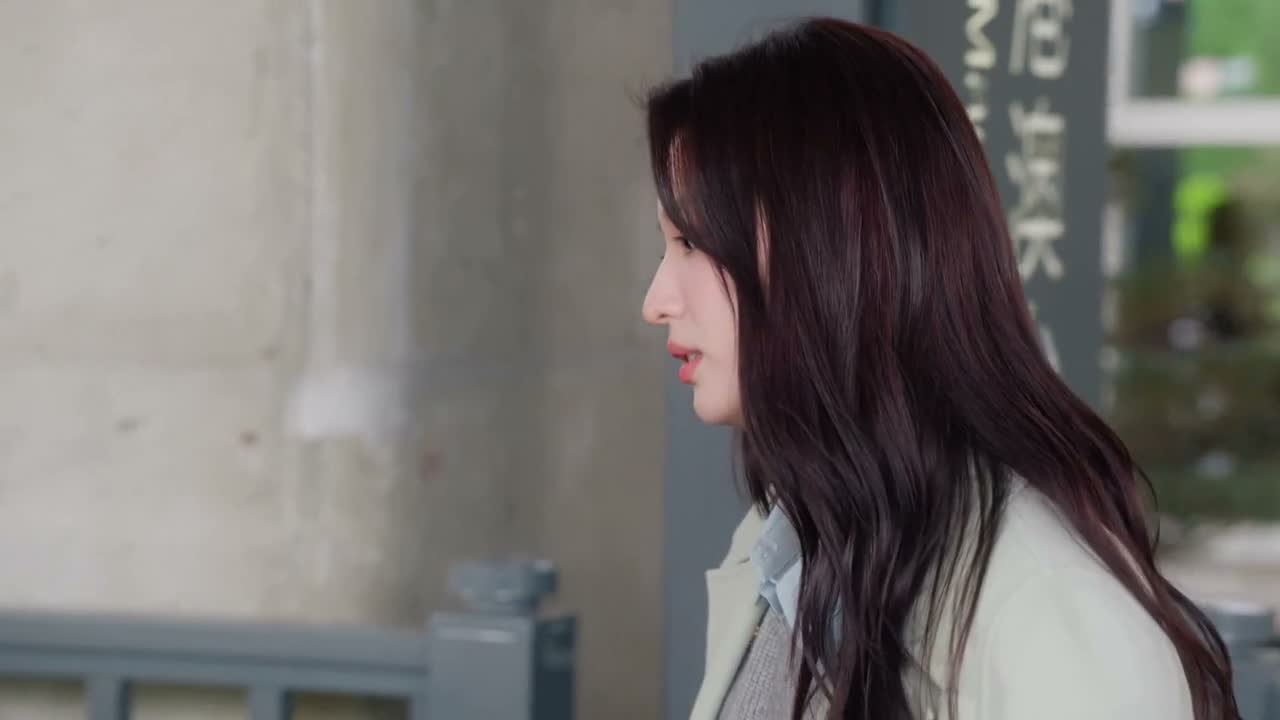
《Go Ahead》 S1·E32 (40:17) HSK 7
nǐ kàn nǐ zuì jìn dōu qiáo cuì la

你看你 最近都憔悴啦

“Look at you. You look pale recently.”

《Go Ahead》 S1·E32
TIMECODE: 40:17 · 1080P MASTER AUDIO

THE DIALOGUE REEL

1+1+1 SPOKEN CONTINUITY
[-1] PREVIOUS TURN lún liú zuò ba

轮流做吧

“Let's take turns.”

nǐ kàn nǐ zuì jìn dōu qiáo cuì la CURRENT FOCUS

你看你 最近都 憔悴 啦

“Look at you. You look pale recently.”

[+1] FOLLOW-UP TURN bó wù guǎn gōng zuò zuò dé zěn me yàng

博物馆工作做得怎么样

“How is the museum work?”

Subtitles synced to millisecond timecode Browse Show Clips →
Scene: Daily Life
Function: EXPRESSING CONCERN
Tone: CARING
Emotion: CONCERN
WHAT THEY REALLY MEAN (PRAGMATIC SUBTEXT)

Direct spoken expression in this communicative setting.

💡 Cultural Insight: Commenting on Physical Appearance as Care

In Chinese culture, commenting that someone looks tired, thin, or haggard is an acceptable and direct way to show deep concern for their well-being.

INTENT TAGS: #concern #care #observation #sympathy
🧩

LEARNING CHUNKS & PARTICLES

2 CHUNKS · 1 PARTICLES
你看你 SPOKEN CHUNK

look at you

A spoken phrase used to draw attention to someone's state, often carrying affectionate concern or mild teasing.

都憔悴啦 SPOKEN CHUNK

have become so haggard / worn out

Used when observing that someone looks noticeably fatigued, pale, or gaunt from overwork or stress.

Modal Particle「啦」 (la) CHANGE OF STATE

Softens the observation, blending a change of state with warmth and affectionate concern.
🏮

VOCABULARY & EXPRESSIONS

2 EXPR · 0 GRAMMAR
CROSS-CINEMA CORPUS BOARD · PARALLEL SCENES

Parallel Spoken Cinema Scenes (语义近邻切片)

EXPLORE BY SEMANTIC SIMILARITY
《Go Ahead》 S1·E32 (40:17) · Authentic Cinema Dialogue Corpus