MC
MandarinClips Cinema Corpus
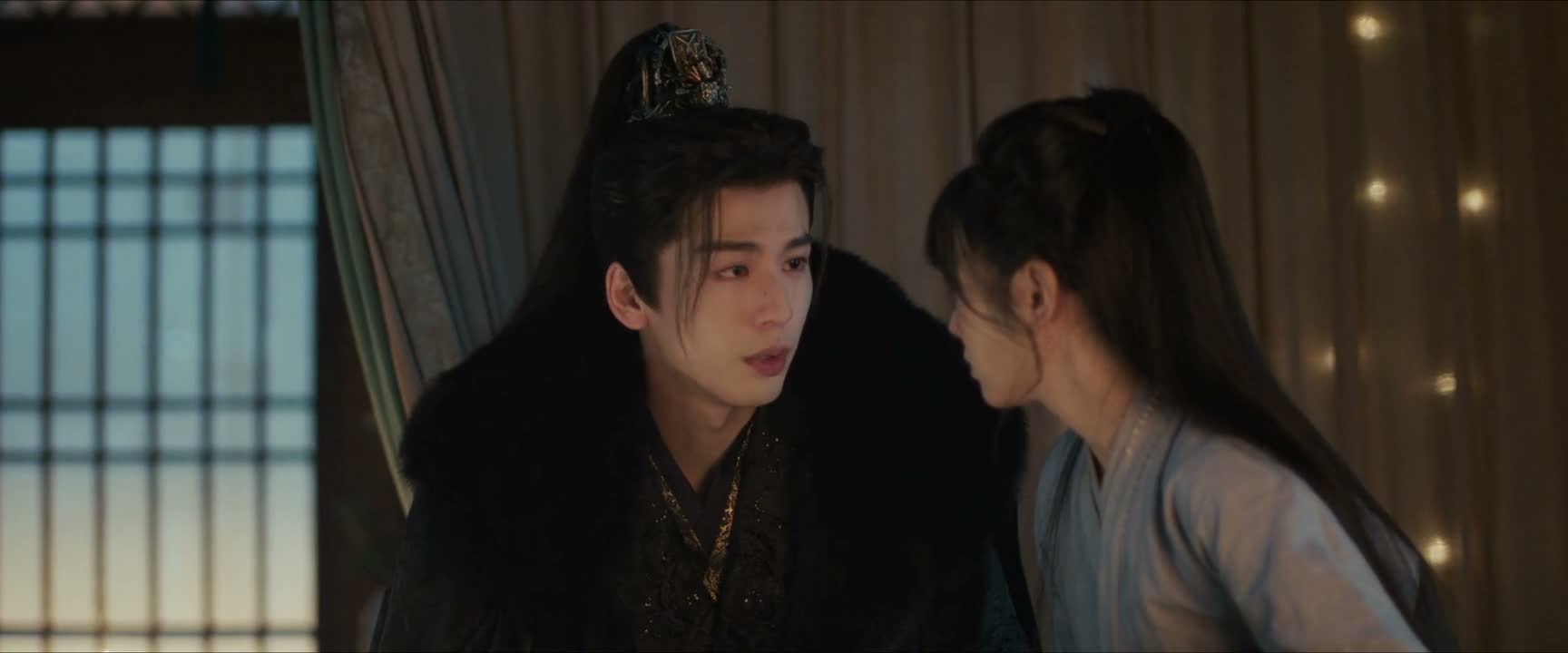
《Go Ahead》 S1·E32 (08:05) HSK 4
shì gāi dào lǎo jiā qù jì bài yī xià le

是该到老家去 祭拜一下了

“and it's time for me to come back and visit her tomb.”

《Go Ahead》 S1·E32
TIMECODE: 08:05 · 1080P MASTER AUDIO

THE DIALOGUE REEL

1+1+1 SPOKEN CONTINUITY
[-1] PREVIOUS TURN wǒ méi gǎn shàng tǐng yí hàn de

“when your grandma passed away”

shì gāi dào lǎo jiā qù jì bài yī xià le CURRENT FOCUS

是该 到老家去 祭拜一下 了

“and it's time for me to come back and visit her tomb.”

[+1] FOLLOW-UP TURN gàn má

干吗

“What?”

Subtitles synced to millisecond timecode Browse Show Clips →
Scene: Family & Home
Function: PROPOSING AN OBLIGATION
Tone: EARNEST
Emotion: REGRET
WHAT THEY REALLY MEAN (PRAGMATIC SUBTEXT)

Direct spoken expression in this communicative setting.

💡 Cultural Insight: Ancestor Worship (祭祖)

Visiting ancestral graves (祭拜) in one's native place (老家) is considered an essential moral obligation in Chinese society to show reverence and maintain ties with departed lineage.

INTENT TAGS: #filial_duty #reverence #proposal #tradition
🧩

LEARNING CHUNKS & PARTICLES

2 CHUNKS · 1 PARTICLES
老家 SPOKEN CHUNK

ancestral hometown; native place

Commonly used in spoken Chinese to refer to one's family roots or hometown where relatives reside.

祭拜 SPOKEN CHUNK

to worship; to pay respects to ancestors or deceased

A formal and solemn term used when honoring deceased relatives through traditional rituals.

Modal Particle「了」 (le) CHANGE OF STATE

Indicates a change of state or marks the arrival of an appropriate time to carry out the action.
🏮

VOCABULARY & EXPRESSIONS

2 EXPR · 0 GRAMMAR
CROSS-CINEMA CORPUS BOARD · PARALLEL SCENES

Parallel Spoken Cinema Scenes (语义近邻切片)

EXPLORE BY SEMANTIC SIMILARITY
《Go Ahead》 S1·E32 (08:05) · Authentic Cinema Dialogue Corpus