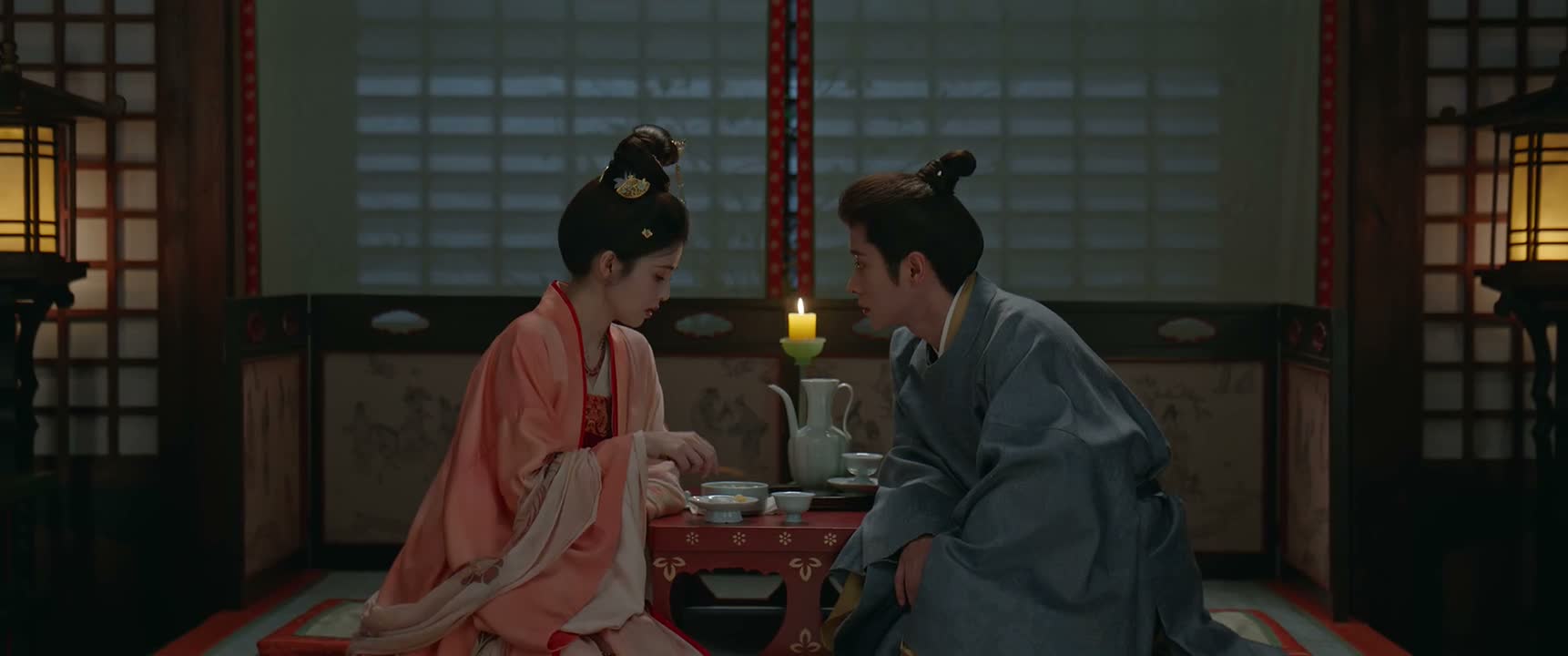
《Go Ahead》 S1·E6 (39:44)
HSK 3
bù ài gān jìng hái ài chuān bái sè de yǐ hòu nǐ zì jǐ xǐ
不爱干净还爱穿白色的 以后你自己洗
“You don't keep clean, but you like to wear white clothes. If you wash clothes by yourself,”
《Go Ahead》
S1·E6
TIMECODE: 39:44
·
1080P MASTER AUDIO
THE DIALOGUE REEL
[-1] PREVIOUS TURN
chuān shén me bái sè
穿什么白色
“Don't wear white clothes.”
bù ài gān jìng hái ài chuān bái sè de yǐ hòu nǐ zì jǐ xǐ
CURRENT FOCUS
不爱干净 还爱穿白色的 以后你 自己 洗
“You don't keep clean, but you like to wear white clothes. If you wash clothes by yourself,”
[+1] FOLLOW-UP TURN
xiǎng mǎi shén me yán sè dōu xíng
想买什么颜色都行
“you can buy clothes in whatever color you like.”
Subtitles synced to millisecond timecode
Browse Show Clips →
Scene:
Family & Home
Function:
SCOLDING AND NAGGING
Tone:
NAGGING
Emotion:
ANNOYANCE
WHAT THEY REALLY MEAN (PRAGMATIC SUBTEXT)
“Stop making extra work for me with easily stained clothes if you won't take care of them.”
💡 Cultural Insight: Parental Nagging (唠叨)
Chinese domestic dynamics often express concern and domestic labor fatigue through frank, direct nagging about practical matters like laundry.
INTENT TAGS:
#reprimand
#nagging
#boundary_setting
#frustration
🧩
2 CHUNKS · 0 PARTICLES
LEARNING CHUNKS & PARTICLES
爱干净
SPOKEN CHUNK
neat and clean; having good hygiene habits
Commonly used to describe someone who is meticulous about personal cleanliness or tidiness.
你自己洗
SPOKEN CHUNK
wash it yourself
A common dismissive phrase used by parents or partners when refusing to do laundry for someone.
🏮
2 EXPR · 0 GRAMMAR
VOCABULARY & EXPRESSIONS
COLLOQUIAL EXPRESSIONS:
CROSS-CINEMA CORPUS BOARD · PARALLEL SCENES
EXPLORE BY SEMANTIC SIMILARITY
Parallel Spoken Cinema Scenes (语义近邻切片)

《Go Ahead》 S1·E6 (39:44) · Authentic Cinema Dialogue Corpus