那火车慢得要命 跑不过你的外国马的
“The train is very slow. Your BMW is faster than it.”
THE DIALOGUE REEL
“What? The train will crash into me.”
那火车 慢得要命 跑不过你的外国马的
“The train is very slow. Your BMW is faster than it.”
等火车来 冲过去 是 大哥
“Rush over when the train comes. Yes, Brother.”
Direct spoken expression in this communicative setting.
In colloquial Mandarin, suffixing an adjective with '得要命' dramatically underscores an extreme state, functioning like 'to death' or 'terribly' in English.
LEARNING CHUNKS & PARTICLES
terribly slow; painfully slow
A strong hyperbolic pattern using '得要命' to emphasize extreme degree in spoken Chinese.
cannot outrun; unable to beat in speed
A potential complement indicating the inability of one subject to surpass another in running or driving.
Placed at the end of the clause to express strong certainty and reassure the listener.
VOCABULARY & EXPRESSIONS
Parallel Spoken Cinema Scenes (语义近邻切片)

“The train's exhausting and filthy. And over ten hours.”

“The carriage is quick, but we can take shortcuts on foot.”
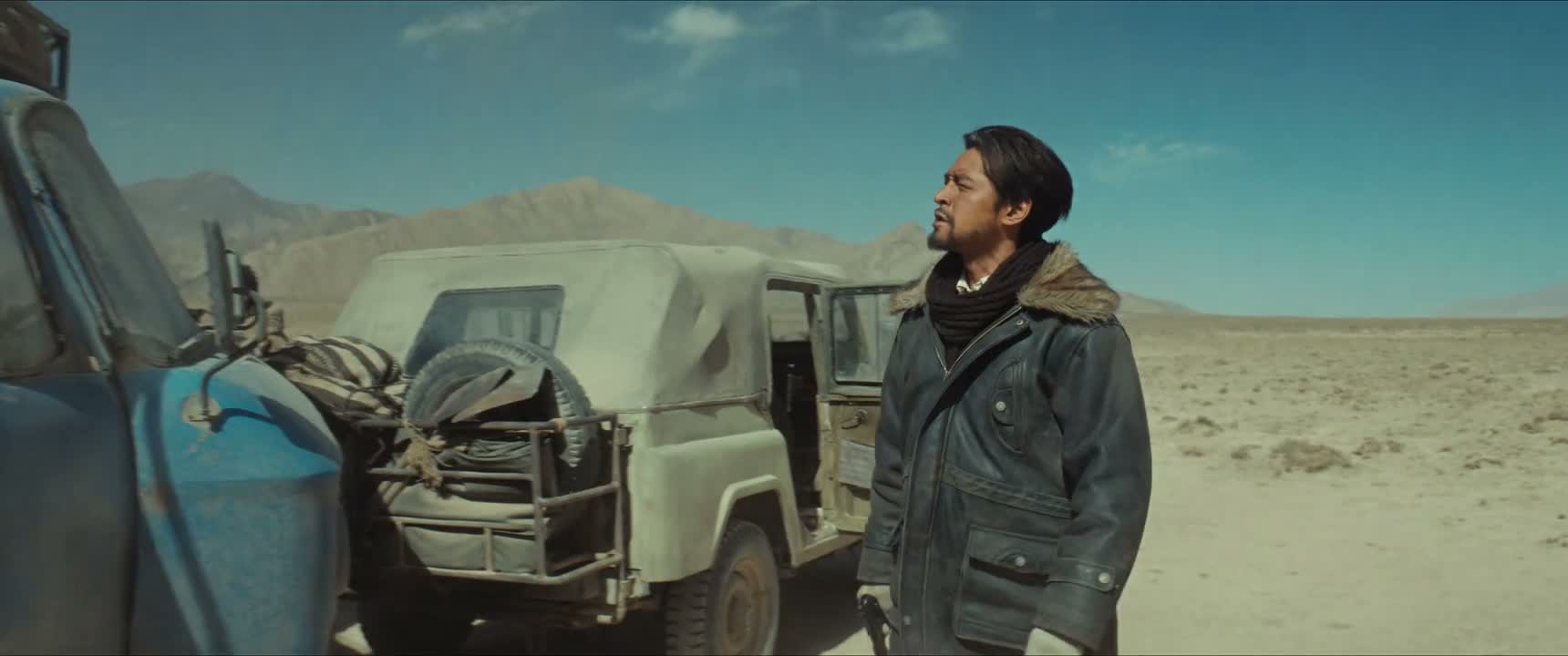
“Why run? Easy. Easy.”

“You're way too slow. I can't do it. Why should we cross this bridge? We could have taken a good path.”

“Ride slowly! Be careful on the road! Okay! Hyah!”

“I'll wreck whoever is too slow to leave!”