MC
MandarinClips Cinema Corpus
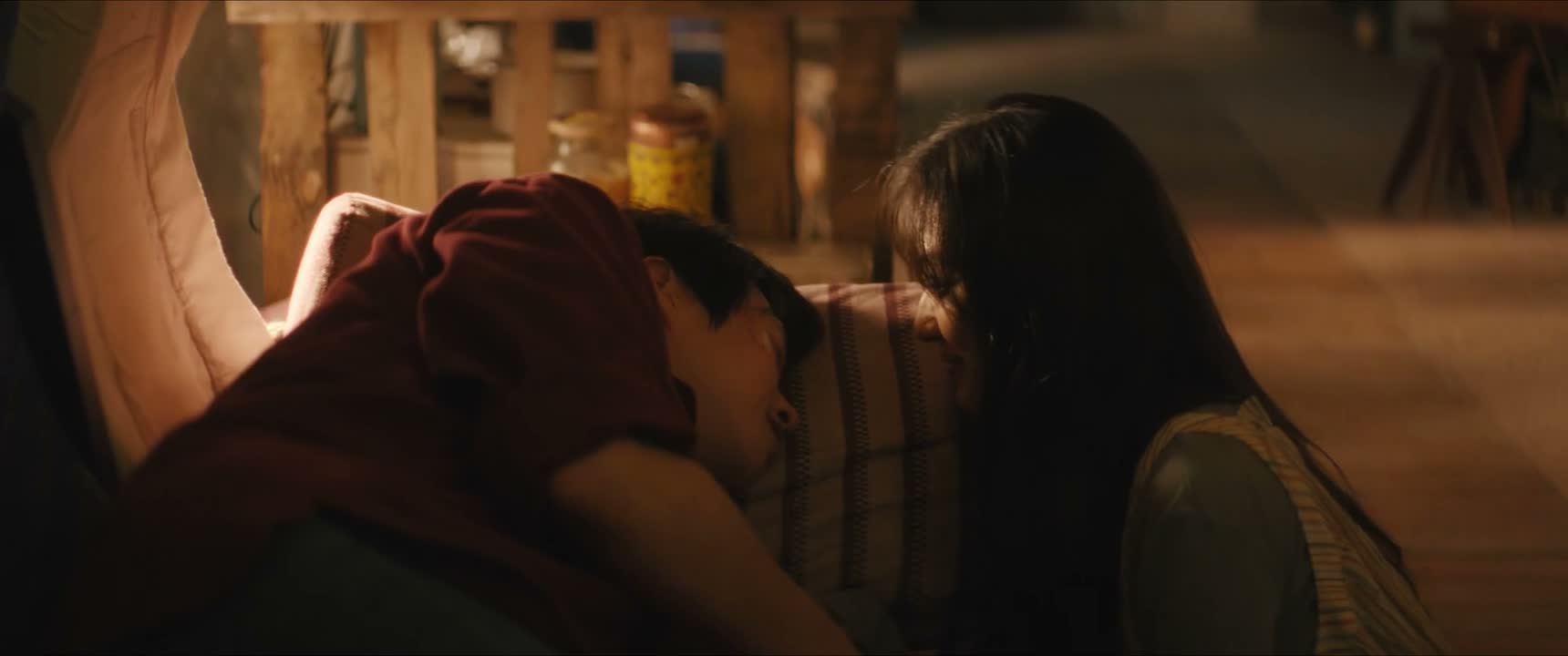
《Born to Be Alive》 S1·E13 (22:09) HSK 4
shuì le jiù xǐng bù guò lái le xǐng xǐng xǐng xǐng

睡了就醒不过来了 醒醒 醒醒

“If you sleep, you won't wake up again. Wake up. Wake up.”

《Born to Be Alive》 S1·E13
TIMECODE: 22:09 · 1080P MASTER AUDIO

THE DIALOGUE REEL

1+1+1 SPOKEN CONTINUITY
[-1] PREVIOUS TURN xǐng xǐng bù néng shuì

“Wake up. You can't sleep.”

shuì le jiù xǐng bù guò lái le xǐng xǐng xǐng xǐng CURRENT FOCUS

睡了就 醒不过来 了 醒醒 醒醒

“If you sleep, you won't wake up again. Wake up. Wake up.”

[+1] FOLLOW-UP TURN rè

热

“-It's hot. -What are you doing?”

Subtitles synced to millisecond timecode Browse Show Clips →
Scene: Medical & Health
Function: URGING ACTION
Tone: URGENT
Emotion: ANXIETY
WHAT THEY REALLY MEAN (PRAGMATIC SUBTEXT)

Direct spoken expression in this communicative setting.

💡 Cultural Insight: Crisis Vigilance in Extreme Exposure

In severe hypothermia or injury scenarios, falling asleep is universally recognized as the threshold of fatal coma; the desperate repetition of wake-up calls reflects an acute fight for survival.

INTENT TAGS: #emergency_revival #alarm #life_saving #pleading
🧩

LEARNING CHUNKS & PARTICLES

2 CHUNKS · 1 PARTICLES
醒不过来 SPOKEN CHUNK

unable to wake up

A potential complement structure used to describe severe loss of consciousness, coma, or death from sleep in extreme cold/injury.

醒醒 SPOKEN CHUNK

wake up

Used imperatively to rouse someone who is asleep, dozing off, or losing consciousness.

Modal Particle「了」 (le) CHANGE OF STATE

Used conditionally to mark the fatal consequence if the state of falling asleep occurs.
🏮

VOCABULARY & EXPRESSIONS

2 EXPR · 0 GRAMMAR
CROSS-CINEMA CORPUS BOARD · PARALLEL SCENES

Parallel Spoken Cinema Scenes (语义近邻切片)

EXPLORE BY SEMANTIC SIMILARITY
《Born to Be Alive》 S1·E13 (22:09) · Authentic Cinema Dialogue Corpus