你臊眉耷眼的给谁看哪
“Why are you giving me a long face?”
THE DIALOGUE REEL
放那儿吧
“Got it.”
你 臊眉耷眼 的给谁看哪
“Why are you giving me a long face?”
是不是也想说 因为赵玫丢了古斯特的项目 我认
“Do you also want to comment on how Zhao Mei made me lose the GST project? I admit it. She's my wife.”
“Stop moping around like a victim; your depressed attitude is irritating.”
Openly wearing a sulky or guilty face (臊眉耷眼) in shared spaces can be perceived as passive-aggressive or burdening others with negative energy.
LEARNING CHUNKS & PARTICLES
crestfallen; looking downcast and dejected
A vivid northern/Beijing colloquial idiom describing someone with drooping brows and eyes, looking sheepish or morose.
who are you putting this on for
A rhetorical challenge indicating that the other person's emotional display is unwanted, manipulative, or useless.
Used at the end of a rhetorical question to heighten emotional intensity and sharp criticism.
VOCABULARY & EXPRESSIONS
Parallel Spoken Cinema Scenes (语义近邻切片)
“Who are you pulling that long face for?”
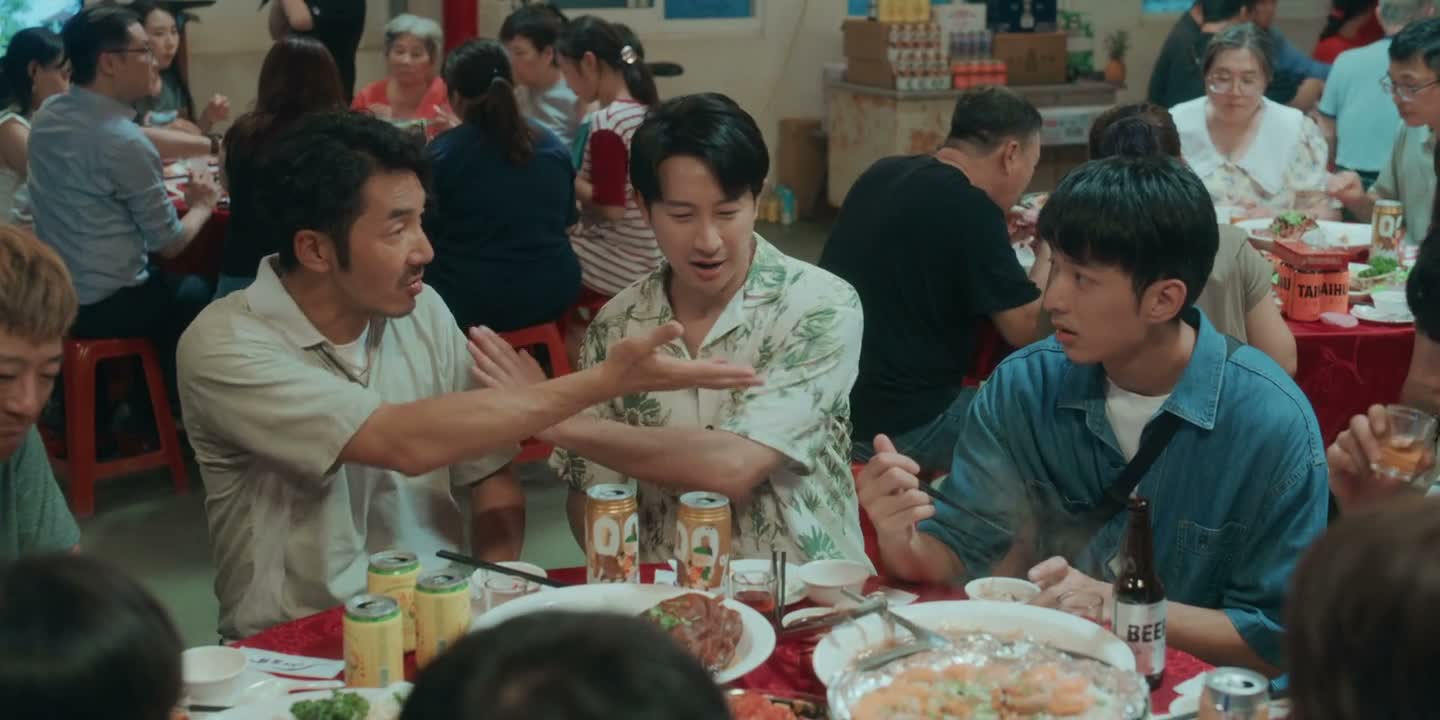
“What's with that face all day?”

“Who are you putting on this act for?”