你做这个样子给谁看呀
“Who are you putting on this act for?”
THE DIALOGUE REEL
手疼
“I can't go. My hand hurts.”
你做 这个样子 给谁看呀
“Who are you putting on this act for?”
谁欠你的呀
“No one owes you anything.”
“Stop playing the victim—nobody here feels sorry for you.”
In close Chinese familial or romantic ties, showing physical distress or sulking is often read as an indirect bid for emotional dominance, which can trigger sharp, impatient pushback.
LEARNING CHUNKS & PARTICLES
to put on such an expression or display; to act like this
Commonly used in spoken Chinese to criticize someone's sullen, self-pitying, or dramatic behavior.
for whose benefit; who are you trying to impress/manipulate
A rhetorical device used to dismiss someone's visible emotions or tantrums as performative.
Softens the phonetic harshness while carrying an exasperated, rhetorical questioning tone.
VOCABULARY & EXPRESSIONS
Parallel Spoken Cinema Scenes (语义近邻切片)

“[Ji Ze, Second-level Inspector of Provincial Commission for Discipline Inspection of Linjiang Province, Deputy Leader of the Provincial Education Rectification Guidance Group] Who do you want to impress by working so hard?”

“Why do you bother to be so sarcastic?”
“Who are you pulling that long face for?”
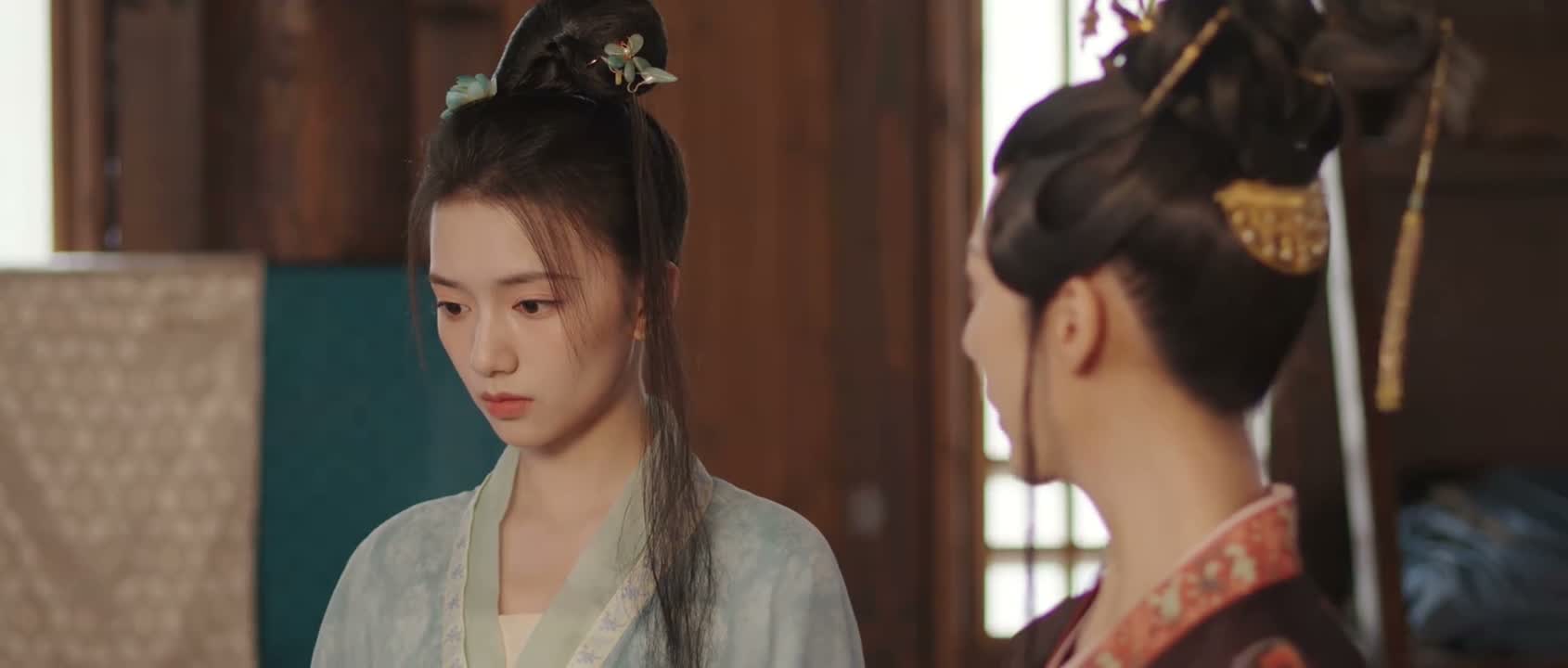
“Why wear that long face all day?”

“Why are you giving me a long face?”