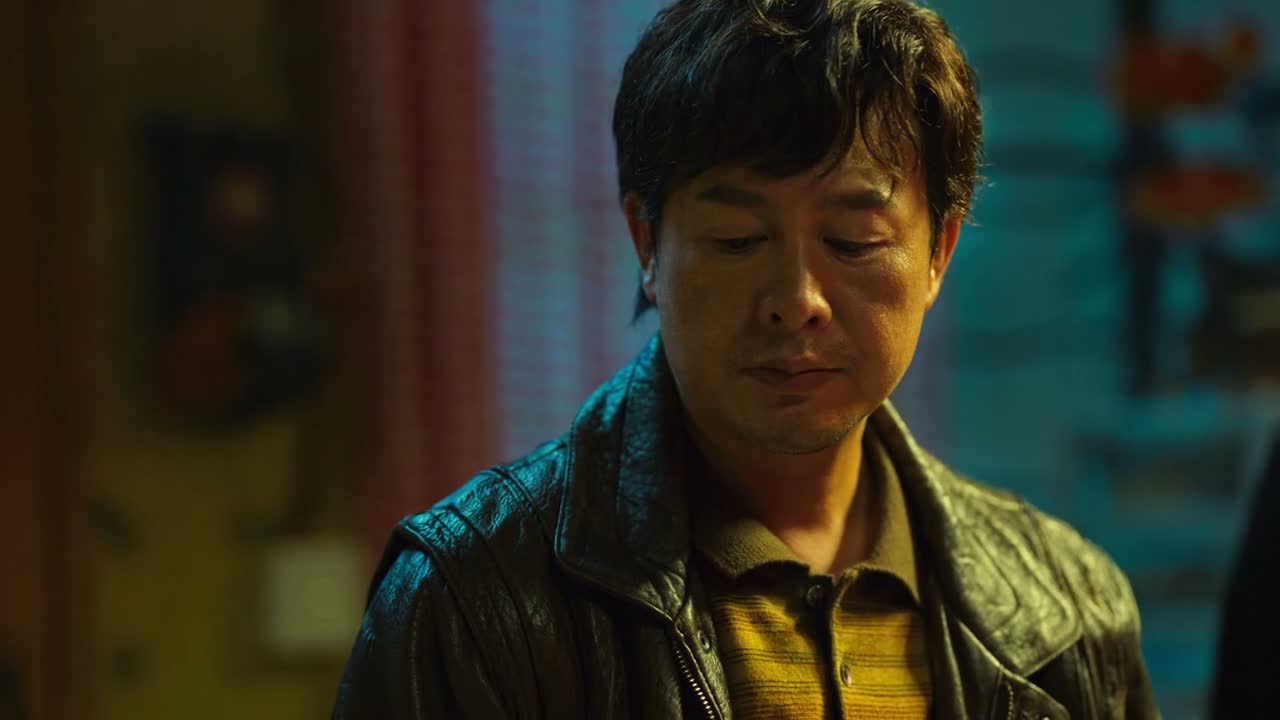
《Coroner's Diary》 S1·E18 (34:57)
HSK 3
nǐ kě zhī shì hé rén zài chàng
你可知是何人在唱
“Do you know who's singing?”
《Coroner's Diary》
S1·E18
TIMECODE: 34:57
·
1080P MASTER AUDIO
THE DIALOGUE REEL
[-1] PREVIOUS TURN
jiàn guò jiǔ niáng zǐ
见过九娘子
“Greetings, Miss Qin.”
nǐ kě zhī shì hé rén zài chàng
CURRENT FOCUS
你可知 是何人 在唱
“Do you know who's singing?”
[+1] FOLLOW-UP TURN
bù zhī dào
不知道
“I don't know.”
Subtitles synced to millisecond timecode
Browse Show Clips →
Scene:
Historical & Court
Function:
SEEKING INFORMATION
Tone:
CALM
Emotion:
CURIOSITY
WHAT THEY REALLY MEAN (PRAGMATIC SUBTEXT)
Direct spoken expression in this communicative setting.
💡 Cultural Insight: Period Drama Register (古装剧台词风格)
Historical dramas in Chinese frequently replace common modern interrogatives like '你知道' and '谁' with classical monosyllabic markers like '可知' and '何人' to establish an elevated, historical atmosphere.
INTENT TAGS:
#inquiry
#identifying
#questioning
🧩
2 CHUNKS · 0 PARTICLES
LEARNING CHUNKS & PARTICLES
你可知
SPOKEN CHUNK
do you know
A classic, slightly archaic phrasing used instead of the modern '你知道吗', common in period dramas.
何人
SPOKEN CHUNK
who / which person
A formal, classical equivalent of the spoken '谁', often used in literature and period scripts.
🏮
1 EXPR · 0 GRAMMAR
VOCABULARY & EXPRESSIONS
COLLOQUIAL EXPRESSIONS:
CROSS-CINEMA CORPUS BOARD · PARALLEL SCENES
EXPLORE BY SEMANTIC SIMILARITY
Parallel Spoken Cinema Scenes (语义近邻切片)
《Coroner's Diary》 S1·E18 (34:57) · Authentic Cinema Dialogue Corpus