一个废弃厂子附近 和金港完全两个方向
“near an abandoned factory. It's the opposite direction from Jingang.”
THE DIALOGUE REEL
贺武在干什么 他要去哪儿 我们现在跟到
“What is He Wu doing? Where is he going? We tracked him”
一个 废弃厂子 附近 和金港完全 两个方向
“near an abandoned factory. It's the opposite direction from Jingang.”
在城东北江路
“It's on Beijiang Road in the northeast.”
“He is not heading where we predicted—something fishy is going on.”
Adding '-子' to monosyllabic nouns (like '厂子' for '工厂') is characteristic of northern spoken Mandarin, lending immediacy and informal naturalness to speech.
LEARNING CHUNKS & PARTICLES
completely opposite directions / entirely different ways
Used colloquially to emphasize that two paths, ideas, or destinations have nothing in common.
abandoned factory
Casual spoken Chinese often uses '厂子' instead of the formal '工厂'.
VOCABULARY & EXPRESSIONS
Parallel Spoken Cinema Scenes (语义近邻切片)
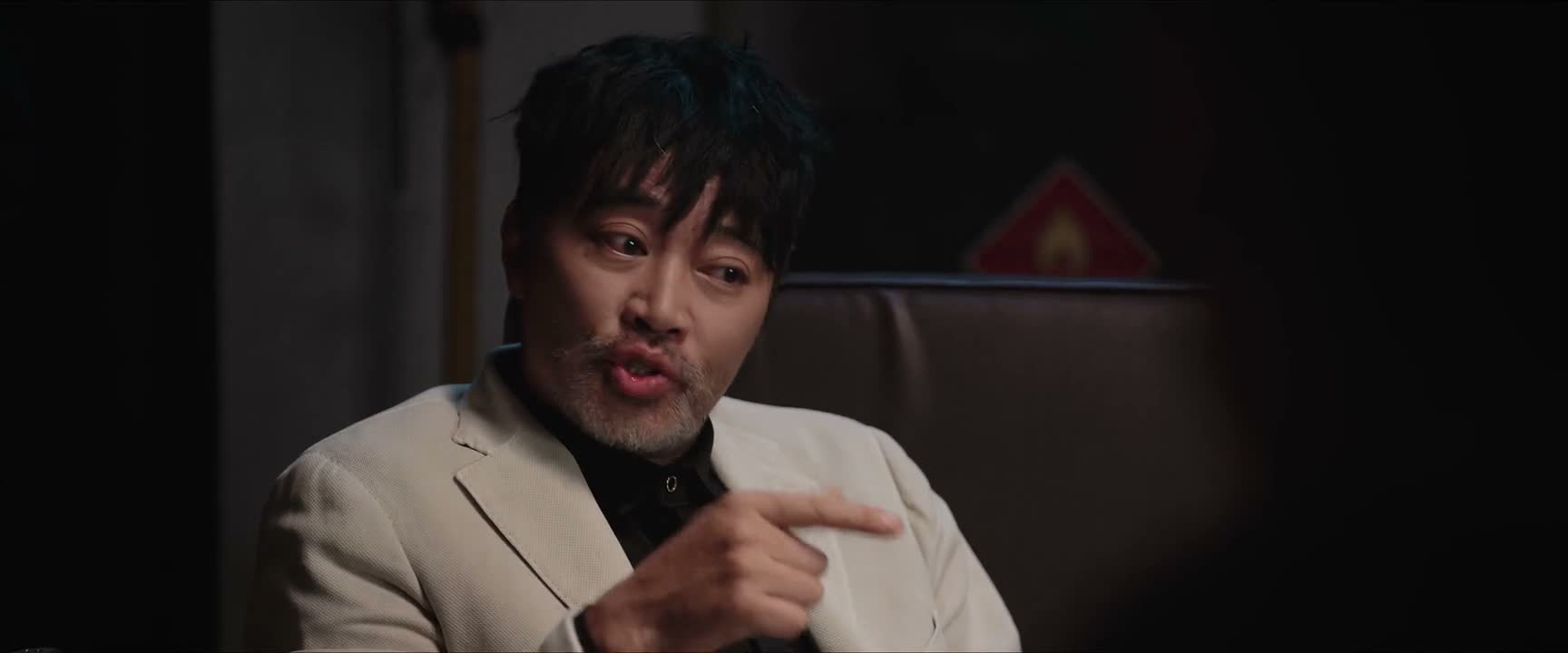
“a batch of goods will be shipped there tonight.”
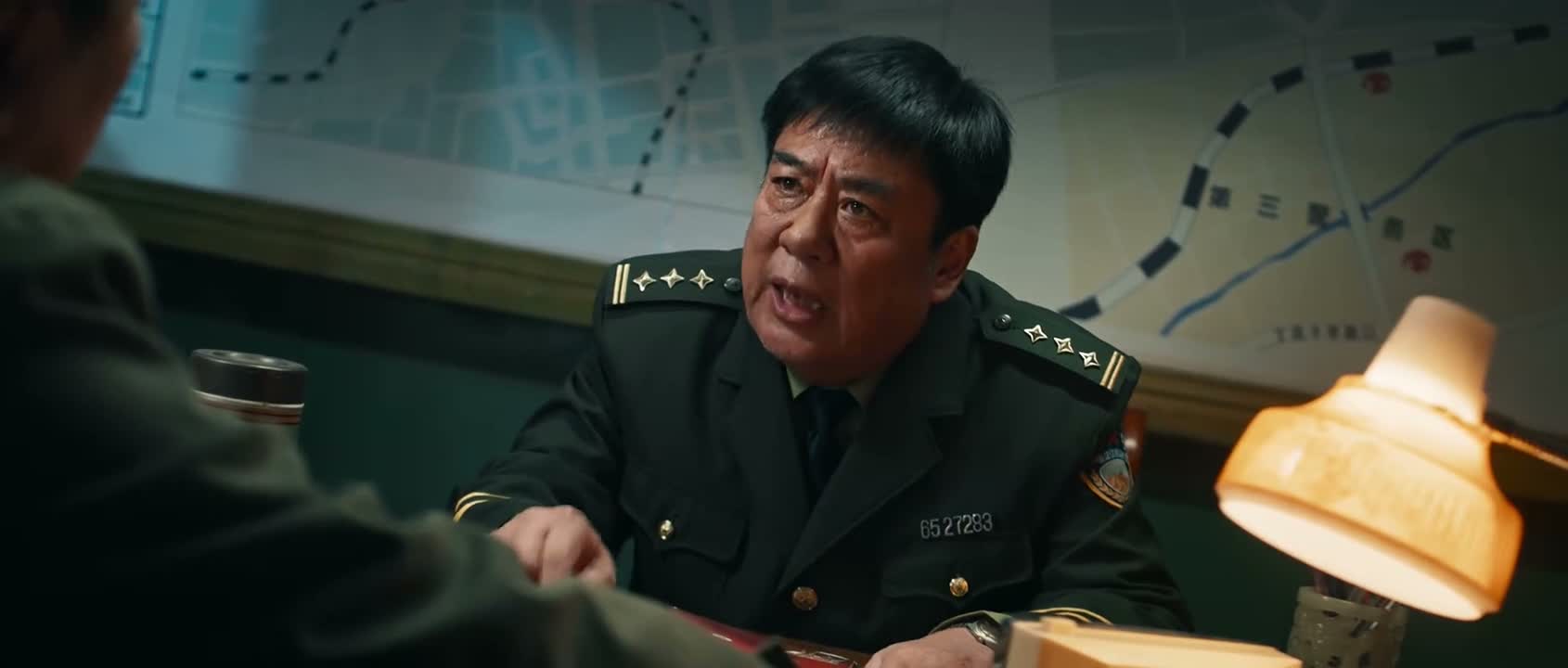
“established that connection in Jin'gang.”
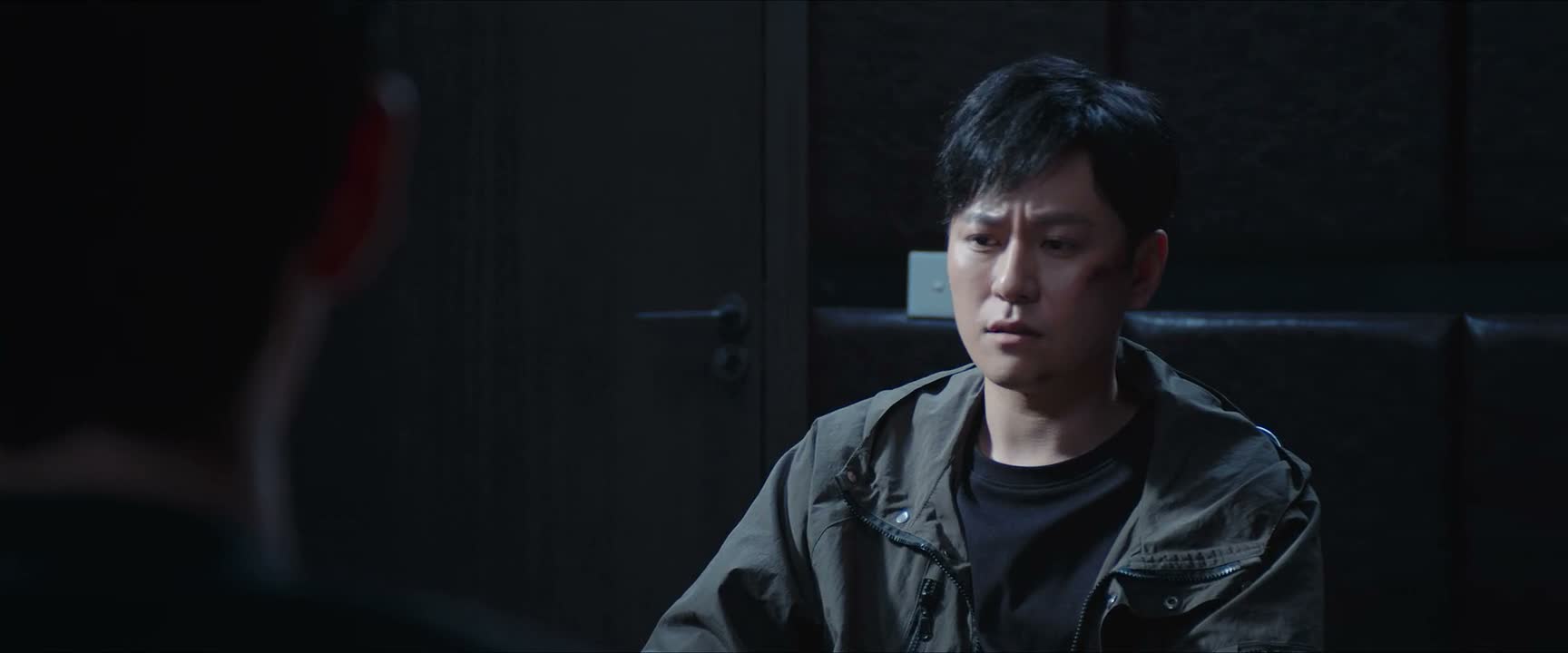
“It was only after coming to Jingang Wharf that I figured it out.”

“Must we demolish the factories on Binhai Road?”
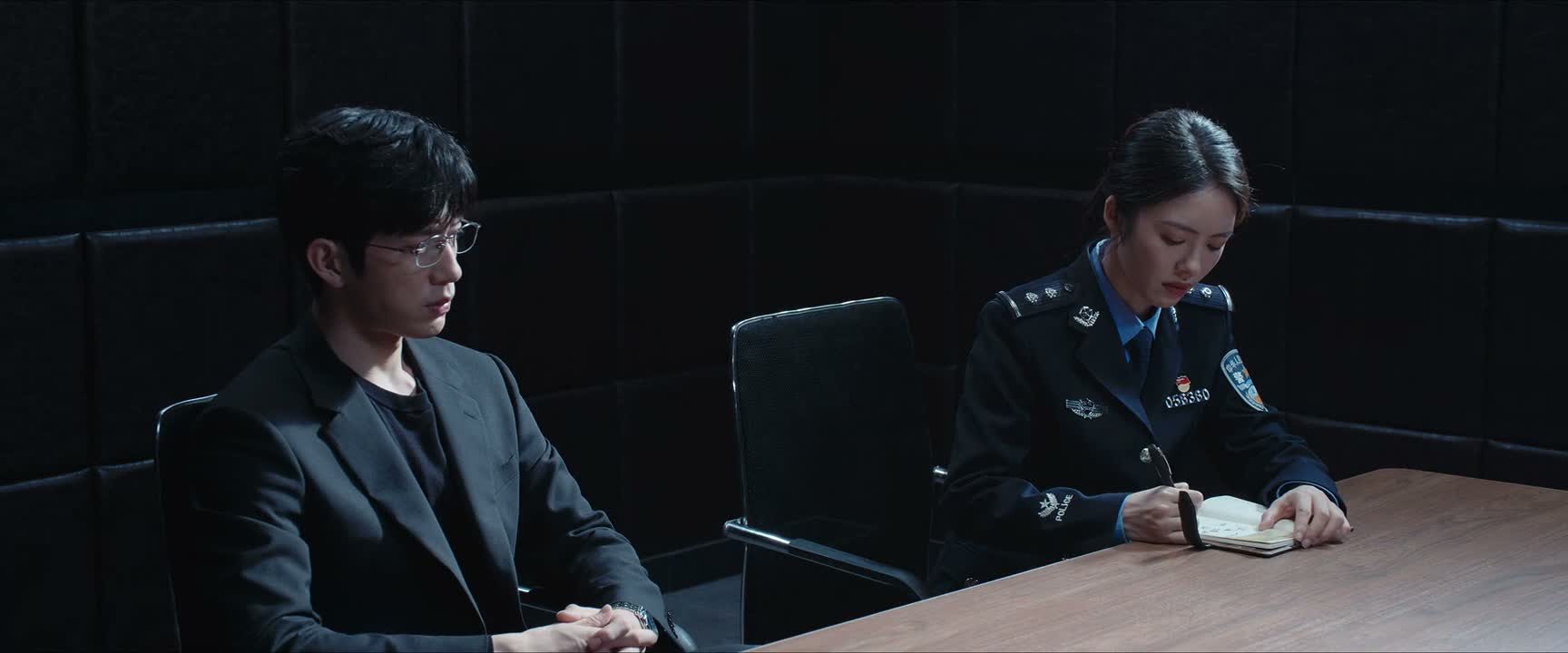
“After the Jingang Wharf deal, even though you sealed all the exits and mountain passes,”

“You were in Jinwan then too.”