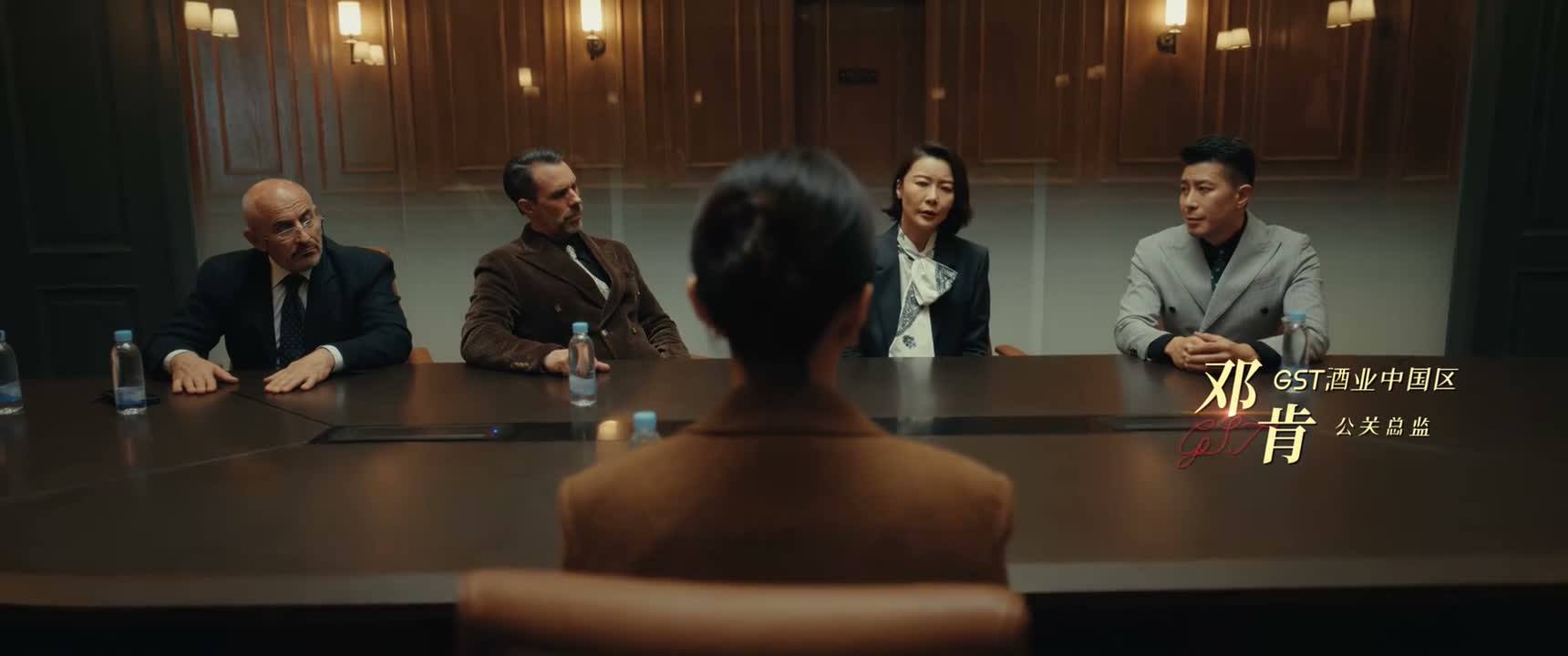
你当时不是也在金湾吗
“You were in Jinwan then too.”
THE DIALOGUE REEL
没什么新进展
“No new leads.”
你当时不是也在金湾吗
“You were in Jinwan then too.”
正好有时间的话
“If you've got time, I'd like to talk.”
“Since you were there at Jinwan too, you might know something and could help out.”
Chinese speakers often establish common ground first (e.g., 'you were there too,' 'if you happen to have time') as a natural pretext before asking for assistance or deepening a conversation, avoiding being abrupt or overly direct.
LEARNING CHUNKS & PARTICLES
A rhetorical question pattern used to confirm a known fact or remind the listener.
An extremely high-frequency rhetorical pattern in spoken Chinese, often used to tactfully remind the listener of something they already know or to reinforce confirmation.
If you happen to have free time.
Commonly used as a polite prelude before making a request or suggestion, ensuring it sounds considerate rather than imposing.
Placed at the end of a sentence to form a question or rhetorical question, working with 'bushi' to seek verification or serve as a reminder.