你当时不是在现场吗
“Weren't you there?”
THE DIALOGUE REEL
跟公司没关系
“We can be out of this.”
你当时 不是在现场吗
“Weren't you there?”
“How did Zeng Zixuan end up at the booth?”
“Stop pretending you don't know what happened—you witnessed everything with your own eyes.”
In Chinese institutional or interpersonal disputes, invoking personal presence ('在现场') strips the counterpart of their ability to claim plausible deniability.
LEARNING CHUNKS & PARTICLES
to be on the scene; present at the location
Commonly used in workplace, legal, or journalistic contexts to verify firsthand witness accounts.
isn't it the case that...
A standard rhetorical frame in Mandarin used to express doubt, remind the listener of an obvious fact, or press for admission.
Forms a rhetorical question that prompts the listener to admit an obvious fact.
VOCABULARY & EXPRESSIONS
Parallel Spoken Cinema Scenes (语义近邻切片)
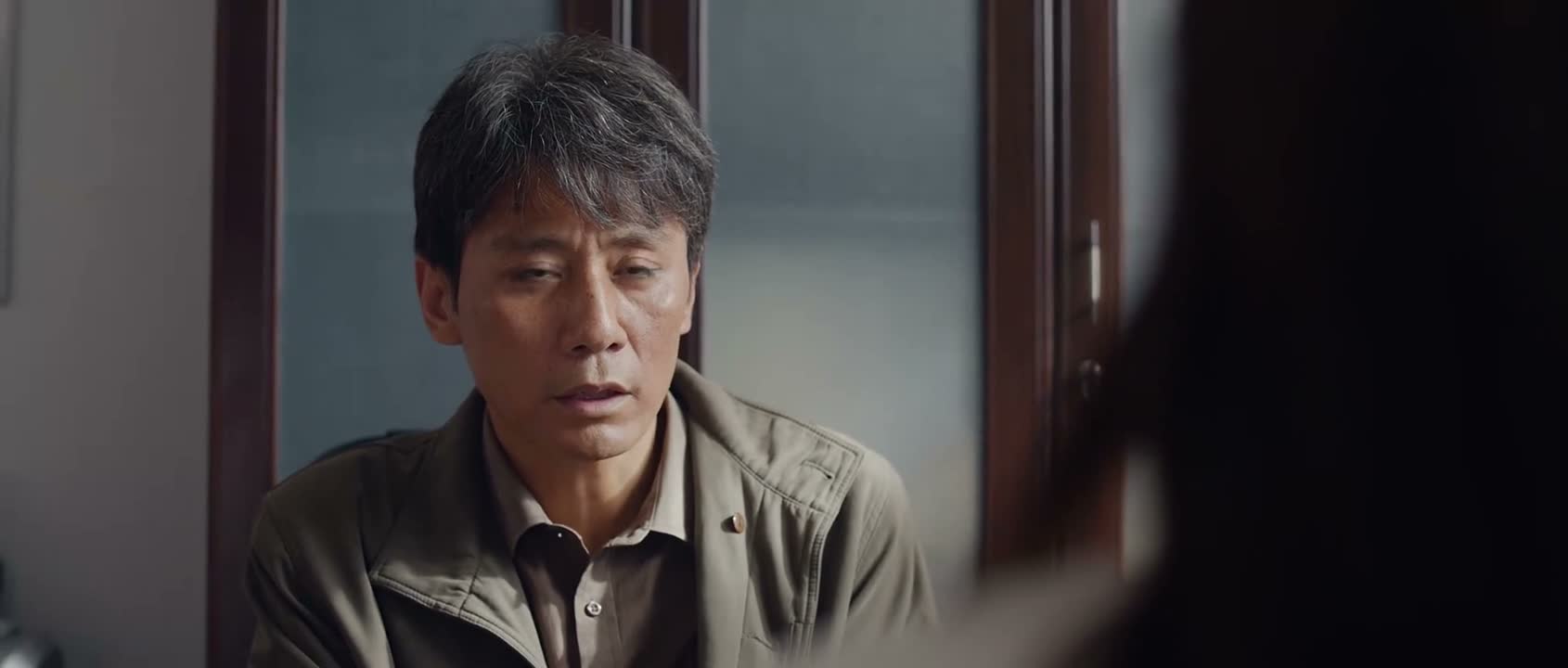
“Or perhaps you were actually at the scene?”

“You were in Jinwan then too.”

“you were there at the time? Telling you something that clearly doesn't help me, why would I?”