MC
MandarinClips Cinema Corpus
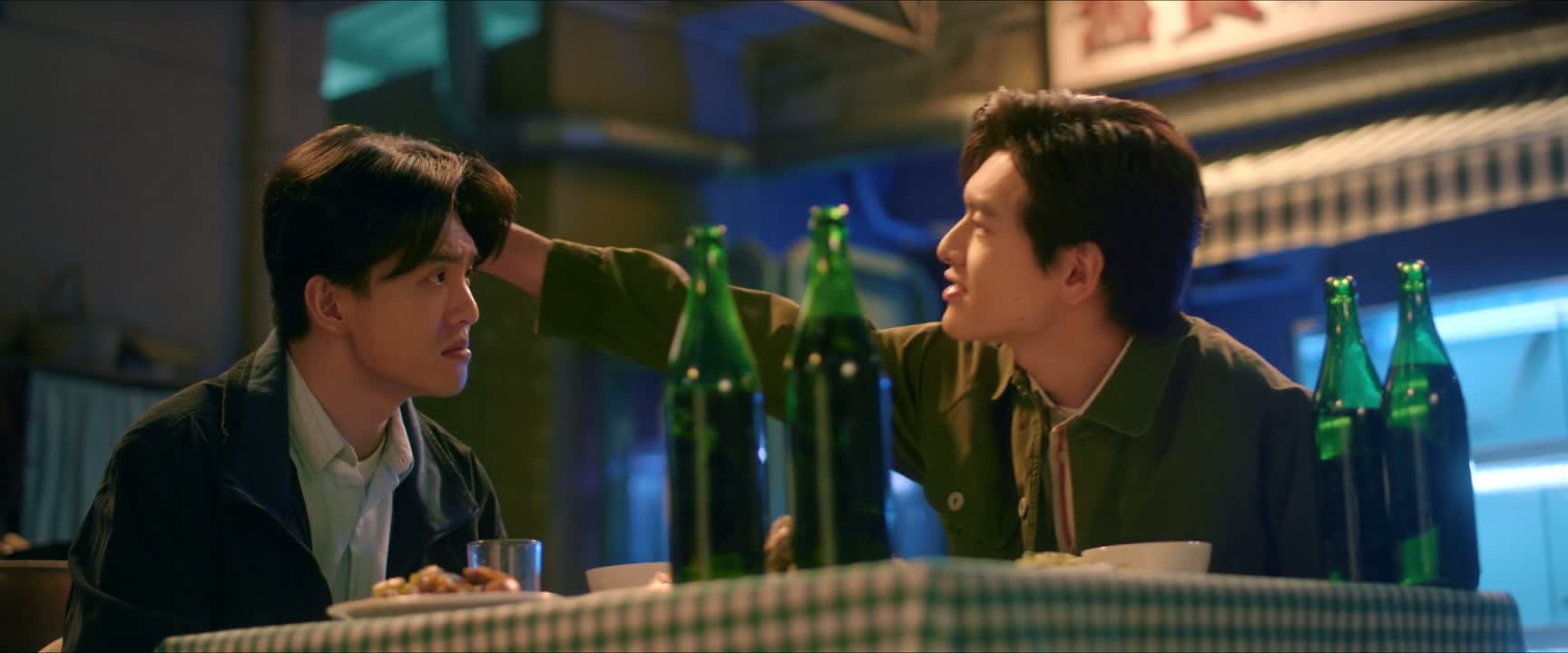
《Go Ahead》 S1·E31 (40:23) HSK 2
tā men qù qíng dòu ba nǐ kàn nǐ kàn nǐ kàn bù hǎo yì sī le hái

他们去情窦吧 你看你看你看 不好意思了还

“her loving eyes on. Well, well. He's embarrassed.”

《Go Ahead》 S1·E31
TIMECODE: 40:23 · 1080P MASTER AUDIO

THE DIALOGUE REEL

1+1+1 SPOKEN CONTINUITY
[-1] PREVIOUS TURN nǐ zhè bù néng dān wù rén jiā ràng tā zhǎo hé shì de tā men

你这不能耽误人家 让她找合适的 他们

“I shouldn't waste her time. Let her find a proper man to cast”

tā men qù qíng dòu ba nǐ kàn nǐ kàn nǐ kàn bù hǎo yì sī le hái CURRENT FOCUS

他们去情窦吧 你看你看 你看 不好意思 了还

“her loving eyes on. Well, well. He's embarrassed.”

[+1] FOLLOW-UP TURN xíng le nǐ jiù bié shuō lǐ bà le

行了 你就别说李爸了

“Enough, stop teasing Mr. Li.”

Subtitles synced to millisecond timecode Browse Show Clips →
Scene: Family & Home
Function: TEASING
Tone: TEASING
Emotion: AMUSEMENT
WHAT THEY REALLY MEAN (PRAGMATIC SUBTEXT)
“Look at you getting all shy! You can't hide it.”
💡 Cultural Insight: Affectionate Teasing (善意调侃)

In Chinese domestic culture, elders or close friends frequently tease each other about shyness or romantic sparks as a sign of warm intimacy.

INTENT TAGS: #teasing #calling_out #joking #poking_fun
🧩

LEARNING CHUNKS & PARTICLES

2 CHUNKS · 2 PARTICLES
不好意思了还 SPOKEN CHUNK

getting shy/embarrassed on top of it

A spoken inversion used playfully to call out someone acting coy or embarrassed.

你看你看 SPOKEN CHUNK

look, look

Repeated to draw immediate attention to someone's reaction or behavior in casual conversation.

Modal Particle「吧」 (ba) CHANGE OF STATE

Softens the suggestion or rhetorical guess.

Modal Particle「了」 (le) CHANGE OF STATE

Marks the sudden emergence of a new state (becoming shy).
🏮

VOCABULARY & EXPRESSIONS

2 EXPR · 0 GRAMMAR
CROSS-CINEMA CORPUS BOARD · PARALLEL SCENES

Parallel Spoken Cinema Scenes (语义近邻切片)

EXPLORE BY SEMANTIC SIMILARITY
《Go Ahead》 S1·E31 (40:23) · Authentic Cinema Dialogue Corpus