MC
MandarinClips Cinema Corpus
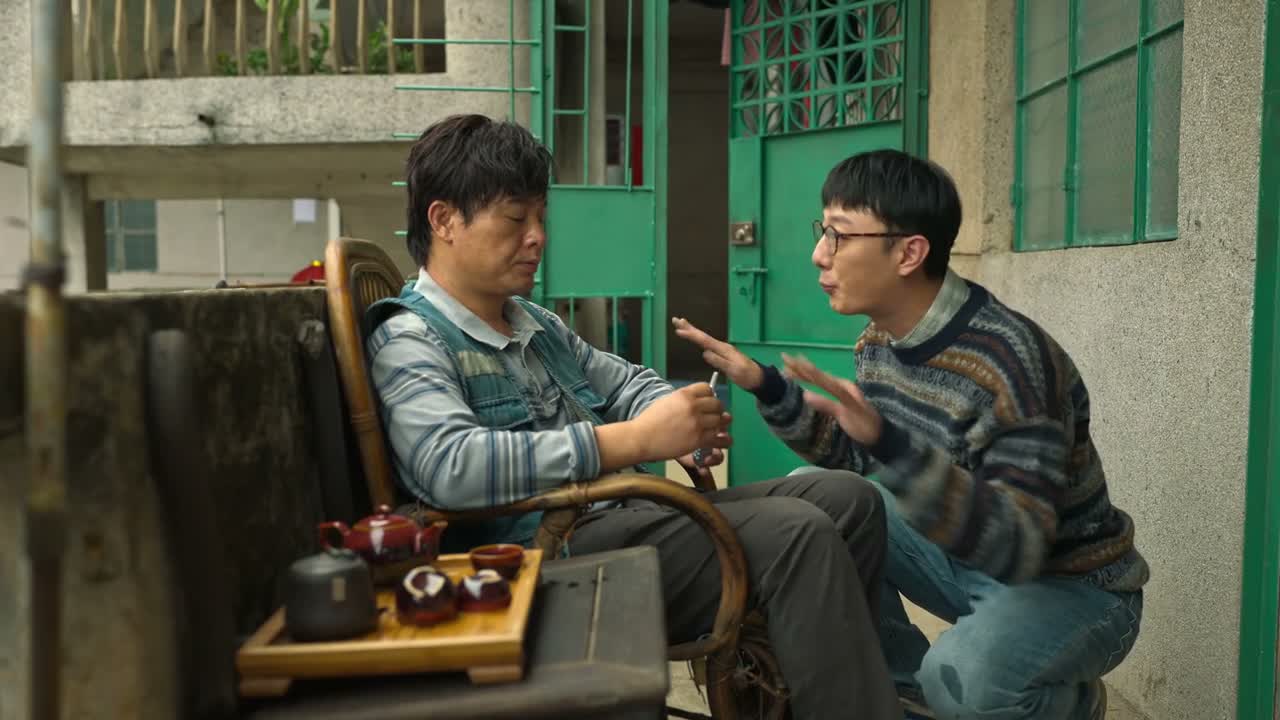
《The Dream Maker》 S1·E9 (34:28) HSK 4
bù shōu fèi xiāng lǐ xiāng qīn de shōu shén me fèi a

不收费 乡里乡亲的 收什么费啊

“No charge. People who come are all townsfolk.”

《The Dream Maker》 S1·E9
TIMECODE: 34:28 · 1080P MASTER AUDIO

THE DIALOGUE REEL

1+1+1 SPOKEN CONTINUITY
[-1] PREVIOUS TURN zhè ér dǎ diàn huà shōu fèi ma

这儿打电话收费吗

“Do you charge for calls here?”

bù shōu fèi xiāng lǐ xiāng qīn de shōu shén me fèi a CURRENT FOCUS

不收费 乡里乡亲 的 收什么费 啊

“No charge. People who come are all townsfolk.”

[+1] FOLLOW-UP TURN zhè dǎ dī shí jiān kě yě gòu zhǎng de a

“They tend to be long calls, huh?”

Subtitles synced to millisecond timecode Browse Show Clips →
Scene: Daily Life
Function: POLITE REFUSAL
Tone: CASUAL AND HOSPITABLE
Emotion: WARMTH
WHAT THEY REALLY MEAN (PRAGMATIC SUBTEXT)

Direct spoken expression in this communicative setting.

💡 Cultural Insight: Neighborhood Solidarity (乡情)

In traditional Chinese communities, charging neighbors for small conveniences violates relational ethics (Renqing), so waving fees reinforces community bonds.

INTENT TAGS: #refusing_payment #hospitality #bonding #community
🧩

LEARNING CHUNKS & PARTICLES

2 CHUNKS · 1 PARTICLES
乡里乡亲 SPOKEN CHUNK

fellow villagers; neighbors from the same local community

Used to evoke solidarity, mutual assistance, or justify not charging money between neighbors.

收什么费啊 SPOKEN CHUNK

why would I charge a fee?

A rhetorical question pattern ('V + 什么 + N + 啊') used to dismiss the idea of charging or taking money.

Modal Particle「啊」 (a) CHANGE OF STATE

Softens the rhetorical question and expresses warmth and informality.
🏮

VOCABULARY & EXPRESSIONS

2 EXPR · 1 GRAMMAR
CROSS-CINEMA CORPUS BOARD · PARALLEL SCENES

Parallel Spoken Cinema Scenes (语义近邻切片)

EXPLORE BY SEMANTIC SIMILARITY
《The Dream Maker》 S1·E9 (34:28) · Authentic Cinema Dialogue Corpus