明不明白我说什么来着
“Do you understand what I'm saying?”
THE DIALOGUE REEL
“Don't you understand why you're being told to stop? You...”
明不明白 我说什么来着
“Do you understand what I'm saying?”
你还打上鸣了你
“You crow like a rooster now?”
“You better listen carefully and do what I said, or face the consequences.”
Using affirmative-negative questions repeatedly in conflicts serves to corner the counterpart rhetorically and establish dominance.
LEARNING CHUNKS & PARTICLES
do you understand or not?
An affirmative-negative question form that carries an impatient, commanding, or sharp tone when directed at someone in a disagreement.
what did I say earlier?
Used to recall a prior statement, often used to scold or emphasize a point already made.
Indicates an action or state that recently took place in the past, often highlighting memory recall with exasperation.
VOCABULARY & EXPRESSIONS
Parallel Spoken Cinema Scenes (语义近邻切片)

“saying I don't know anything,”

“I genuinely don't get what you mean.”

“I have no idea what you're talking about.”
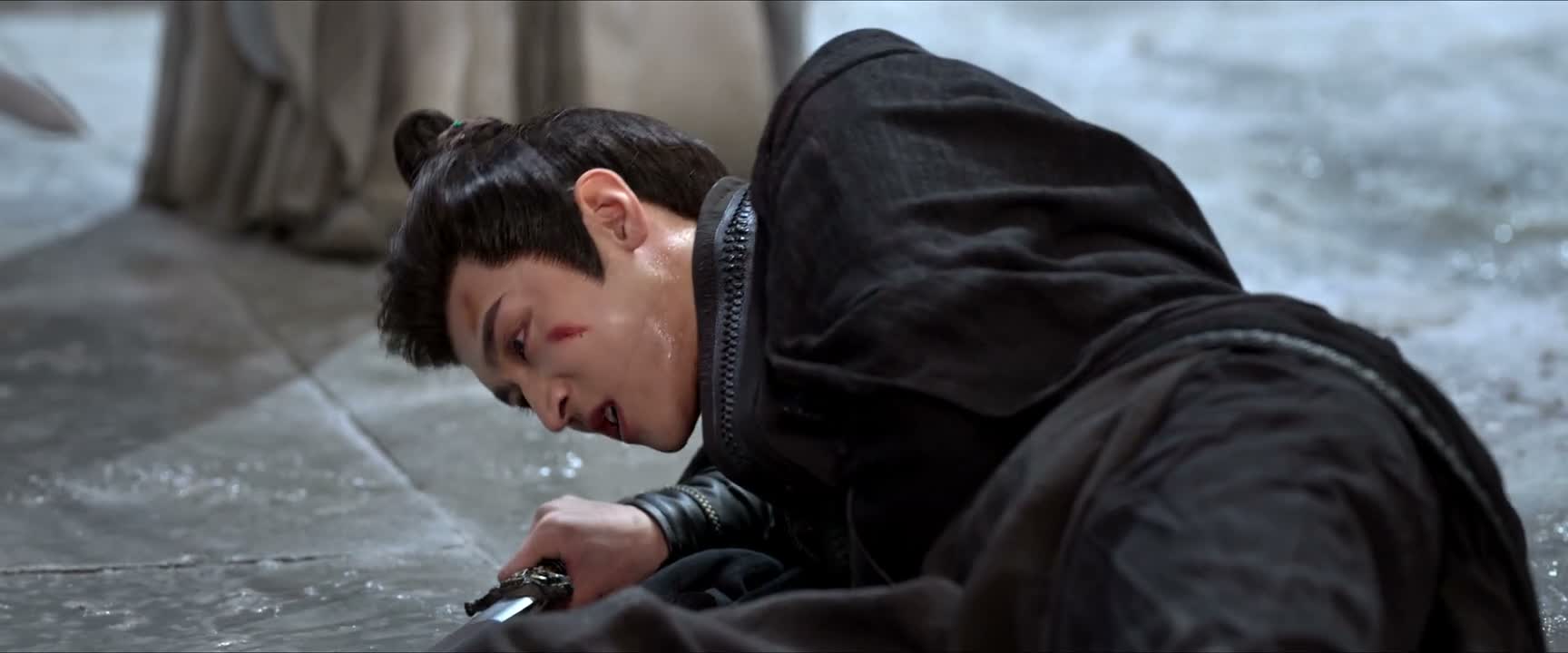
“I don't understand what you're saying.”

“I don't understand what you're talking about.”

“I don't know what you mean.”