MC
MandarinClips Cinema Corpus
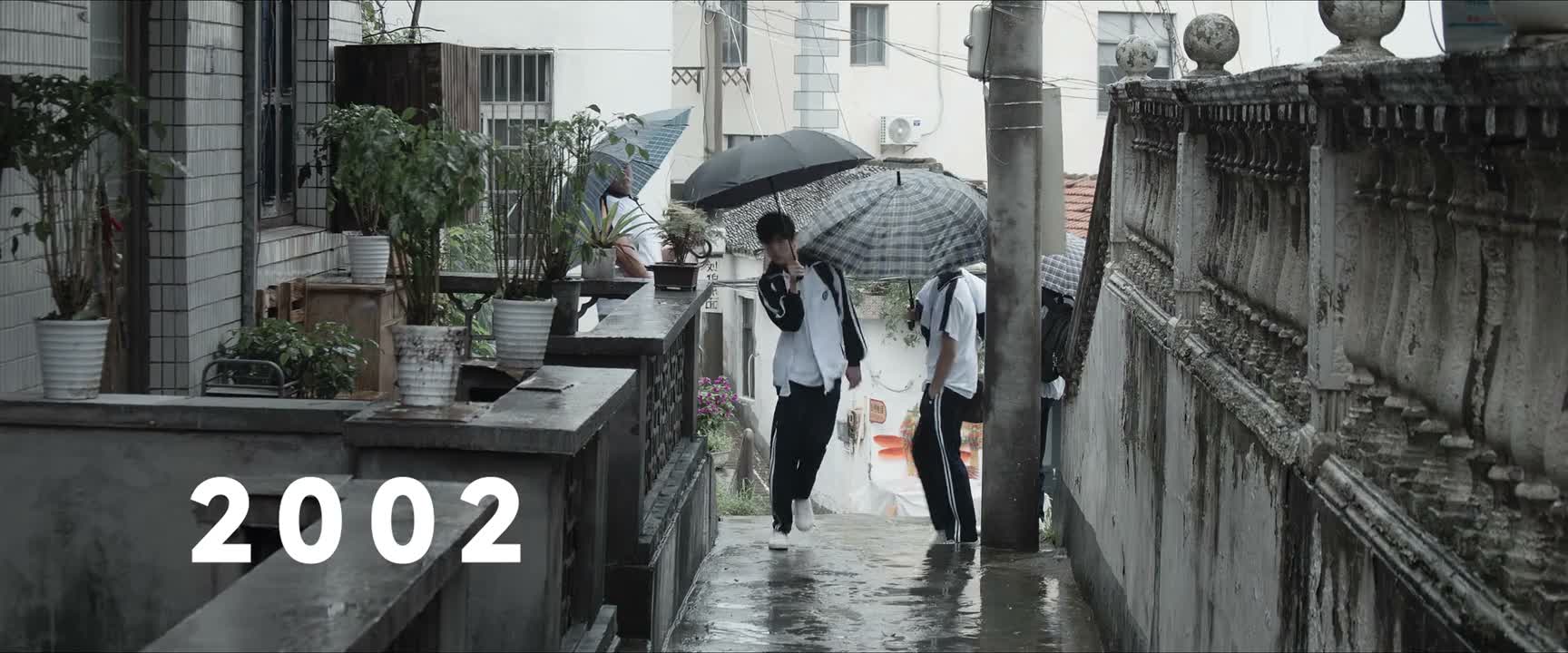
《Sunsets Secrets Regrets》 S1·E21 (28:22) HSK 1
jiāng hán shēng nǐ gěi wǒ zhàn zhù zěn me le

江寒声你给我站住 怎么了

“♪ I never want you to bear the pain ♪ Jiang Hansheng, don't you dare go! What happened?”

《Sunsets Secrets Regrets》 S1·E21
TIMECODE: 28:22 · 1080P MASTER AUDIO

THE DIALOGUE REEL

1+1+1 SPOKEN CONTINUITY
[-1] PREVIOUS TURN jiāng hán shēng

江寒声

“Jiang Hansheng!”

jiāng hán shēng nǐ gěi wǒ zhàn zhù zěn me le CURRENT FOCUS

江寒声 你给我站住 怎么了

“♪ I never want you to bear the pain ♪ Jiang Hansheng, don't you dare go! What happened?”

[+1] FOLLOW-UP TURN nǐ zàn shí hái bù kě yǐ lí kāi bìng fáng

你暂时还不可以离开病房

“♪ I never want you to bear the pain ♪ You can't leave the ward yet.”

Subtitles synced to millisecond timecode Browse Show Clips →
Scene: Medical & Health
Function: ISSUING COMMAND
Tone: IMPERATIVE AND URGENT
Emotion: ANXIETY
WHAT THEY REALLY MEAN (PRAGMATIC SUBTEXT)

Direct spoken expression in this communicative setting.

💡 Cultural Insight: Use of 'Gei' (给我) in Imperatives

Adding '给我' before an imperative verb phrase turns the command into a personal demand, signaling high urgency, authority, or exasperation.

INTENT TAGS: #halting #commanding #urgency #intervention
🧩

LEARNING CHUNKS & PARTICLES

2 CHUNKS · 1 PARTICLES
给我站住 SPOKEN CHUNK

stop right there / halt

A forceful spoken imperative using '给我' to emphasize authority, urgency, or impatience.

怎么了 SPOKEN CHUNK

what is wrong? / what happened?

Everyday question used to inquire about a sudden change in situation or someone's distressed behavior.

Modal Particle「了」 (le) CHANGE OF STATE

Functions as a modal particle marking an inquiry into a newly emerged state or situation.
🏮

VOCABULARY & EXPRESSIONS

2 EXPR · 0 GRAMMAR
CROSS-CINEMA CORPUS BOARD · PARALLEL SCENES

Parallel Spoken Cinema Scenes (语义近邻切片)

EXPLORE BY SEMANTIC SIMILARITY
《Sunsets Secrets Regrets》 S1·E21 (28:22) · Authentic Cinema Dialogue Corpus