MC
MandarinClips Cinema Corpus
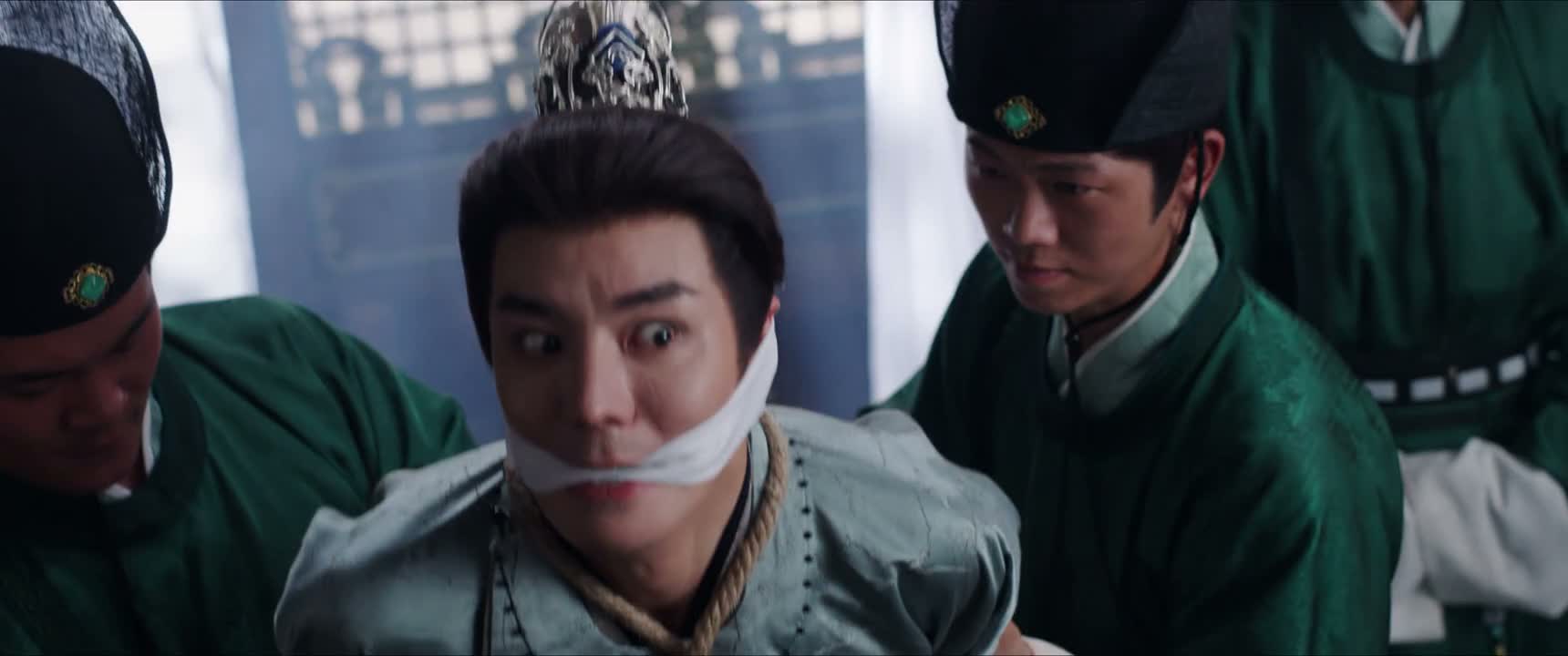
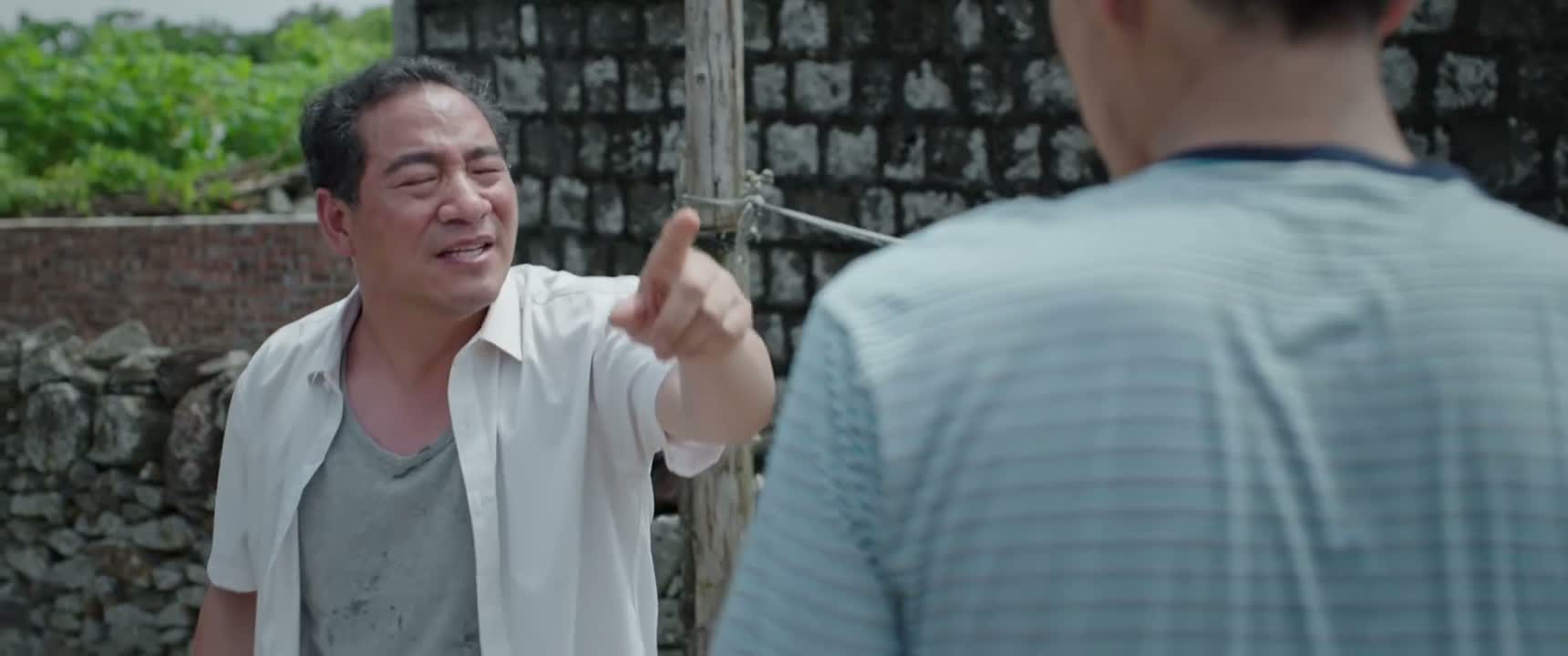
《The Truth》 S1·E30 (27:02) HSK 1
zhè èr shí jǐ nián lǐ yě méi shǎo zuò huài shì quē dé shì

这二十几年里也没少做坏事 缺德事

“Over these past twenty-plus years, I've done plenty of bad, rotten things.”

《The Truth》 S1·E30
TIMECODE: 27:02 · 1080P MASTER AUDIO

THE DIALOGUE REEL

1+1+1 SPOKEN CONTINUITY
[-1] PREVIOUS TURN wǒ cóng lái bú shì shén me hǎo rén

我从来不是什么好人

“I was never a good person.”

zhè èr shí jǐ nián lǐ yě méi shǎo zuò huài shì quē dé shì CURRENT FOCUS

这二 十几年 里也 没少做坏事 缺德事

“Over these past twenty-plus years, I've done plenty of bad, rotten things.”

[+1] FOLLOW-UP TURN běn lái jiù bú huì yǒu shén me hǎo xià chǎng

本来就不会有什么好下场

“I was never destined for a good end.”

Subtitles synced to millisecond timecode Browse Show Clips →
Scene: Crisis & Conflict
Function: SELF REPROACH
Tone: FATALISTIC
Emotion: RESIGNATION
WHAT THEY REALLY MEAN (PRAGMATIC SUBTEXT)
“I know I am guilty, so do not bother trying to lecture me or make me feel guilty—I expect my karma.”
💡 Cultural Insight: Karmic Retribution (Yinguo Baoying)

In Chinese culture, accumulating 'lack of virtue' (que de) leads to a bad ending (hao xiachang); acknowledging past misdeeds often reflects a cultural fatalism rooted in karmic consequences.

INTENT TAGS: #self_condemnation #fatalism #confession #defiance
🧩

LEARNING CHUNKS & PARTICLES

2 CHUNKS · 0 PARTICLES
也没少做 SPOKEN CHUNK

did plenty of / did no small amount of

A double negative pattern used in spoken Chinese to emphasize that one has engaged heavily in an action.

缺德事 SPOKEN CHUNK

wicked deeds / unscrupulous actions

A common colloquial phrase referring to morally bankrupt or harmful actions that violate basic decency.
🏮

VOCABULARY & EXPRESSIONS

3 EXPR · 0 GRAMMAR
CROSS-CINEMA CORPUS BOARD · PARALLEL SCENES

Parallel Spoken Cinema Scenes (语义近邻切片)

EXPLORE BY SEMANTIC SIMILARITY
《The Truth》 S1·E30 (27:02) · Authentic Cinema Dialogue Corpus