你们干的缺德事我不知道啊
“I know about that shady business you people run.”
THE DIALOGUE REEL
你再说
“Say that again?”
你们 干的 缺德事 我不知道啊
“I know about that shady business you people run.”
没钱 你 你蒙谁呢你啊 你过来
“No money? Who do you think you're fooling? Get over here.”
“Do you really think I'm blind to all the shady things you've pulled? Don't even try to play dumb with me.”
Traditional Chinese ethics places great value on 'accumulating virtue' (ji de). 'Que de' describes behavior that severely violates public morality or integrity, serving as a very strong moral condemnation in everyday colloquial speech.
LEARNING CHUNKS & PARTICLES
to do unscrupulous things that harm others for personal gain
Carries a very strong tone of condemnation in colloquial speech, often used to confront someone directly or curse their unethical behavior.
a rhetorical pattern meaning 'as if I didn't know' or 'I know full well'
Carries a strong rhetorical tone; literally phrasing a denial, but functionally used to expose someone's lie or cover-up to their face.
Used at the end of a rhetorical question to intensify the tone of questioning, provocation, and disdain.
VOCABULARY & EXPRESSIONS
Parallel Spoken Cinema Scenes (语义近邻切片)
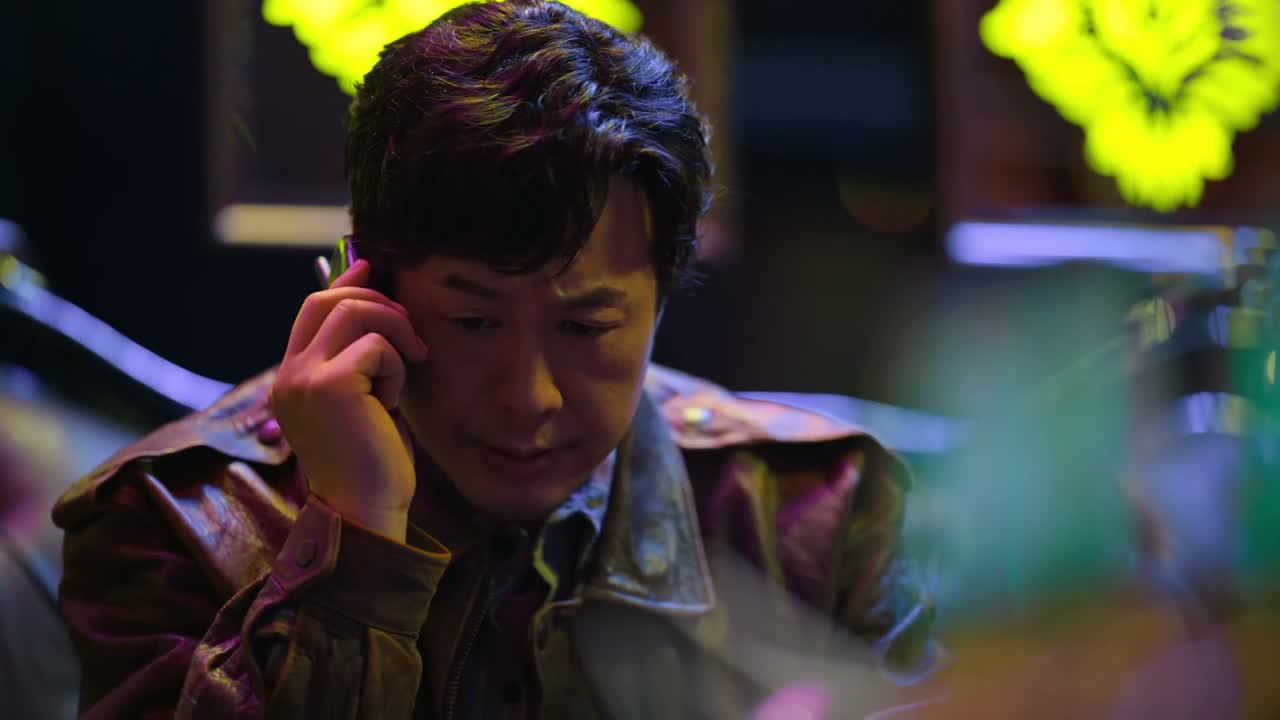
“I know every single thing you did.”

“[Waiting Area for Chengdu-Bound Passengers] You two know very well what dirty things you've done.”

“What are you doing? Shouldn't we at least ask them first?”

“They committed such utterly villainous acts and yet you claim to know nothing?”

“Then who was it? Who did it? - I don't know. - Who did it? It wasn't me.”
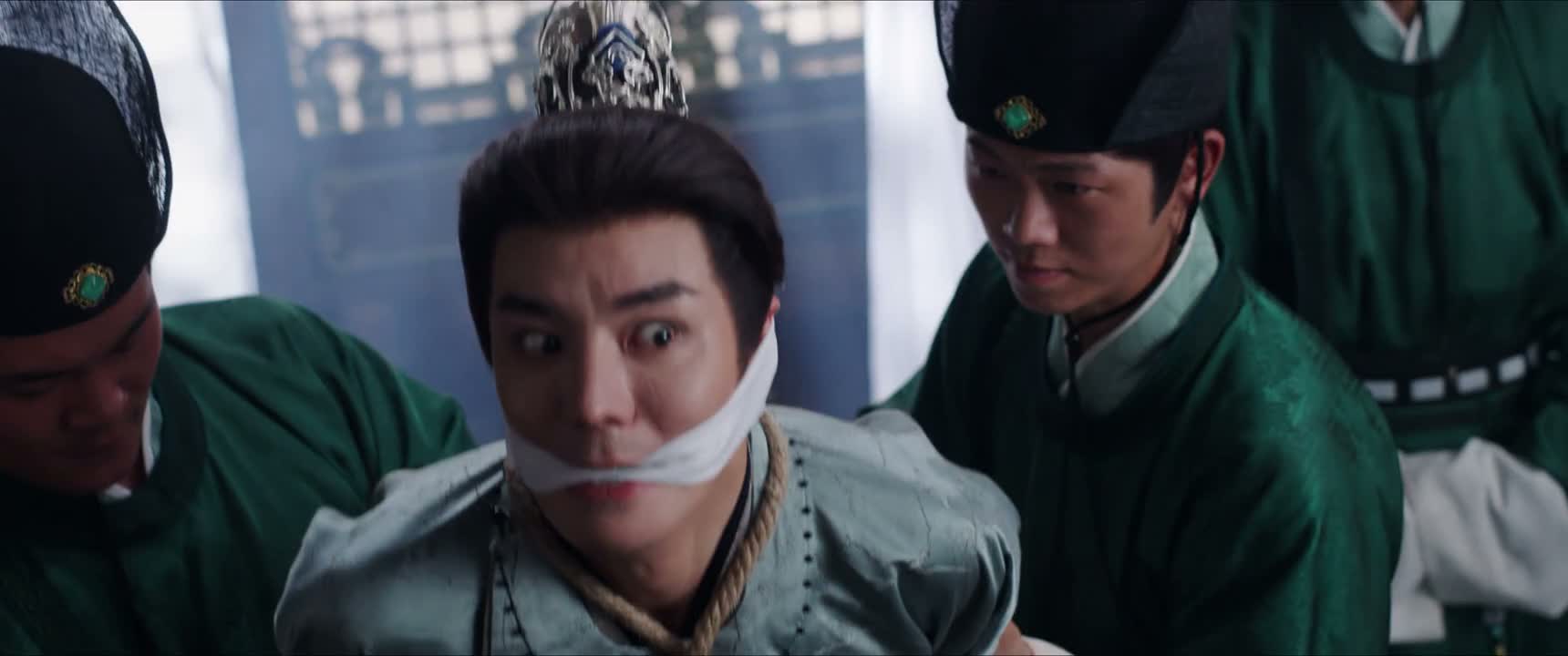
“You've committed many evil deeds.”

“Those dirty things you did”

“Over these past twenty-plus years, I've done plenty of bad, rotten things.”