我跟你说话呢 你写啥呢
“I'm talking to you. What are you writing?”
THE DIALOGUE REEL
何宇穹
“He Yuqiong.”
我跟你说话呢 你写啥呢
“I'm talking to you. What are you writing?”
写情书呢
“A love letter.”
“Pay attention to me instead of ignoring me to write!”
Close friends or peers in Chinese daily life speak very directly when feeling ignored, without the formal politeness markers typical of distant relationships.
LEARNING CHUNKS & PARTICLES
I'm talking to you
A common conversational phrase used to call someone out when they are not paying attention to what you are saying.
what are you writing?
Informal northern Mandarin using 'sha' instead of 'shenme' to ask what someone is writing.
Emphasizes ongoing action and adds an urgent, reproachful tone demanding attention.
VOCABULARY & EXPRESSIONS
Parallel Spoken Cinema Scenes (语义近邻切片)
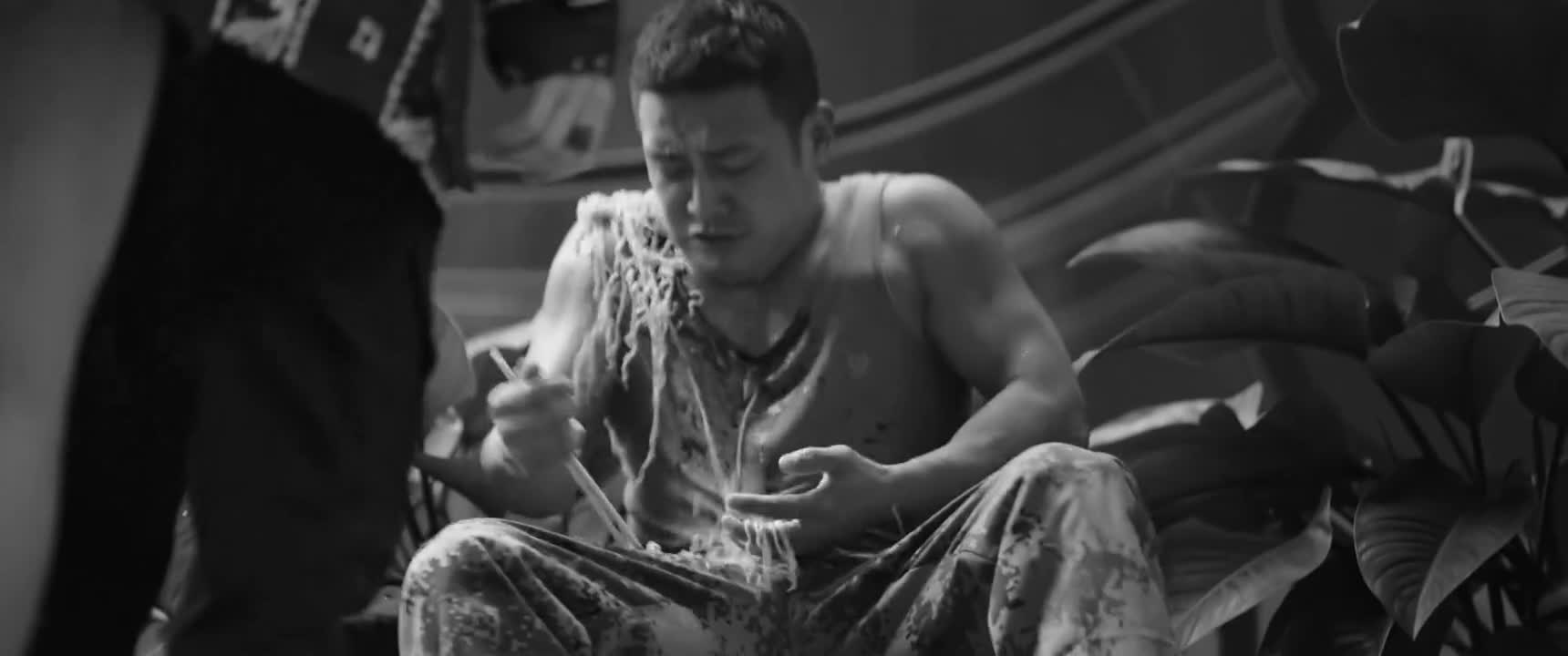
“I'm talking to you.”

“I'm talking to you. Don't you think so?”

“I'm talking to you! Can't you hear me?”

“I'm talking to you.”

“I'm talking to you. What are you thinking about?”

“I'm talking to you. I want to repay you. Do you hear me?”