MC
MandarinClips Cinema Corpus
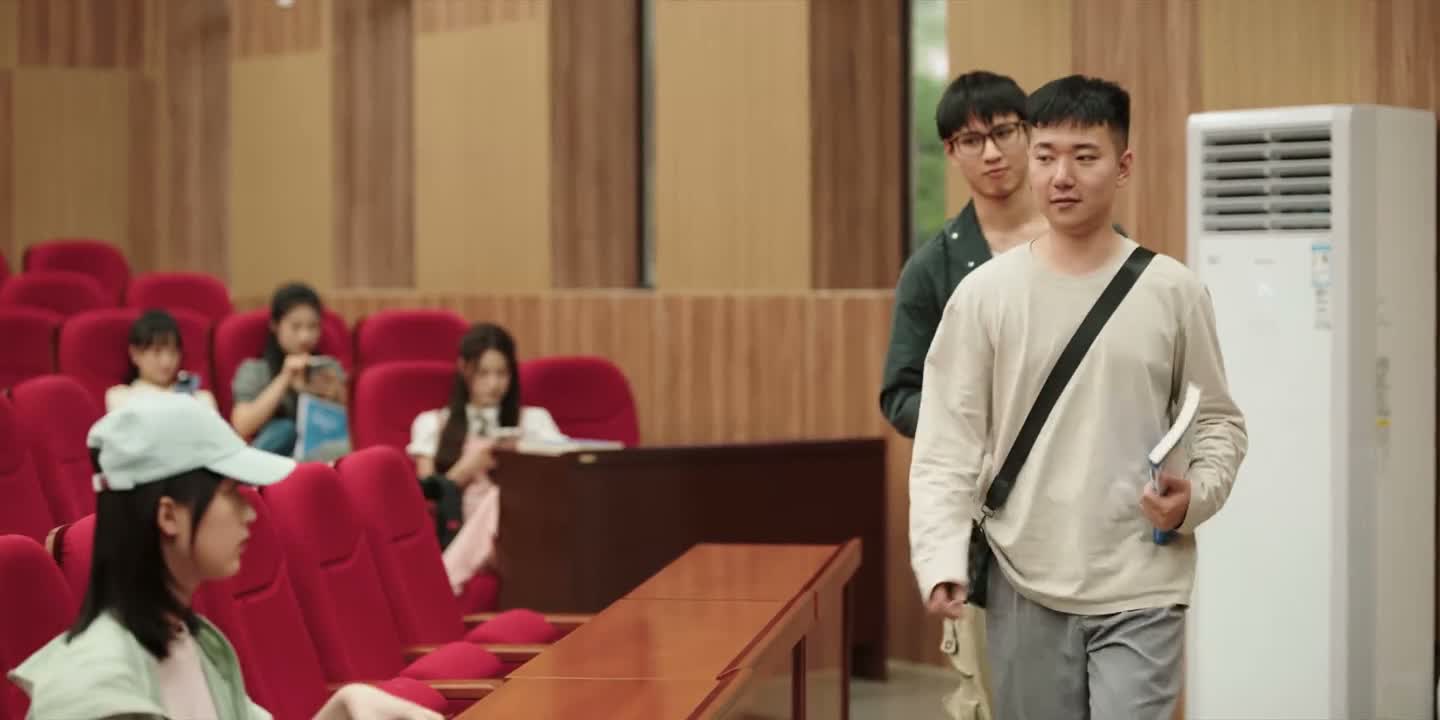
《Light to the Night》 S1·E10 (03:57) HSK 5
nǐ zào shén me yáo a ?

你造什么谣啊?

“What kind of nonsense is that?”

《Light to the Night》 S1·E10
TIMECODE: 03:57 · 1080P MASTER AUDIO

THE DIALOGUE REEL

1+1+1 SPOKEN CONTINUITY
[-1] PREVIOUS TURN shuō shén me ne ? fēng le ba nǐ ? zhè dà huó rén zài zhè ér zhàn zhe ne

说什么呢? 疯了吧你? 这大活人在这儿站着呢

“What are you on about? Have you lost your mind? He's standing right here.”

nǐ zào shén me yáo a ? CURRENT FOCUS

你 造什么谣 啊?

“What kind of nonsense is that?”

[+1] FOLLOW-UP TURN wǒ dǒng le

我懂了

“I get it. Officer He, you're messing with me, right?”

Subtitles synced to millisecond timecode Browse Show Clips →
Scene: Crisis & Conflict
Function: REBUKING ACCUSATION
Tone: CONFRONTATIONAL
Emotion: ANGER
WHAT THEY REALLY MEAN (PRAGMATIC SUBTEXT)
“Shut your mouth, stop making up absurd lies to slander me!”
💡 Cultural Insight: Calling Out Slander to Protect Face

In Chinese interpersonal conflict, accusing someone of 'zaoyao' (fabricating rumors) is a potent defensive tactic to immediately claim moral high ground and delegitimize the other party's words before onlookers.

INTENT TAGS: #accusation #counterattack #rejection #defensiveness
🧩

LEARNING CHUNKS & PARTICLES

2 CHUNKS · 1 PARTICLES
造谣 SPOKEN CHUNK

to spread rumors, to fabricate falsehoods

A strong verb used in confrontations to accuse someone of inventing malicious lies.

……什么……啊 SPOKEN CHUNK

What are you even [doing]? / Stop [doing that]!

A common colloquial rhetorical pattern used to express annoyance, dismissiveness, or strong objection to someone's action.

Modal Particle「啊」 (a) CHANGE OF STATE

Adds emotional intensity, sharpness, and exasperation to the rhetorical question.
🏮

VOCABULARY & EXPRESSIONS

1 EXPR · 0 GRAMMAR
COLLOQUIAL EXPRESSIONS:
CROSS-CINEMA CORPUS BOARD · PARALLEL SCENES

Parallel Spoken Cinema Scenes (语义近邻切片)

EXPLORE BY SEMANTIC SIMILARITY
《Light to the Night》 S1·E10 (03:57) · Authentic Cinema Dialogue Corpus