《Love Story in the 1970s》 S1·E13 (09:01)
HSK 1
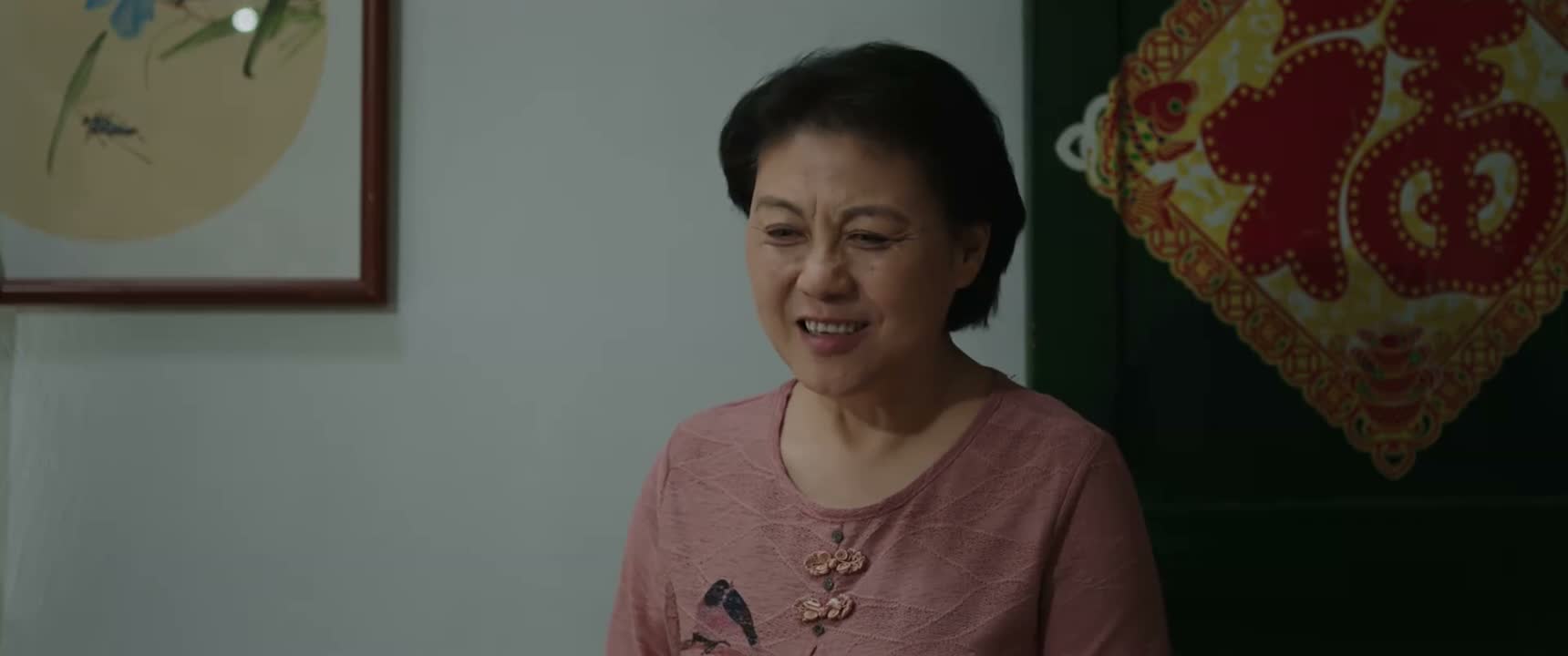
fāng mù yáng nǐ zhè dōu bù hài sào nǐ zěn me
方穆扬你这都不害臊你怎么
“Fang Muyang, show some manners.”
《Love Story in the 1970s》
S1·E13
TIMECODE: 09:01
·
1080P MASTER AUDIO
THE DIALOGUE REEL
[-1] PREVIOUS TURN
hǎo le nǐ bié shuō le
好了你别说了
“Okay, stop explaining.”
fāng mù yáng nǐ zhè dōu bù hài sào nǐ zěn me
CURRENT FOCUS
方穆扬你这都 不害臊 你 怎么
“Fang Muyang, show some manners.”
[+1] FOLLOW-UP TURN
wǒ hài sào shén me
我害臊什么
“What's wrong?”
Subtitles synced to millisecond timecode
Browse Show Clips →
Scene:
Social & Dating
Function:
CHIDING
Tone:
TEASINGLY REPROACHFUL
Emotion:
EMBARRASSMENT
WHAT THEY REALLY MEAN (PRAGMATIC SUBTEXT)
“You are making me blush and you are totally shameless for saying that!”
💡 Cultural Insight: Bashfulness in Intimate Exchanges
Accusing someone of not feeling ashamed (不害臊) often serves as a playful, coquettish defense when private topics are discussed too bluntly.
INTENT TAGS:
#teasing
#reproach
#bashfulness
#boundary_setting
🧩
1 CHUNKS · 0 PARTICLES
LEARNING CHUNKS & PARTICLES
害臊
SPOKEN CHUNK
to feel ashamed; to be shy or embarrassed
A colloquial northern term commonly used to tease someone for being shameless or blushing.
🏮
2 EXPR · 0 GRAMMAR
VOCABULARY & EXPRESSIONS
COLLOQUIAL EXPRESSIONS:
CROSS-CINEMA CORPUS BOARD · PARALLEL SCENES
EXPLORE BY SEMANTIC SIMILARITY
Parallel Spoken Cinema Scenes (语义近邻切片)
《Love Story in the 1970s》 S1·E13 (09:01) · Authentic Cinema Dialogue Corpus