哥 你提什么王腾达呀 这有他什么事
“Song, why bring up Wang Tengda? Leave him out of this.”
THE DIALOGUE REEL
“how can a milk station compare to the transport team? Can he compare?”
哥 你 提什么 王腾达呀 这有他什么事
“Song, why bring up Wang Tengda? Leave him out of this.”
费霆
“Fei Ting,”
“Stop dragging him into this to make me look bad.”
Using 'Ge' (elder brother) serves to maintain relational rapport even when voicing sharp irritation or objection.
LEARNING CHUNKS & PARTICLES
why bring up...?
A rhetorical phrase showing annoyance when an unwelcome subject or person is mentioned.
what does he have to do with this?; it is none of his business
A colloquial, defensive challenge rejecting the relevance or involvement of an outside party.
Softens the interrogative slightly while adding an overt tone of exasperation and complaint.
VOCABULARY & EXPRESSIONS
Parallel Spoken Cinema Scenes (语义近邻切片)

“to set me up with Wang Tengda, so he'll transfer my brother to the transport team.”

“Pretty words don't change anything. Can he compare to Wang Tengda?”
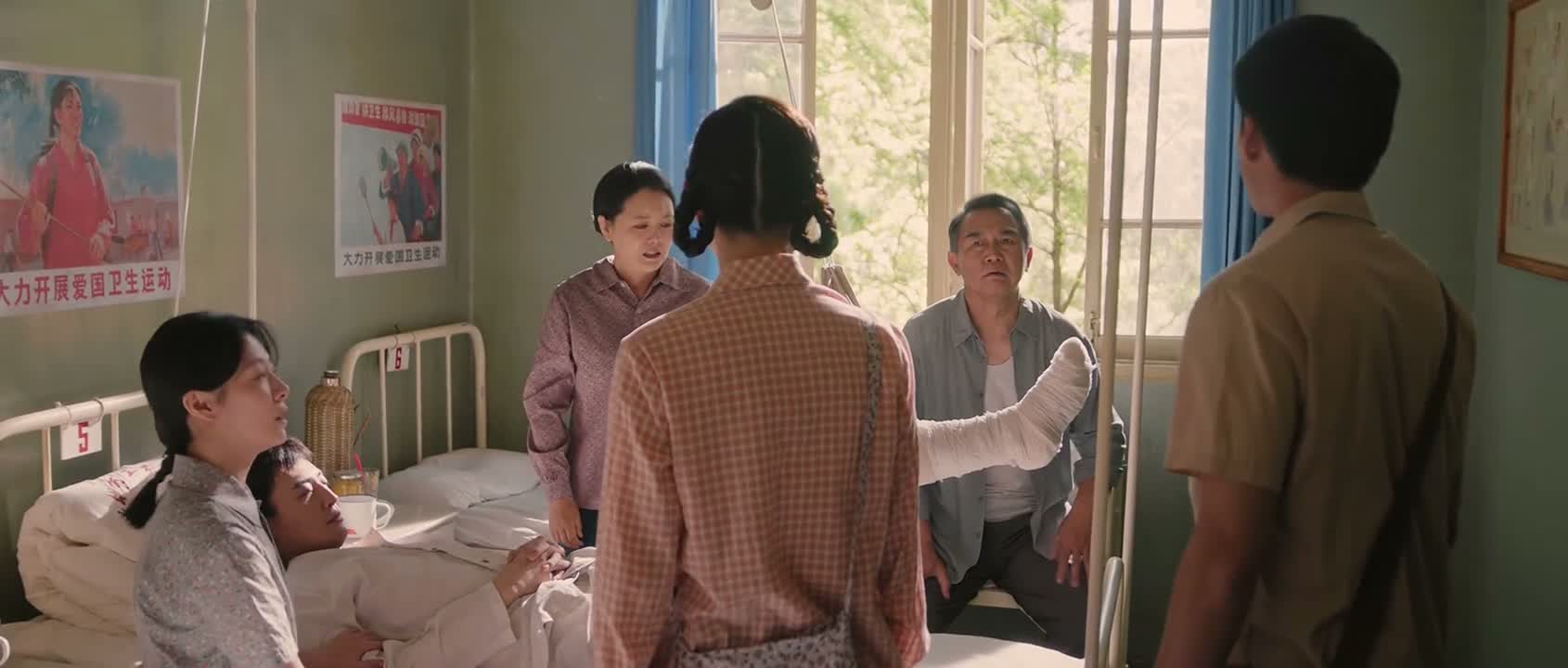
“Mom, Dad. That darn Wang Tengda is to blame. He got your brother to secretly take on private driving jobs at night.”

“You are the one in charge of Tengda.”

“Yong? Why are you here? What's going on?”

“If he were my brother-in-law now, I'd already be in the transport team.”