MC
MandarinClips Cinema Corpus
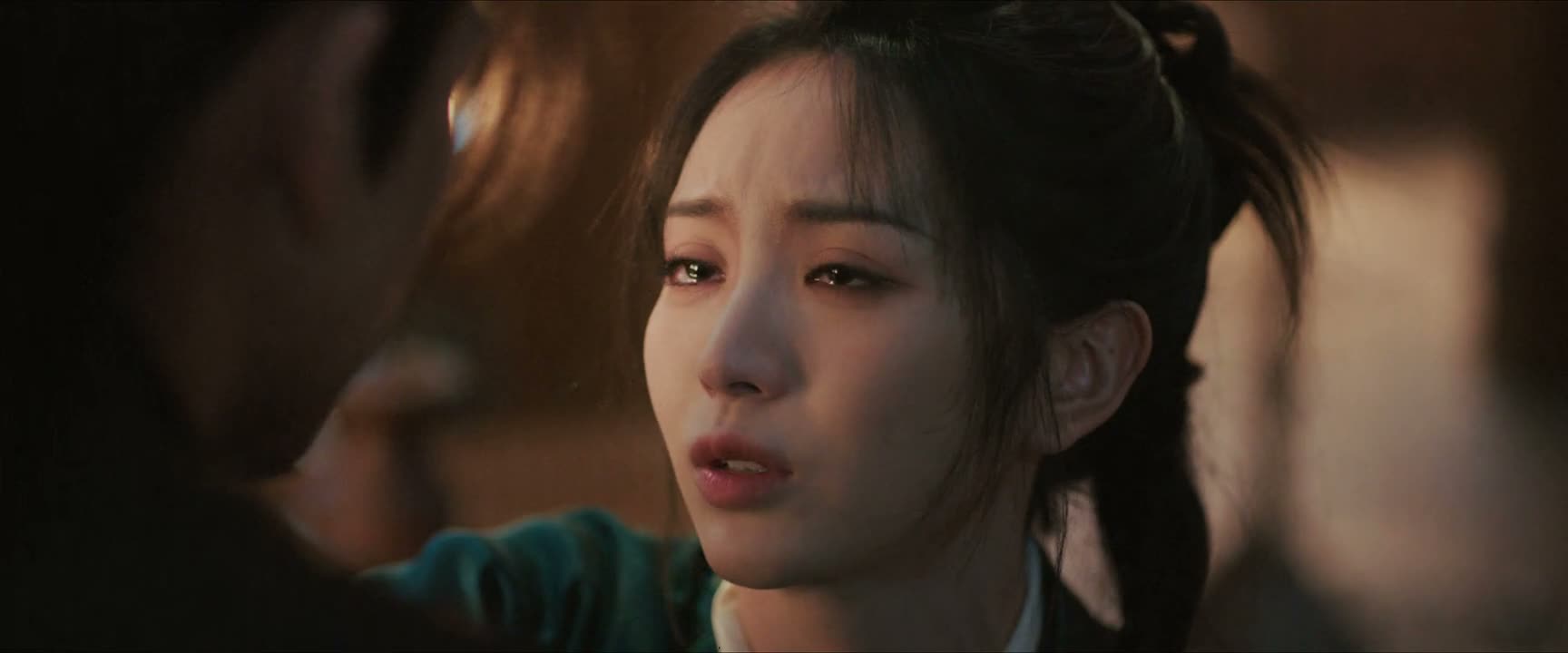
《The Glamorous Night》 S1·E8 (02:49) HSK 5
wǒ dōu méi zěn me guài guò nǐ shì ma

我都没怎么怪过你是吗

“Have I ever complained to you?”

《The Glamorous Night》 S1·E8
TIMECODE: 02:49 · 1080P MASTER AUDIO

THE DIALOGUE REEL

1+1+1 SPOKEN CONTINUITY
[-1] PREVIOUS TURN wǒ hái tì nǐ káng zhe yì bǎi duō wàn de zhài wǒ hái tì nǐ yǎng nǚ ér

“I'm paying your one-million debt. And I'm raising your daughter.”

wǒ dōu méi zěn me guài guò nǐ shì ma CURRENT FOCUS

我 都没怎么怪过你 是吗

“Have I ever complained to you?”

[+1] FOLLOW-UP TURN wǒ duì wǒ zì jǐ shuō wǒ shuō nǐ yě bù xiǎng de ma shì ma

我对我自己说 我说你也不想的嘛 是吗

“I told myself that it wasn't your fault. Right?”

Subtitles synced to millisecond timecode Browse Show Clips →
Scene: Crisis & Conflict
Function: GUILT TRIPPING
Tone: BITTER
Emotion: GRIEVANCE
WHAT THEY REALLY MEAN (PRAGMATIC SUBTEXT)
“Look how saintly I have been while carrying all your burdens—you owe me everything.”
💡 Cultural Insight: Emotional Debts and Sacrifices (付出与恩情)

In Chinese domestic conflicts, reciting one's past forbearance and unpaid sacrifices serves as a powerful moral weapon to guilt the other party.

INTENT TAGS: #guilt_tripping #reproach #emotional_leverage #confrontation
🧩

LEARNING CHUNKS & PARTICLES

2 CHUNKS · 1 PARTICLES
怪过你 SPOKEN CHUNK

blamed you; held a grudge against you

Commonly used in interpersonal or relationship conflicts to reflect on forgiveness or lingering blame.

是吗 SPOKEN CHUNK

is that right?; isn't it?

When tagged at the end of a statement during an argument, it functions as a rhetorical challenge seeking validation.

Modal Particle「吗」 (ma) CHANGE OF STATE

Forms a tag question here to demand concession and self-reflection from the partner.
🏮

VOCABULARY & EXPRESSIONS

2 EXPR · 0 GRAMMAR
CROSS-CINEMA CORPUS BOARD · PARALLEL SCENES

Parallel Spoken Cinema Scenes (语义近邻切片)

EXPLORE BY SEMANTIC SIMILARITY
《The Glamorous Night》 S1·E8 (02:49) · Authentic Cinema Dialogue Corpus