着急 车开得太快了
“He drove too fast.”
THE DIALOGUE REEL
怎么会这样呢
“How did it happen?”
着急 车 开得太快 了
“He drove too fast.”
♫承受着♫
“♫While suffering♫”
Direct spoken expression in this communicative setting.
In Chinese conversational narratives about accidents, people often pinpoint impatience or speeding (着急/开得快) as the immediate regrettable trigger.
LEARNING CHUNKS & PARTICLES
too fast
A common structure (太...了) used to express excess or extreme degree in daily speech.
driving (the car) in a manner that...
Standard descriptive complement structure using '得' to comment on driving performance or speed.
Functions as an intensifier paired with '太' to emphasize an excessive degree.
VOCABULARY & EXPRESSIONS
Parallel Spoken Cinema Scenes (语义近邻切片)

“An accident ahead. Be careful and drive slowly.”

“There's an accident ahead. Be careful and drive slowly.”
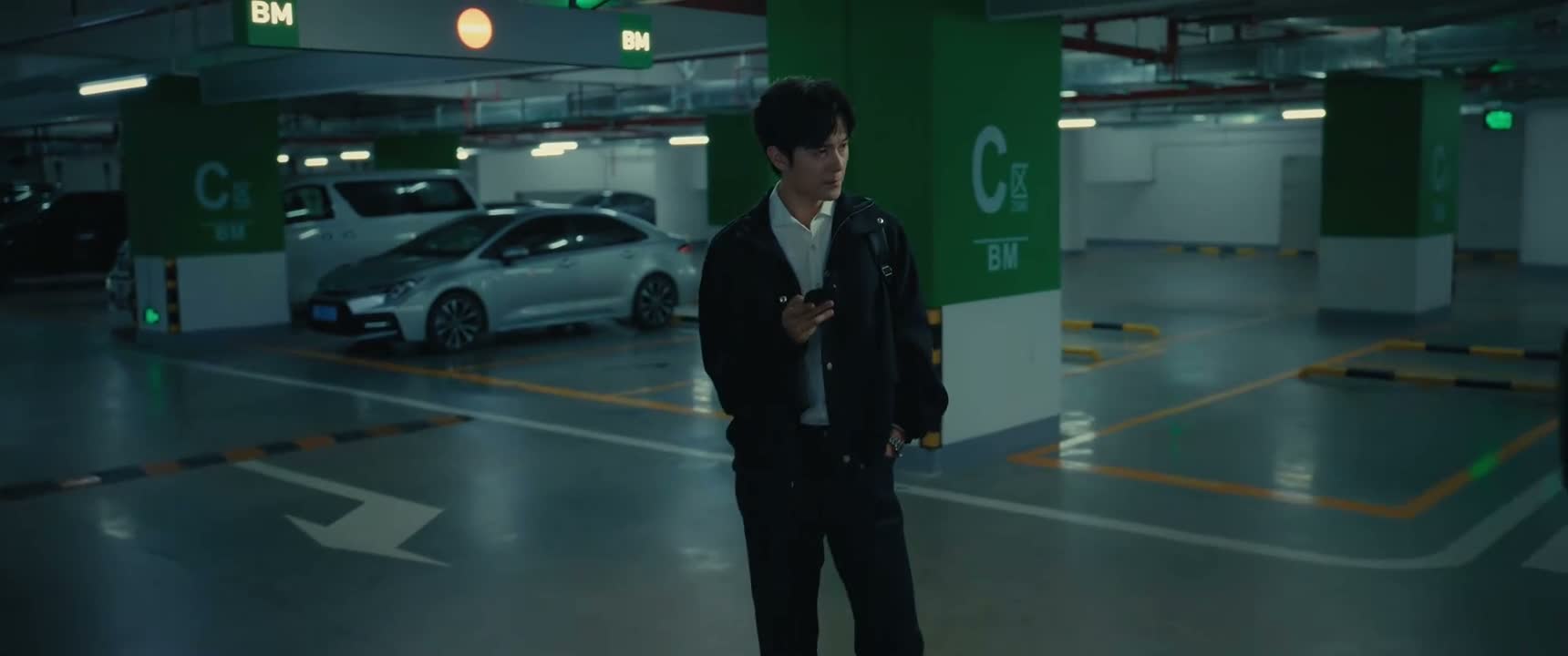
“Drive slowly later.”
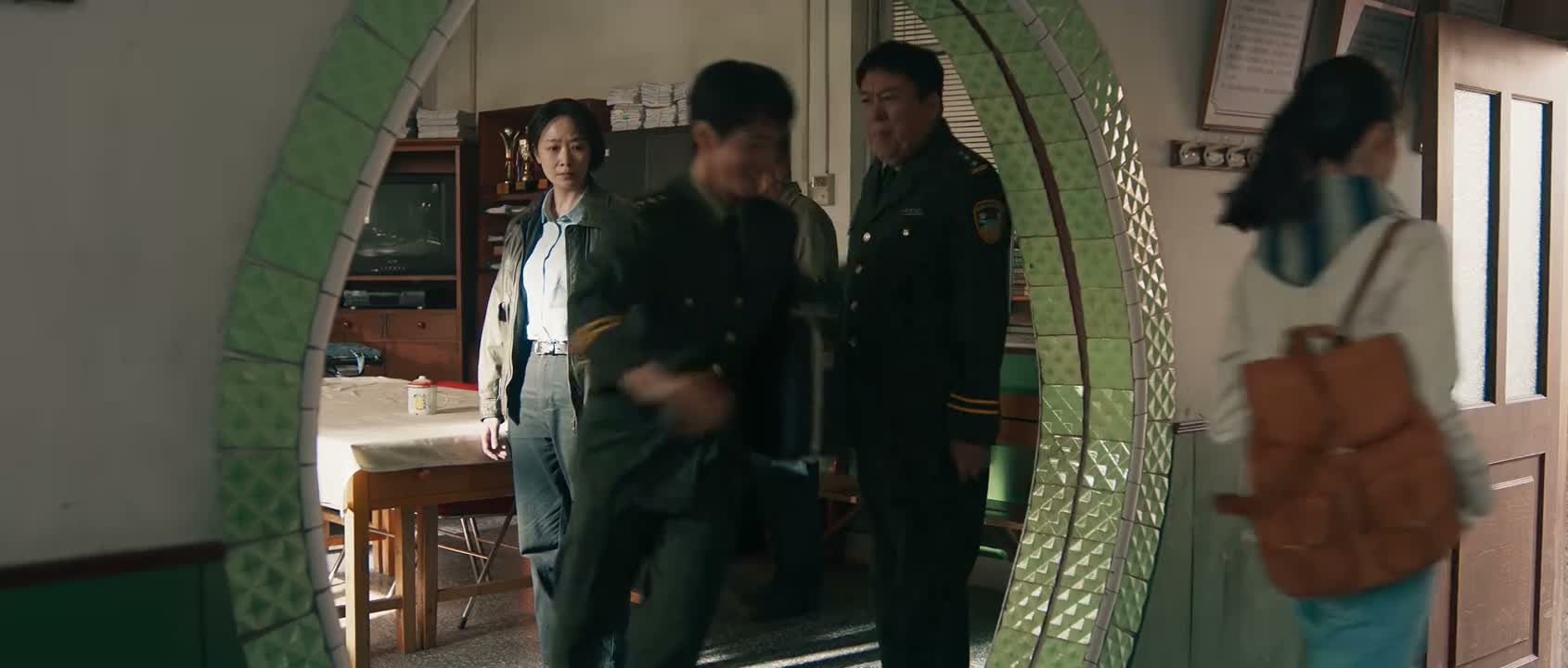
“Drive slowly on the road.”

“Faster, please.”

“Drive faster, please. Okay.”