身为一国之君 却陷民生于水火
“As the ruler of a nation, he plunged his people into suffering.”
THE DIALOGUE REEL
端王一心谋权 未有为国为民之举 算不得贤王
“Prince Duan only seeks power. He has done nothing for the country or its people. He cannot be considered worthy.”
身为一国之君 却 陷民生于水火
“As the ruler of a nation, he plunged his people into suffering.”
归根结底
“When all is said and done,”
Direct spoken expression in this communicative setting.
Traditional Chinese political thought holds that a ruler's legitimacy depends on ensuring the welfare of the people; causing them hardship violates the Mandate of Heaven.
LEARNING CHUNKS & PARTICLES
ruler of a nation; the sovereign
Used in formal or historical contexts to emphasize the ultimate authority and profound moral responsibility of a ruler.
to plunge into deep misery and suffering
Derived from the idiom '水深火热', this collocation highlights catastrophic suffering endured by ordinary people due to mismanagement or war.
VOCABULARY & EXPRESSIONS
Parallel Spoken Cinema Scenes (语义近邻切片)

“and in a fit of anger, His Majesty consigned her to the Cold Palace.”

“Empress of the Nation?”

“And how do I answer to the people?”
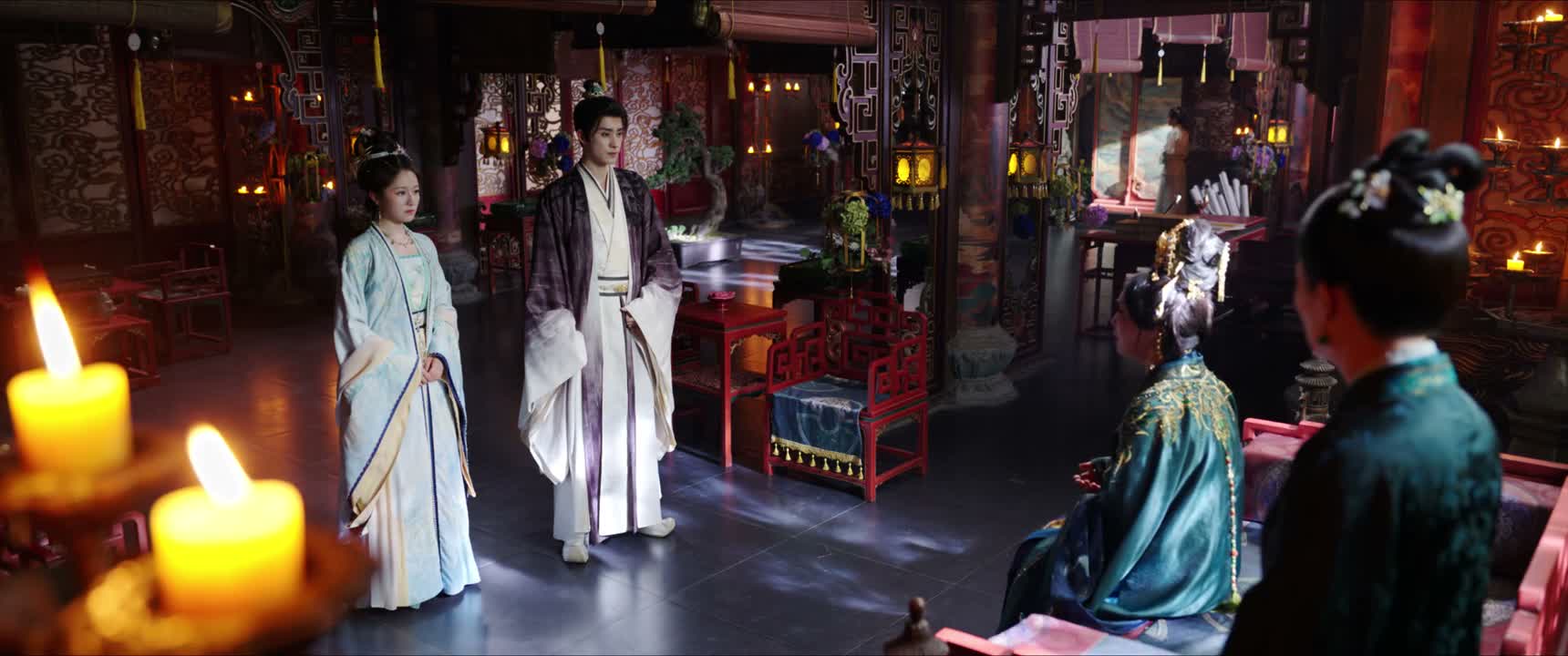
“but also the Empress Dowager of our country.”

“there's something I don't understand.”

“Your duty is merely to enforce edicts.”