明天下班了你有事吗
“are you free after work tomorrow?”
THE DIALOGUE REEL
费霓
“Fei Ni,”
明天 下班 了 你有事吗
“are you free after work tomorrow?”
那咱们再去看个电影吧
“If so, let's catch another movie.”
“Are you free to go out with me tomorrow?”
In Chinese etiquette, asking if someone has plans before revealing the invitation gives the other party a smooth, face-saving way to decline without causing embarrassment.
LEARNING CHUNKS & PARTICLES
after getting off work
Common time marker used to refer to free evening hours on a workday.
are you busy? / do you have plans?
Standard polite precursor to extending an invitation or asking for a favor.
Standard question particle turning the statement into a simple yes-no inquiry.
VOCABULARY & EXPRESSIONS
Parallel Spoken Cinema Scenes (语义近邻切片)
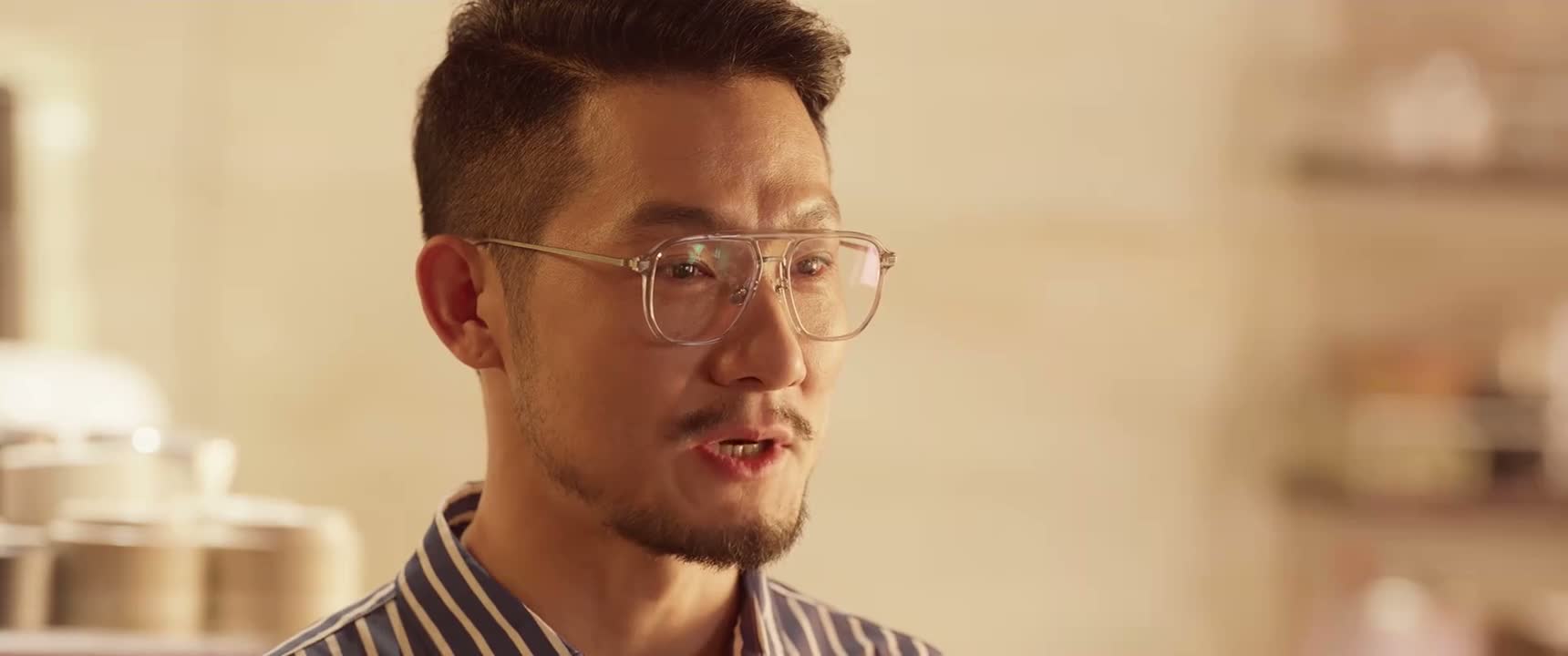
“Alright. I'll pick you up after work tomorrow.”

“Call back tomorrow during office hours.”

“You worked the whole day. Why did you come?”
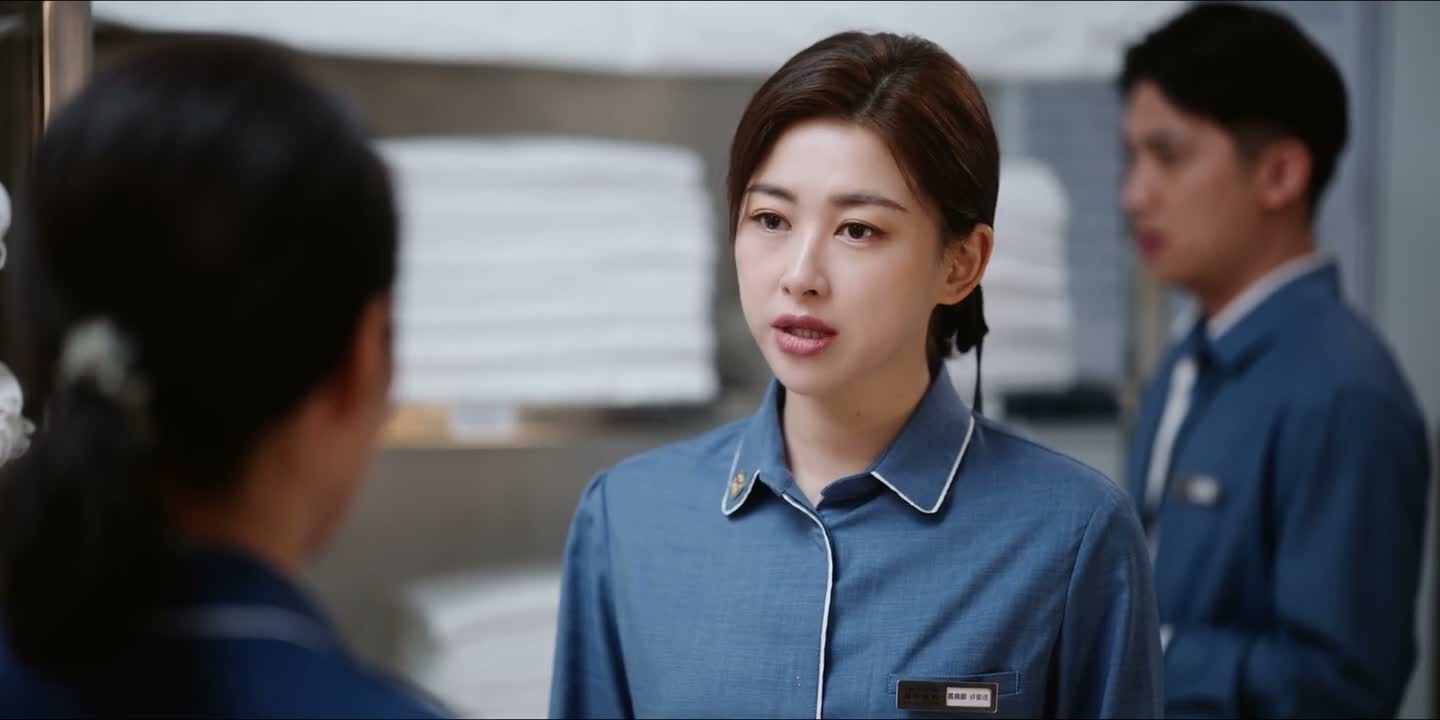
“I'll finish the shift which I'm supposed to finish.”

“Something brings you here today, right? You've heard of the argument”

“Do you have things to do tomorrow?”