MC
MandarinClips Cinema Corpus
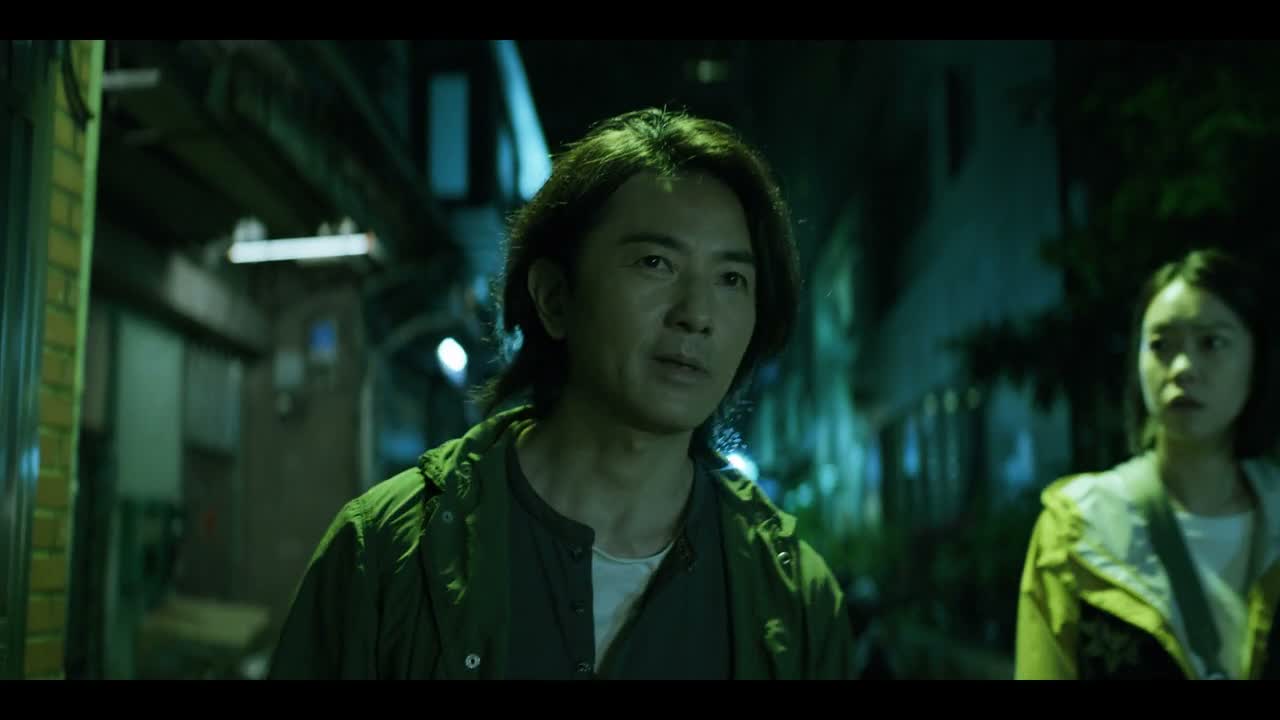
《The First Jasmine》 S1·E19 (19:10) HSK 1
shì bú shì kàn dào diàn xià de shī shǒu le

是不是看到殿下的尸首了

“Did you see his remains yesterday?”

《The First Jasmine》 S1·E19
TIMECODE: 19:10 · 1080P MASTER AUDIO

THE DIALOGUE REEL

1+1+1 SPOKEN CONTINUITY
[-1] PREVIOUS TURN nǐ zuó rì

你昨日

“Did you see his remains yesterday?”

shì bú shì kàn dào diàn xià de shī shǒu le CURRENT FOCUS

是不是 看到殿下的尸首 了

“Did you see his remains yesterday?”

[+1] FOLLOW-UP TURN cì hūn yì zhǐ xià lái de nà wǎn

赐婚懿旨下来的那晚

“The night when the edict of marriage was issued,”

Subtitles synced to millisecond timecode Browse Show Clips →
Scene: Crisis & Conflict
Function: DEMANDING CLARIFICATION
Tone: DIRECT
Emotion: ANXIETY
WHAT THEY REALLY MEAN (PRAGMATIC SUBTEXT)

Direct spoken expression in this communicative setting.

💡 Cultural Insight: Honorific Royal Titles

The title '殿下' (His/Her Highness) denotes imperial princes, showing deep societal stratification even in death.

INTENT TAGS: #inquiry #confrontation #urgency #verification
🧩

LEARNING CHUNKS & PARTICLES

2 CHUNKS · 1 PARTICLES
是不是 SPOKEN CHUNK

is it or is it not; did you or didn't you

A frequent pattern placed at the start of a sentence to seek urgent yes/no confirmation.

尸首 SPOKEN CHUNK

corpse; dead body

A slightly archaic or literary word for body/corpse, common in costume dramas and historical fiction.

Modal Particle「了」 (le) CHANGE OF STATE

Marks the completion of the action of seeing, emphasizing the current resulting state.
🏮

VOCABULARY & EXPRESSIONS

2 EXPR · 0 GRAMMAR
CROSS-CINEMA CORPUS BOARD · PARALLEL SCENES

Parallel Spoken Cinema Scenes (语义近邻切片)

EXPLORE BY SEMANTIC SIMILARITY
《The First Jasmine》 S1·E19 (19:10) · Authentic Cinema Dialogue Corpus