MC
MandarinClips Cinema Corpus
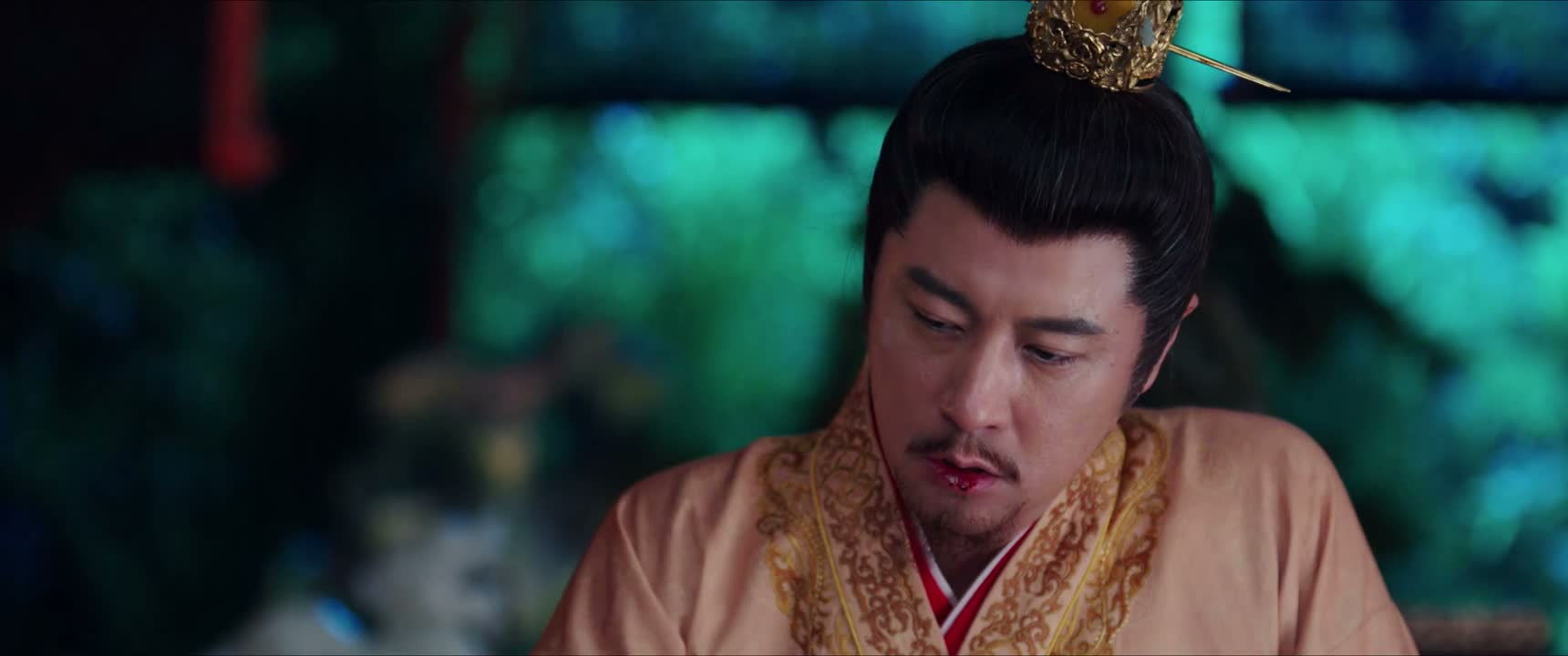
《The First Jasmine》 S1·E19 (16:32) HSK 5
shī hái miàn mù tài mó hú le

尸骸面目太模糊了

“The remains' features were too damaged to recognize.”

《The First Jasmine》 S1·E19
TIMECODE: 16:32 · 1080P MASTER AUDIO

THE DIALOGUE REEL

1+1+1 SPOKEN CONTINUITY
[-1] PREVIOUS TURN bú shì yǐ jīng fā xiàn lí wáng de shī hái le ma

“But we already found Prince Li's remains in the ruins, right?”

shī hái miàn mù tài mó hú le CURRENT FOCUS

尸骸 面目太模糊了

“The remains' features were too damaged to recognize.”

[+1] FOLLOW-UP TURN zhōng fēi tiě zhèng

终非铁证

“Not solid proof.”

Subtitles synced to millisecond timecode Browse Show Clips →
Scene: Legal & Police
Function: RAISING OBJECTION
Tone: OBJECTIVE AND ANALYTICAL
Emotion: SKEPTICISM
WHAT THEY REALLY MEAN (PRAGMATIC SUBTEXT)
“We cannot jump to conclusions based on an unrecognizable body.”
💡 Cultural Insight: Rigorous Evidence in Traditional Forensics

Traditional Chinese inquest culture placed heavy emphasis on undeniable proof ('ironclad evidence') before confirming aristocratic identities to prevent fraudulent deaths.

INTENT TAGS: #raising_doubt #cautioning #evaluating_evidence #refuting
🧩

LEARNING CHUNKS & PARTICLES

2 CHUNKS · 1 PARTICLES
面目模糊 SPOKEN CHUNK

unrecognizable facial features; blurred appearance

Often used literally to describe damaged remains or metaphorically to describe vague, indistinct concepts.

尸骸 SPOKEN CHUNK

remains; corpse

A formal and literary term specifically referring to skeletal or deceased human remains.

Modal Particle「了」 (le) CHANGE OF STATE

Signifies an excessive degree or completed change of state regarding the deterioration of the face.
🏮

VOCABULARY & EXPRESSIONS

1 EXPR · 1 GRAMMAR
GRAMMAR BLUEPRINTS:
CROSS-CINEMA CORPUS BOARD · PARALLEL SCENES

Parallel Spoken Cinema Scenes (语义近邻切片)

EXPLORE BY SEMANTIC SIMILARITY
《The First Jasmine》 S1·E19 (16:32) · Authentic Cinema Dialogue Corpus