MC
MandarinClips Cinema Corpus
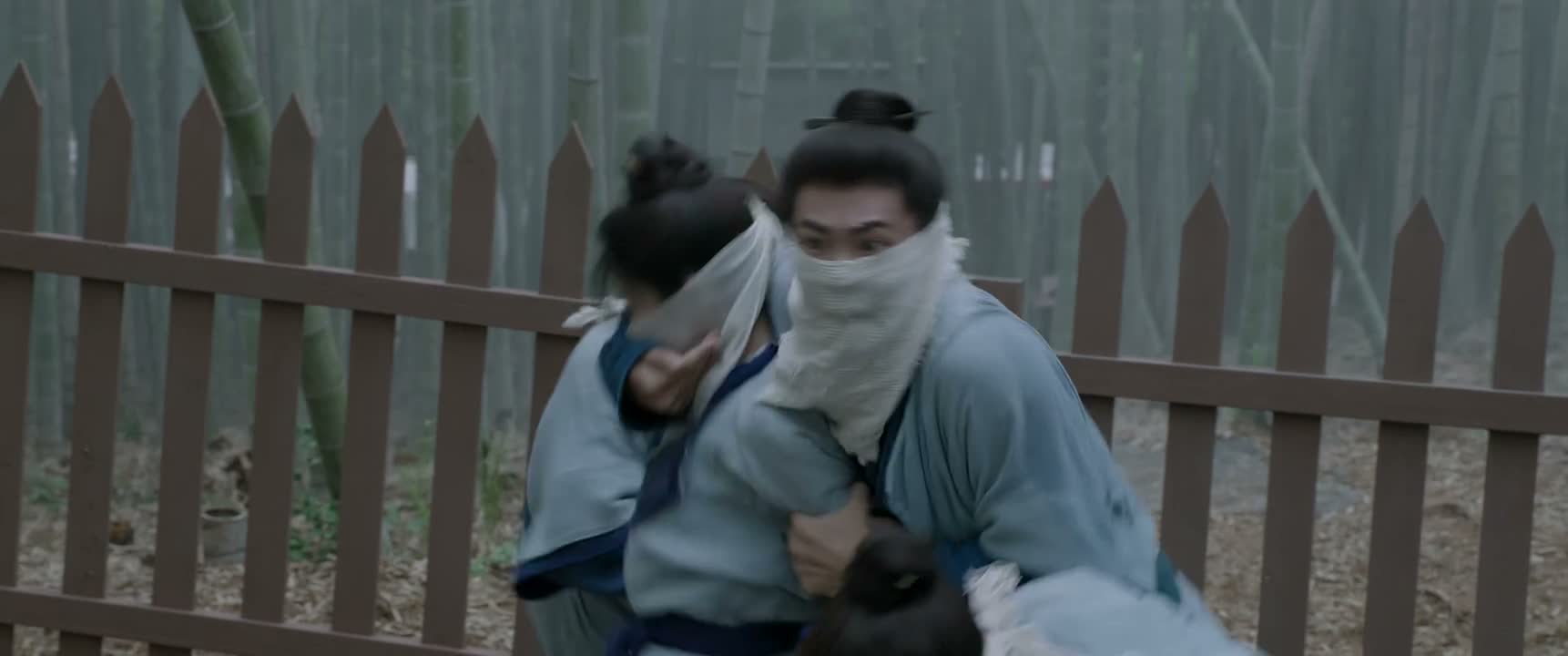
《The First Jasmine》 S1·E19 (05:20) HSK 6
zǒu kāi jìng gǎn shàn chuǎng běn guān jiā dǐ fàng kāi wǒ

走开 竟敢擅闯本官家邸 放开我

“Go away. How dare you trespass in here? Let go of me! Which office do you belong to?”

《The First Jasmine》 S1·E19
TIMECODE: 05:20 · 1080P MASTER AUDIO

THE DIALOGUE REEL

1+1+1 SPOKEN CONTINUITY
[-1] PREVIOUS TURN zhè biān kuài

这边 快

“This way! Hurry!”

zǒu kāi jìng gǎn shàn chuǎng běn guān jiā dǐ fàng kāi wǒ CURRENT FOCUS

走开 竟敢擅闯 本官家邸 放开我

“Go away. How dare you trespass in here? Let go of me! Which office do you belong to?”

[+1] FOLLOW-UP TURN nǐ men shì nǎ ge fǔ shǔ de

你们是哪个府署的

“Let go of me! Which office do you belong to?”

Subtitles synced to millisecond timecode Browse Show Clips →
Scene: Crisis & Conflict
Function: PROTESTING AND COMMANDING
Tone: FURIOUS
Emotion: ANGER
WHAT THEY REALLY MEAN (PRAGMATIC SUBTEXT)

Direct spoken expression in this communicative setting.

💡 Cultural Insight: Official Privilege and Inviolability (官威)

In traditional dynastic China, government officials enjoyed immense social and legal privileges; unauthorized entry into an official's personal compound was treated as an attack on state authority itself.

INTENT TAGS: #indignation #asserting_status #protest #resistance
🧩

LEARNING CHUNKS & PARTICLES

3 CHUNKS · 0 PARTICLES
竟敢 SPOKEN CHUNK

how dare you; to have the audacity to

Expresses outrage at someone who has violated authority, boundaries, or decorum.

擅闯 SPOKEN CHUNK

trespass; intrude unlawfully

A formal legal term used when entering a private or restricted space without authorization.

本官 SPOKEN CHUNK

this official (referring to oneself)

Historical first-person pronoun used by imperial magistrates or officials to assert authority.
🏮

VOCABULARY & EXPRESSIONS

3 EXPR · 0 GRAMMAR
CROSS-CINEMA CORPUS BOARD · PARALLEL SCENES

Parallel Spoken Cinema Scenes (语义近邻切片)

EXPLORE BY SEMANTIC SIMILARITY
《The First Jasmine》 S1·E19 (05:20) · Authentic Cinema Dialogue Corpus