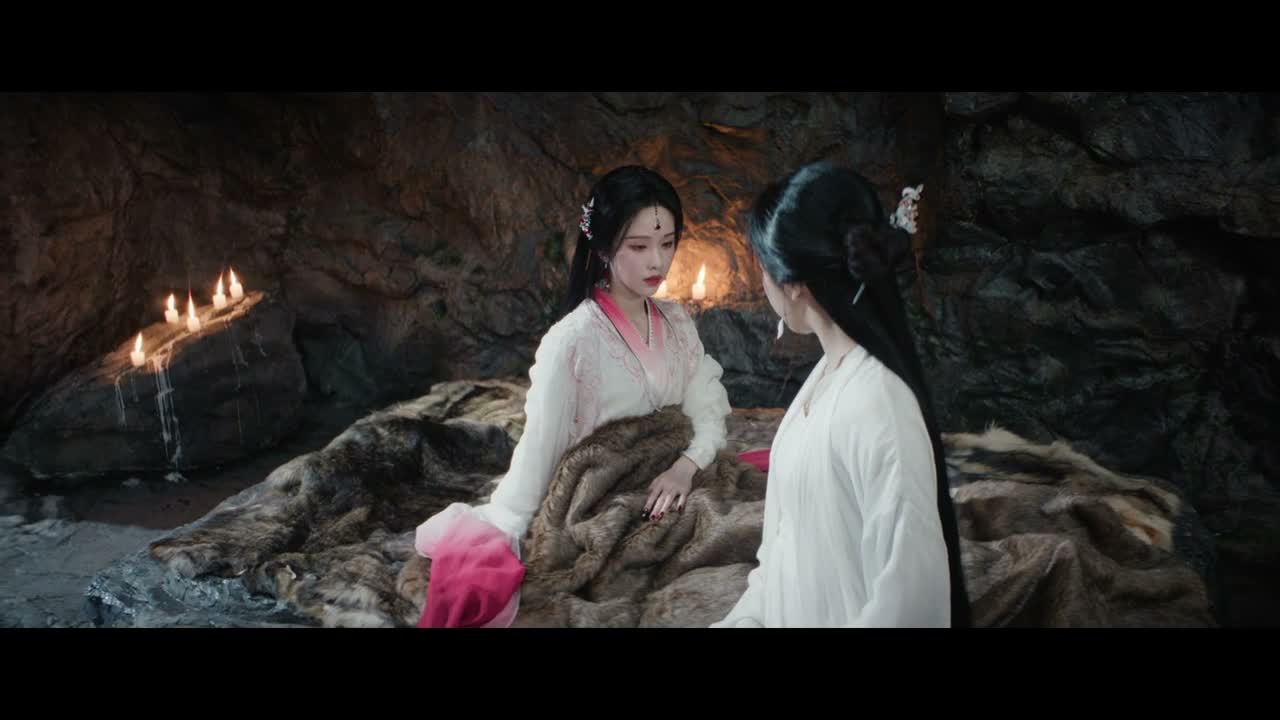
《Wishing Upon the Shooting Stars》 S1·E9 (03:50)
HSK 1
nǐ zuò è mèng le
你做噩梦了
“Did you have a nightmare?”
《Wishing Upon the Shooting Stars》
S1·E9
TIMECODE: 03:50
·
1080P MASTER AUDIO
THE DIALOGUE REEL
nǐ zuò è mèng le
CURRENT FOCUS
你 做噩梦了
“Did you have a nightmare?”
Subtitles synced to millisecond timecode
Browse Show Clips →
Scene:
Daily Life
Function:
COMFORTING
Tone:
GENTLE
Emotion:
CONCERN
WHAT THEY REALLY MEAN (PRAGMATIC SUBTEXT)
Direct spoken expression in this communicative setting.
💡 Cultural Insight: Emotional Soothing in Close Relationships
Stating the obvious physical or mental state (such as having a nightmare) serves as a grounding technique to bring an agitated loved one back to reality.
INTENT TAGS:
#comforting
#reassurance
#clarification
#soothing
🧩
1 CHUNKS · 1 PARTICLES
LEARNING CHUNKS & PARTICLES
做噩梦
SPOKEN CHUNK
to have a nightmare
The standard spoken collocation for experiencing bad dreams.
Modal Particle「了」 (le)
CHANGE OF STATE
Marks a newly realized situation or change of state, gently pointing out what just happened.
🏮
1 EXPR · 2 GRAMMAR
VOCABULARY & EXPRESSIONS
COLLOQUIAL EXPRESSIONS:
CROSS-CINEMA CORPUS BOARD · PARALLEL SCENES
EXPLORE BY SEMANTIC SIMILARITY
Parallel Spoken Cinema Scenes (语义近邻切片)
《Wishing Upon the Shooting Stars》 S1·E9 (03:50) · Authentic Cinema Dialogue Corpus