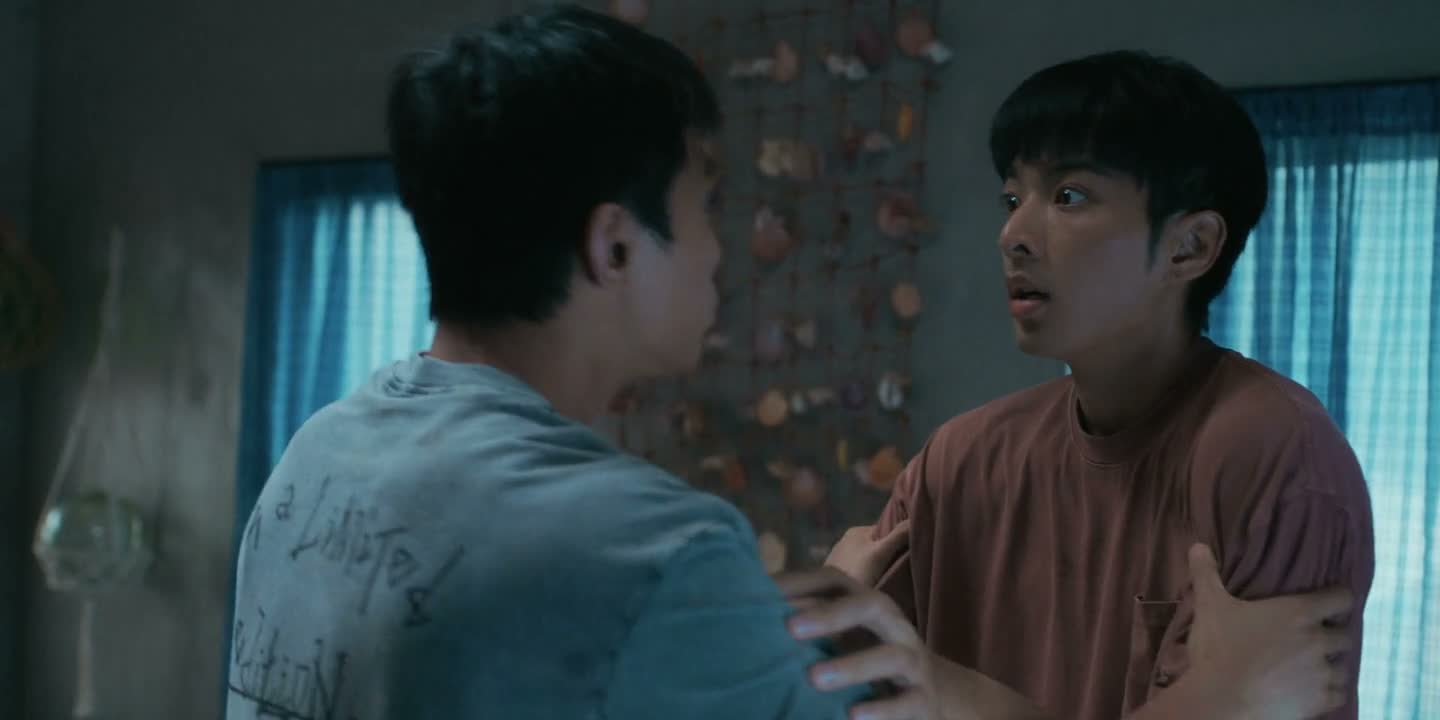
《Veil of Shadows》 S1·E29 (36:03)
HSK 1
zěn me le ? zuò è mèng le ?
怎么了? 做噩梦了?
“What's wrong? Had a nightmare?”
《Veil of Shadows》
S1·E29
TIMECODE: 36:03
·
1080P MASTER AUDIO
THE DIALOGUE REEL
[-1] PREVIOUS TURN
kě bù néng zài shì cóng qián nà ge dǎn xiǎo guǐ lóu
“You can't be that scared little boy anymore.”
zěn me le ? zuò è mèng le ?
CURRENT FOCUS
怎么了 ? 做噩梦了 ?
“What's wrong? Had a nightmare?”
[+1] FOLLOW-UP TURN
bù
不
“No.”
Subtitles synced to millisecond timecode
Browse Show Clips →
Scene:
Family & Home
Function:
COMFORTING AND INQUIRING
Tone:
GENTLE
Emotion:
CONCERN
WHAT THEY REALLY MEAN (PRAGMATIC SUBTEXT)
Direct spoken expression in this communicative setting.
💡 Cultural Insight: Familial Concern (亲情关怀)
Double questioning ('怎么了?做噩梦了?') is a natural parental or intimate phrasing in Chinese to soothe someone awakening in distress.
INTENT TAGS:
#inquiry
#comforting
#concern
#care
🧩
2 CHUNKS · 1 PARTICLES
LEARNING CHUNKS & PARTICLES
做噩梦
SPOKEN CHUNK
to have a nightmare
The standard spoken collocation for having bad dreams.
怎么了
SPOKEN CHUNK
what's wrong? / what happened?
The most versatile and common phrase to check on someone who looks troubled, upset, or surprised.
Modal Particle「了」 (le)
CHANGE OF STATE
Marks a change of state and indicates completion, softening the question into an empathetic inquiry.
🏮
2 EXPR · 0 GRAMMAR
VOCABULARY & EXPRESSIONS
COLLOQUIAL EXPRESSIONS:
CROSS-CINEMA CORPUS BOARD · PARALLEL SCENES
EXPLORE BY SEMANTIC SIMILARITY
Parallel Spoken Cinema Scenes (语义近邻切片)
《Veil of Shadows》 S1·E29 (36:03) · Authentic Cinema Dialogue Corpus