《Vanished Name》 S1·E10 (13:52)
HSK 3
wǒ men qù kàn chū zhōng lǎo shī qù le kàn nǎ ge lǎo shī a
我们去看初中老师去了 看哪个老师啊
“We went to see our junior high teacher. Which teacher?”
《Vanished Name》
S1·E10
TIMECODE: 13:52
·
1080P MASTER AUDIO
THE DIALOGUE REEL
[-1] PREVIOUS TURN
bú shì shén me xiǎo zi
不是 什么小子
“No, what guy?”
wǒ men qù kàn chū zhōng lǎo shī qù le kàn nǎ ge lǎo shī a
CURRENT FOCUS
我们去看初中老师去了 看 哪个 老师啊
“We went to see our junior high teacher. Which teacher?”
[+1] FOLLOW-UP TURN
wǒ xiàn zài jiù gěi xué xiào dǎ diàn huà nǐ yào gǎn sā huǎng wǒ dǎ duàn nǐ de tuǐ
“I'll call the school now. If you lie, I'll break your legs.”
Subtitles synced to millisecond timecode
Browse Show Clips →
Scene:
Family & Home
Function:
MAKING AN EXCUSE
Tone:
EVASIVE
Emotion:
ANXIETY
WHAT THEY REALLY MEAN (PRAGMATIC SUBTEXT)
“I'm lying to cover my tracks so you don't find out who I was really with.”
💡 Cultural Insight: Respecting Teachers as Moral Alibis
In Confucian culture, visiting former teachers is seen as exceptionally filial and virtuous, making it a classic go-to lie for Chinese youths evading parental scrutiny.
INTENT TAGS:
#excuse
#alibi
#evasion
#deflection
🧩
2 CHUNKS · 1 PARTICLES
LEARNING CHUNKS & PARTICLES
看老师
SPOKEN CHUNK
to visit a teacher
A respectful, socially praised action often invoked by students in China as a wholesome excuse.
初中老师
SPOKEN CHUNK
middle school teacher
Used to specify teachers from junior high school (grades 7-9 in China).
Modal Particle「啊」 (a)
CHANGE OF STATE
Softens the interrogative query or marks a rhetorical repetition under pressure.
🏮
1 EXPR · 0 GRAMMAR
VOCABULARY & EXPRESSIONS
COLLOQUIAL EXPRESSIONS:
CROSS-CINEMA CORPUS BOARD · PARALLEL SCENES
EXPLORE BY SEMANTIC SIMILARITY
Parallel Spoken Cinema Scenes (语义近邻切片)
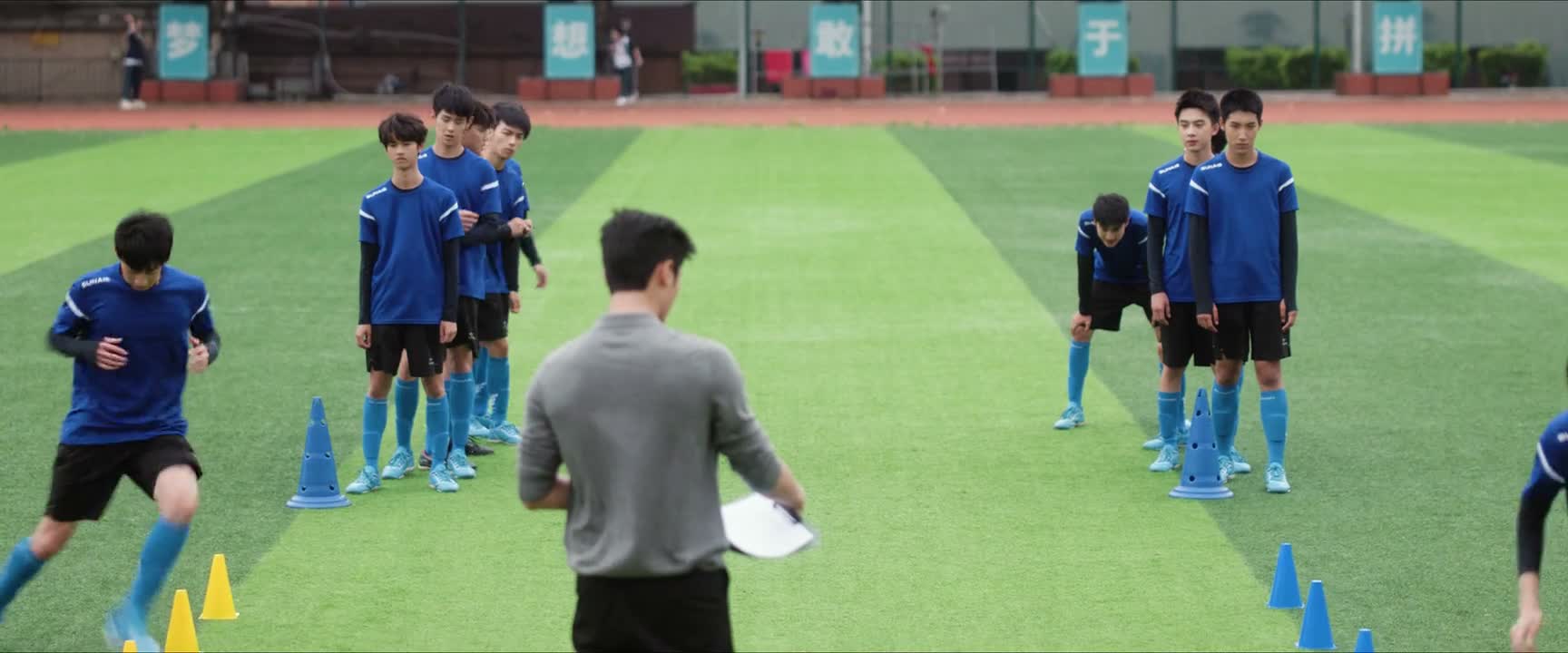
《Vanished Name》 S1·E10 (13:52) · Authentic Cinema Dialogue Corpus